Powering Safer, Smarter Roads
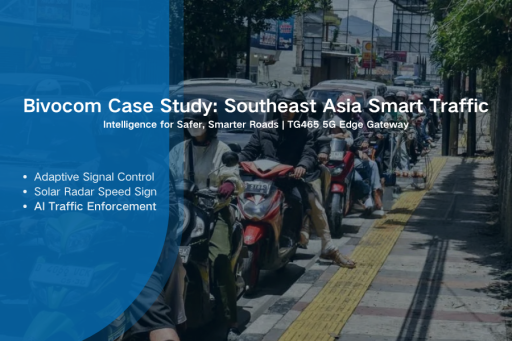
Southeast Asia’s roads tell a story of rapid urbanization and deep-rooted complexity. From the 32-kilometer exodus jams during Indonesia’s Eid to the motorcycle-dominated streets where two-wheelers account for over 80% of traffic in Vietnam, Thailand, and Indonesia. The region faces a distinctive set of mobility pressures: fragmented infrastructure, high accident rates, and a tropical environment that strains conventional equipment. These realities call not for piecemeal upgrades, but for infrastructure built to match the region’s pace—and its unpredictability. Tailored for this landscape, the Bivocom TG465 5G Edge Gateway delivers AI-powered edge intelligence to support southeast asia smart traffic development, fixing critical gaps where generic solutions fail.
Southeast Asia Traffic Challenge
Southeast Asia’s traffic ecosystem is defined not by isolated problems, but by the convergence of structural, environmental, and operational pressures.
- Harsh environment & weak infrastructure: Temperatures above 40℃, high humidity and monsoons damage common hardware; 30% of suburban sites run off-grid without stable power; incompatible protocols form isolated data silos between traffic lights, radar and cameras.
- Low efficiency & heavy on-site costs: Over-reliance on cloud computing causes critical latency for signal control and law enforcement; unencrypted data risks compliance issues; nearly 60% of operational spending comes from frequent on-site maintenance without remote upgrade support.
- Special traffic structure & dynamic risks: Fixed traffic systems cannot adapt to sudden festival traffic peaks, causing severe congestion and economic losses; traditional detection fails to identify small motorcycles, keeping road fatality rates high for vulnerable road users
Smart Traffic Solution: TG465 in Action
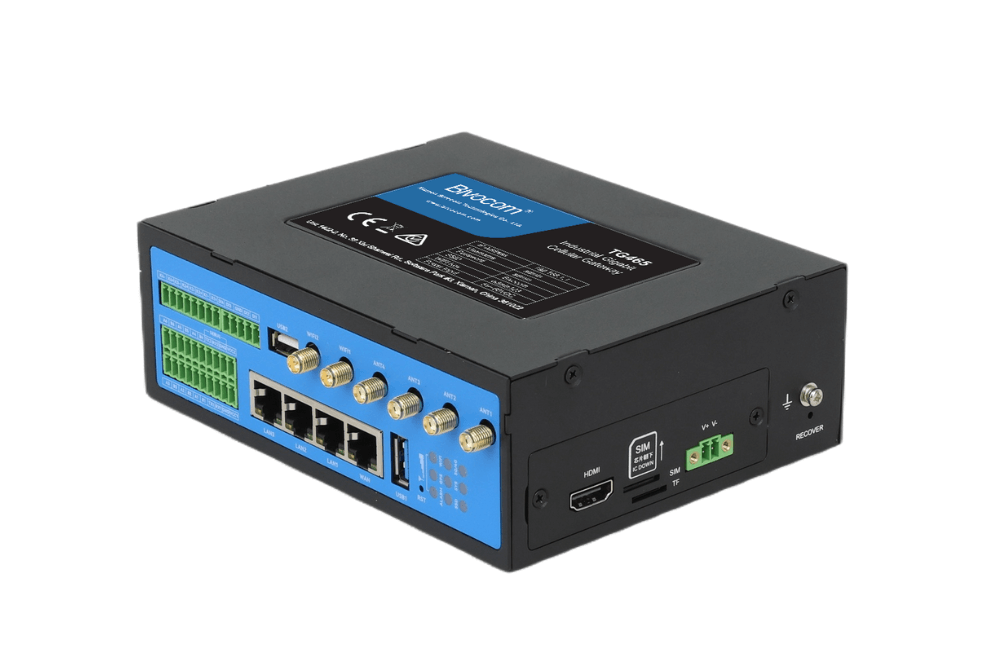
The Bivocom TG465 Programmable 5G Gateway was built for this reality. It is not simply a router or a protocol converter. It is an intelligent edge platform that combines industrial-grade hardware, edge AI processing, and open programmability into a single device, forming the core hardware of practical southeast asia smart traffic applications.
Adaptive Traffic Signal Control
The TG465 installs inside the roadside signal cabinet (edge control layer). It connects to the Traffic Signal Controller (TSC) via DI/DO terminals, RJ45, or serial ports, and to pole-mounted cameras and traffic lights (field sensing/actuation layer).
The gateway ingests real-time data on vehicle and motorcycle volumes, queue lengths, and pedestrian presence. Its on-board NPU analyzes traffic locally and adjusts signal timing—extending green for heavy flows, coordinating green waves, or switching to demand-responsive mode. Uplink: pre-processed traffic data, violation videos, and device status go to the cloud. Downlink: cloud-optimized timing plans and enforcement commands are dispatched to the TSC and cameras for real-time control.
Outcomes & Advantages
- Dynamic signal timing adapts to real‑time traffic flow without cloud dependency
- Remote cloud control enables centralised timing plan updates and policy changes
- Immediate fault alerts for signal lamps or controllers reduce on‑site maintenance
- Works with existing TSCs using standard protocols – no controller replacement needed
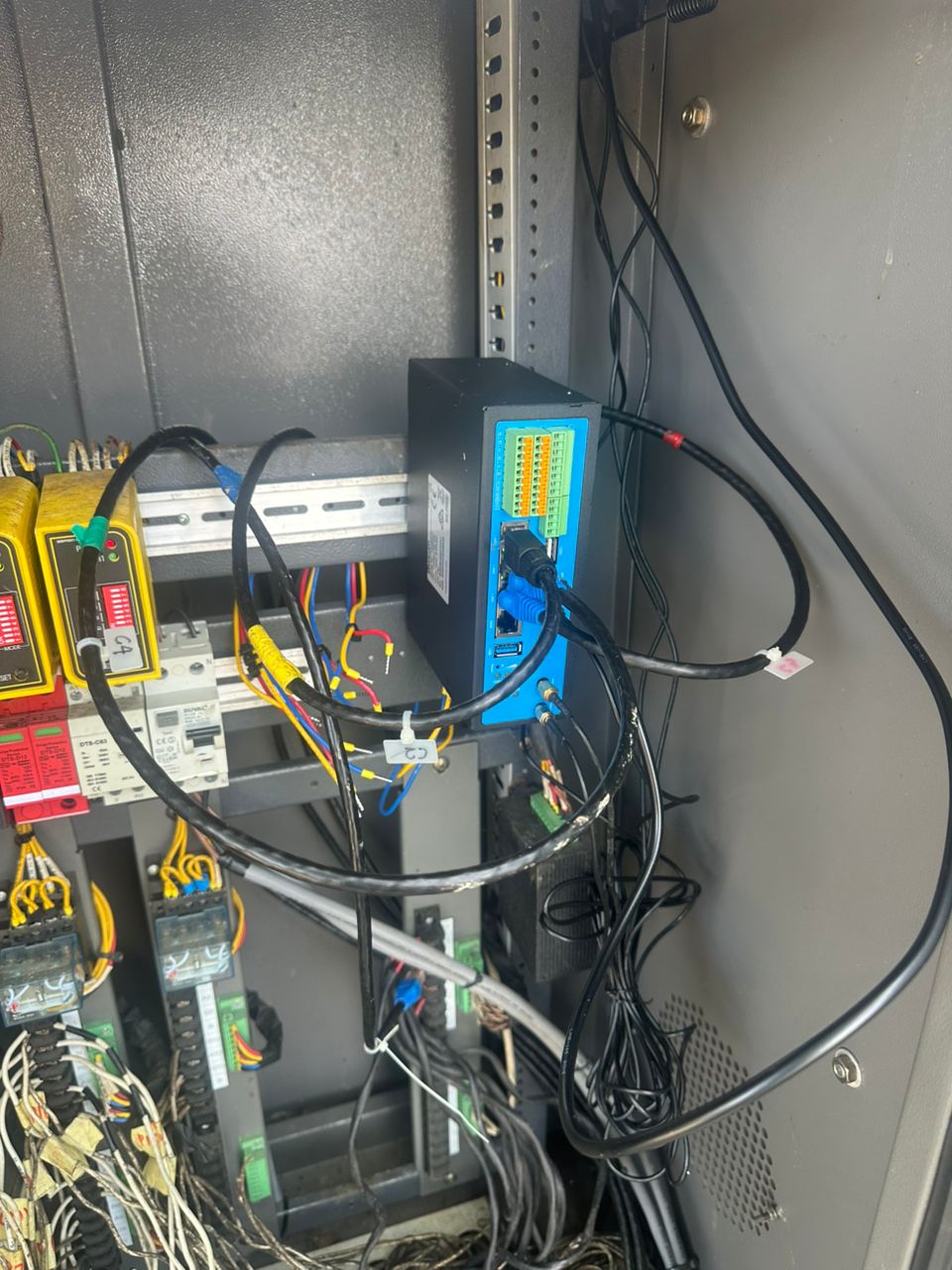
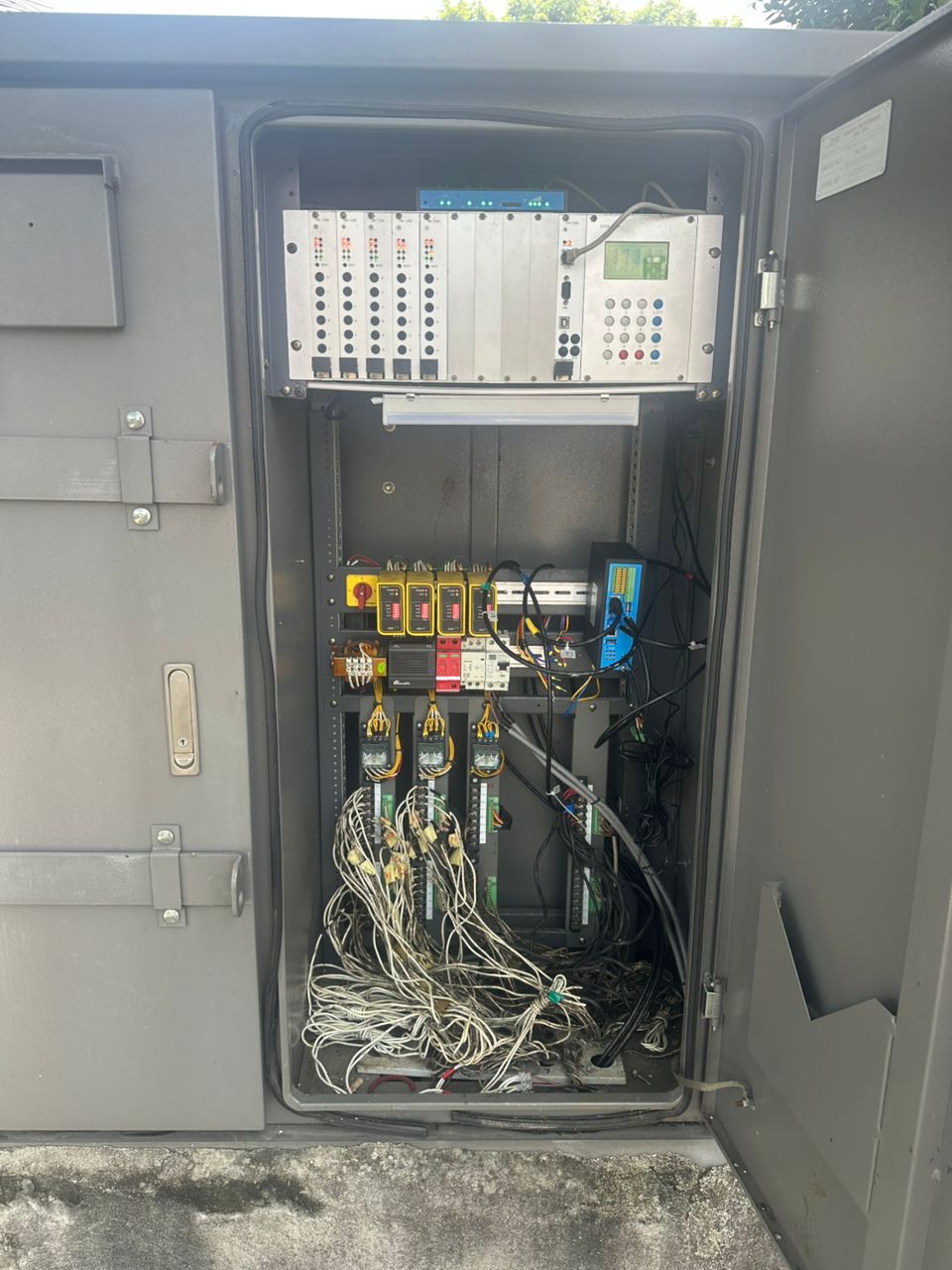

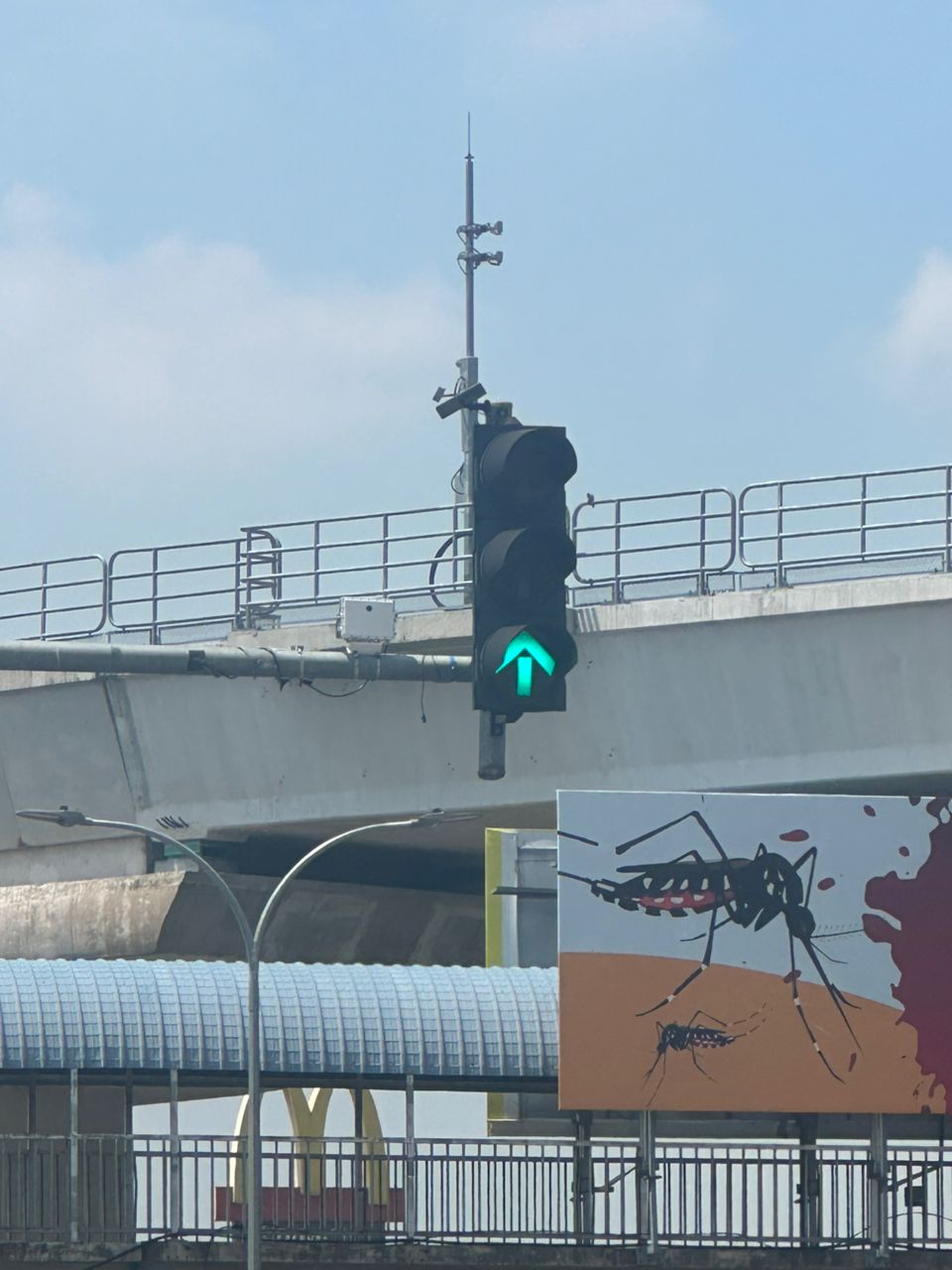
Solar-Powered Radar Speed Sign
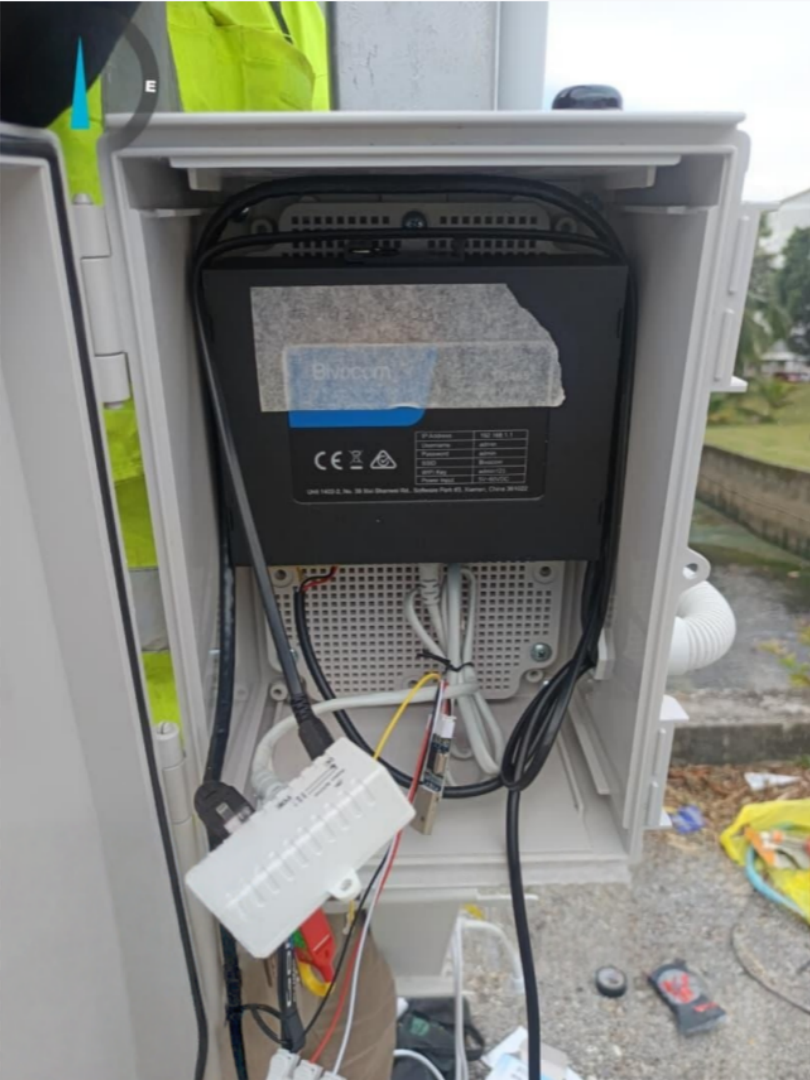
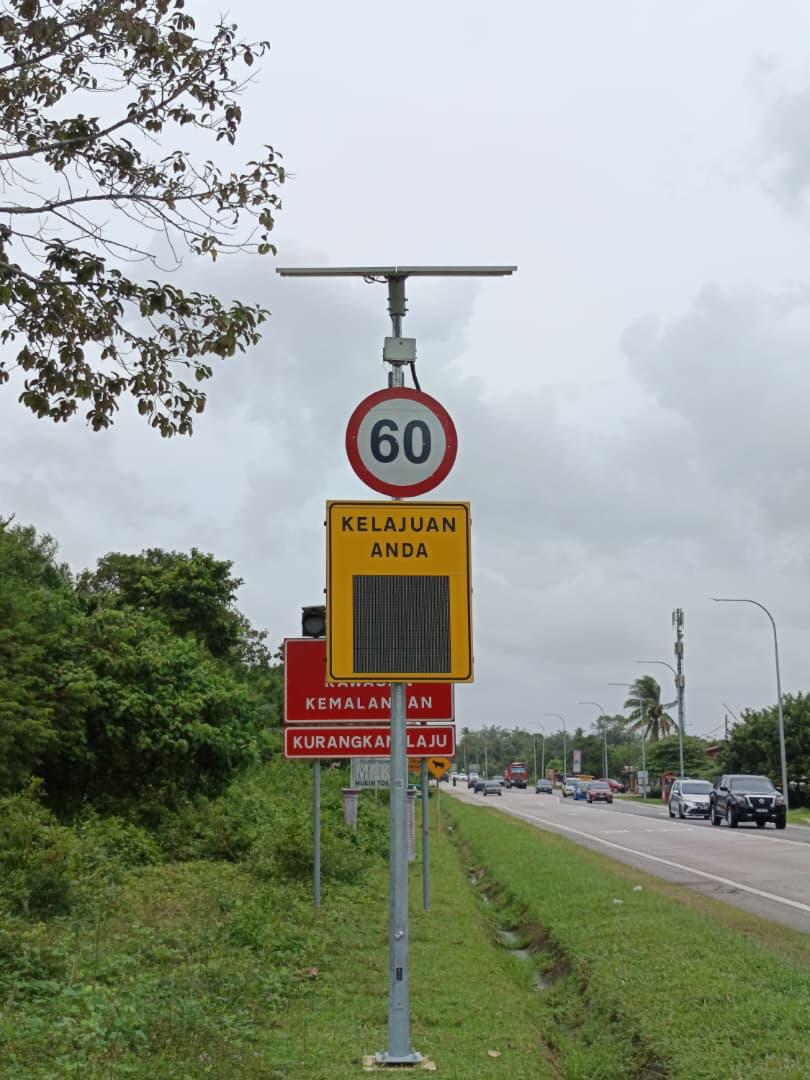
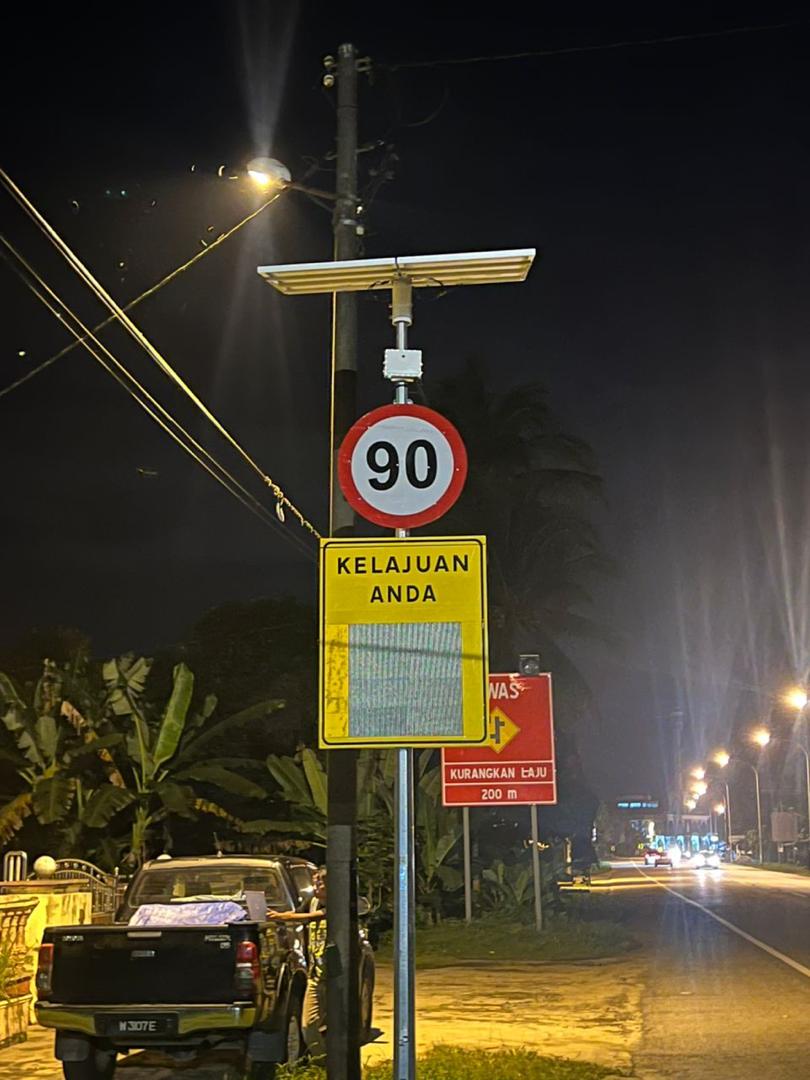
The TG465 mounts alongside the road, connected to a radar sensor via RS485 and to an LED display sign via relay output or RS485. The entire system draws power from a solar panel and battery bank, with the gateway’s wide 5–60 VDC input accepting variable solar voltage. When a vehicle approaches, the radar measures speed and sends it to the TG465. The gateway compares the reading against the posted limit and triggers the LED display to show the actual speed. If speeding occurs, it activates a flashing warning in the local language. All speed events are logged locally to NVMe SSD storage.
Outcomes & Advantages
- Average speed reduction of 15–25 percent at warning locations
- Off‑grid operation enables deployment on rural roads without utility power
- Local data logging preserves evidence even when cellular signal is lost
- Summarized data upload helps authorities identify high-risk corridors for permanent enforcement
Why TG465?
1. Edge AI Processing & Powerful Computing
Quad-core 64-bit ARM Cortex-A55 up to 2GHz, 1 TOPS NPU, Mali-G52 GPU. Runs license plate recognition, vehicle (including motorcycle) classification, and speed detection locally. Memory: 2GB DDR4 RAM (8GB optional), 16GB eMMC Flash (128GB optional), plus NVMe SSD up to 2TB for video and evidence storage.
2. Full Connectivity & Rich Industrial Interfaces
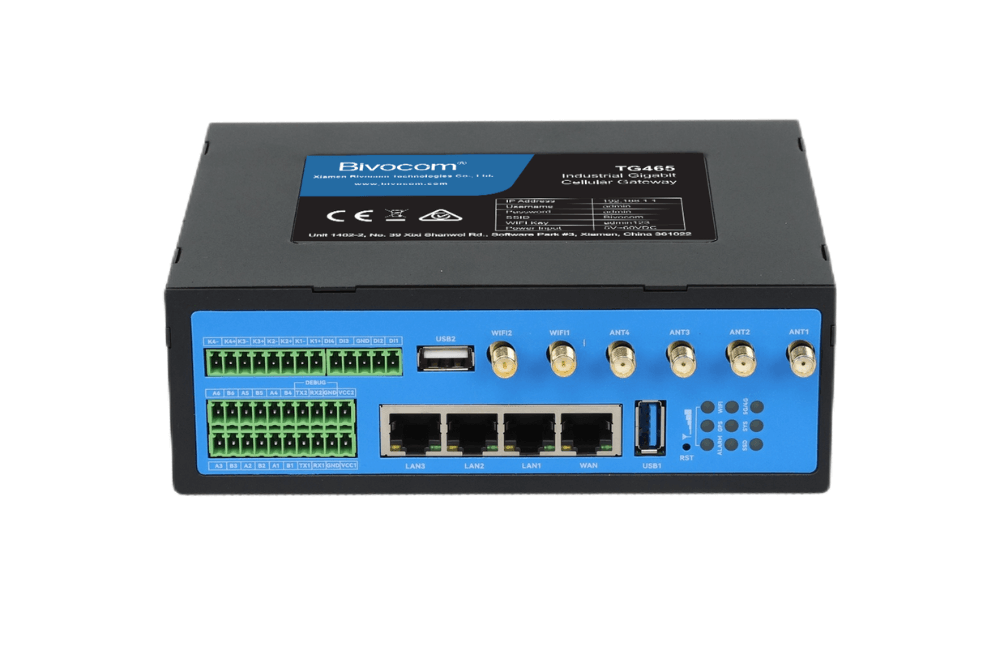
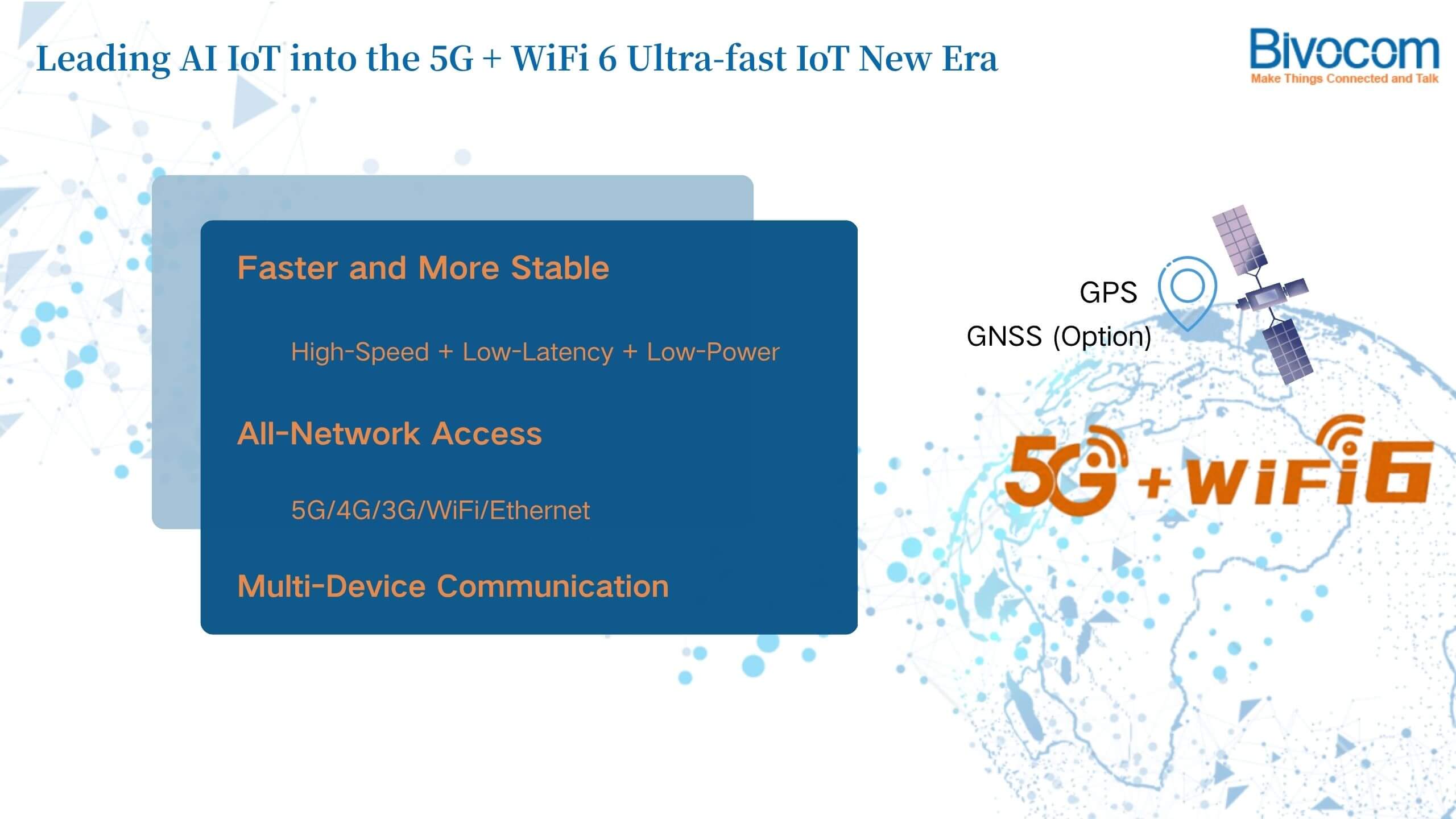
Optional 5G NR or 4G LTE with dual SIM failover. Four Gigabit RJ45 ports, one RS232, six RS485 ports, 4 DI, 4 relay outputs, USB 3.0/2.0, optional Wi-Fi 6 and HDMI 2.0 (4K display). Eliminates external protocol converters and simplifies installation.
3. Flexible System & Open Programmability
Supports Bivocom OS, Ubuntu, OpenWrt Linux, and Docker containers. It supports Python, C/C++ secondary development. Custom logic for local traffic rules, holiday scheduling and multi-language display can be deployed flexibly for regional needs. Deploy containerized AI models directly to hardware.


4. Comprehensive Protocol Support & Secure Transmission
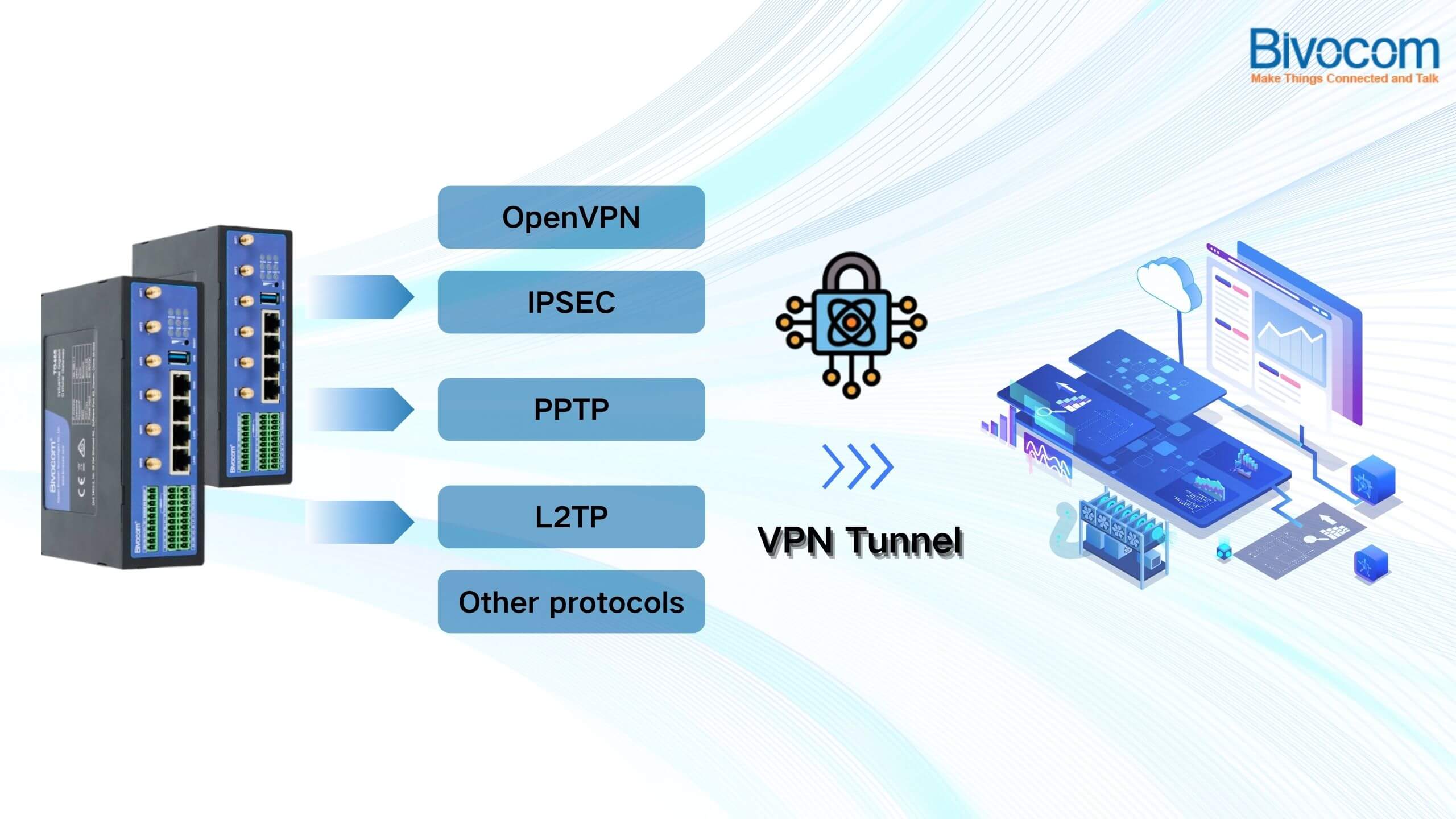
Built-in MQTT broker/client, Modbus RTU/TCP, JSON, TCP/UDP, OPC UA, DNP3, IEC101/104. Acts as universal translator for mixed-vendor devices. Multiple VPN tunnels (IPsec, PPTP, L2TP, GRE, OpenVPN) plus firewall (ACL/DMZ/Port Mapping/MAC Binding) for end-to-end encryption.
5. Industrial-Grade Reliability
A wide operating temperature range (-35°C to +75°C) suits tropical high heat and humidity; 5–60VDC wide voltage and optional super capacitors guarantee stable solar off-grid operation; lightning and electrostatic protection ensures durability during monsoon seasons, with full CE and FCC certification for local market access.
6. Remote Efficient Management & High Availability
Web, CLI, SMS, and cloud DMP for remote monitoring, OTA upgrades, and fault diagnosis. Hardware and software watchdogs for automatic recovery. Dual SIM backup and network failover ensure uninterrupted data transmission on critical road sections
About Bivocom
Southeast Asia’s traffic challenges will not be solved by adding more cameras or installing more signals. They demand infrastructure intelligent enough to respond to unpredictable surges, tropical environments, fragmented networks, and diverse vehicle flows. Bivocom TG465 5G Edge Gateway stands as the ideal core for southeast asia smart traffic modernization, merging edge AI, full-scenario connectivity, industrial-grade stability, and flexible customization into a compact, deployable device. It directly addresses Southeast Asia’s key traffic pain points across critical scenarios, delivering proven value for government authorities and engineering partners alike.
- Localized Adaptation: Optimized for Southeast Asia’s motorcycle-dominated mixed traffic, tropical high-heat/high-humidity environments, and off-grid deployment needs.
- Scenario-Proven Performance: Solves core pain points (congestion, high maintenance costs, harsh conditions) across adaptive signal control, speed warning, and AI traffic enforcement.
- Scalable & Cost-Effective: Industrial-grade reliability reduces downtime and on-site maintenance costs, enabling large-scale deployment across scattered regional intersections.
- Seamless End-Edge-Cloud Synergy: Integrates on-site devices, local edge computing, and cloud management to deliver real-time, low-latency traffic control.
The Bivocom TG465 delivers a reliable, scalable edge core to build safer, more efficient road networks. Reach out to our team [email protected] for a customized assessment, and let us partner with you to unlock the full potential of smart traffic across the region. We stand with you to drive sustainable, data-driven mobility innovation.
-on-Bivocom-TG465-IoT-Edge-AI-Gateway-with-Ubuntu-768x512.png "Install Ollama & Llama (LLM, large language model)) on Bivocom TG465 IoT Edge AI Gateway with Ubuntu")



1 Comment