Monitoring for Safety & Efficiency
You are managing an offshore production platform 200 kilometers from shore. You have thousands of valves, hundreds of flanges, and dozens of compressors. How do you know which one is leaking — before it becomes a safety incident, a regulatory fine, or an environmental crisis? This is the reality for offshore oil and gas operators every day. The Piper Alpha disaster in 1988 killed 167 people and fundamentally changed offshore safety regulations. The Deepwater Horizon blowout in 2010 caused the largest marine oil spill in history, costing BP over $65 billion and triggering a global regulatory reset. Today, Bivocom industrial IoT technology closes long-standing gaps in safety, compliance, and cost efficiency — even in the harshest marine environments.
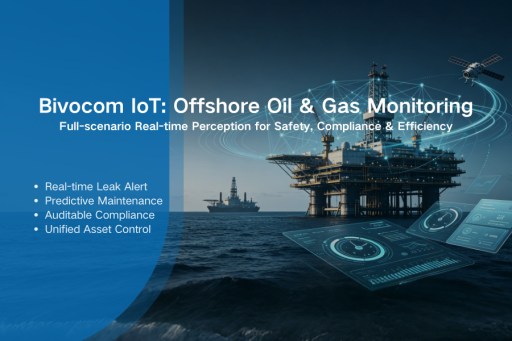
What Is Offshore Oil and Gas Operations?
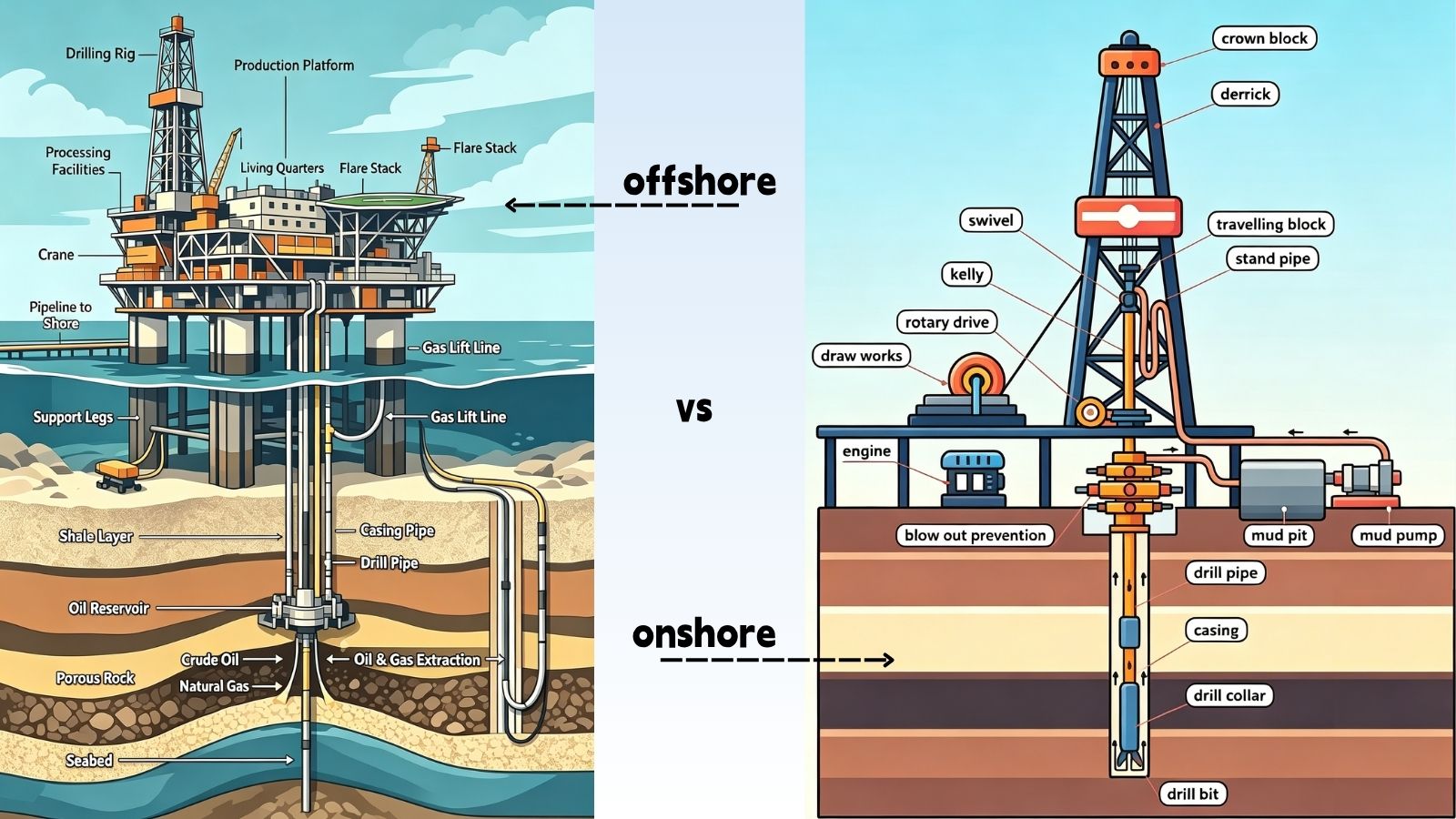
Offshore oil and gas operations extract hydrocarbons from beneath the seabed. Unlike onshore facilities, these platforms are entirely self-contained — they generate their own power, produce their own water, process hydrocarbons on-site, and house crews for weeks at a time. Key components of a typical offshore platform:
- Wells and wellheads: Extract oil and gas from subsea reservoirs.
- Processing equipment: Separators, compressors, and pumps that treat and move production fluids.
- Storage and offloading: Tanks and loading systems for crude oil and condensate.
- Utility systems: Power generation, water treatment, and HVAC.
- Living quarters: Accommodation for rotating crews.
- Export systems: Pipelines or tanker loading for shipping production to shore.
Over 30% of the world’s oil and gas reserves lie beneath the ocean. As onshore reserves deplete, operators have pushed into deeper waters. The Norwegian North Sea, the Gulf of Mexico, the South China Sea, and offshore Brazil, where giant fields like Troll and Johan Sverdrup hold billions of barrels. These reserves are now essential to global energy supply.
Why Traditional Monitoring Falls Short
Offshore platforms sit at the intersection of high risk and high reward. They are remote, complex, and expensive to operate. A single failure can cost millions in lost production — or worse, put lives at risk. Yet traditional monitoring methods—manual rounds, periodic inspections, and isolated sensors—cannot keep up.
- Coverage gaps. Thousands of valves, flanges, and pipelines across a single platform. Point sensors cover only their immediate location. Manual inspections miss what happens between visits. Blind spots are inevitable.
- Safety exposure. Sending crews into hazardous areas for routine checks puts lives at risk. Every unnecessary visit is an avoidable exposure to flammable gases, high-pressure systems, and confined spaces.
- Data silos. Many older platforms run on isolated sensors and legacy systems. Data stays trapped on-site. Operators cannot get a unified view of performance across their global asset fleet.
- Compliance risk. Regulations like the EU Methane Regulation and OGMP 2.0 demand continuous, auditable emissions data. Paper logs and periodic sampling no longer meet modern reporting standards.
- Connectivity challenge. Offshore platforms lack the fiber optics and reliable wired networks that land facilities take for granted. Satellite links offer limited bandwidth at high cost. Cellular coverage, where available, is inconsistent.
6 Core IoT Monitoring Use Cases
Modern offshore platforms operate in one of the most demanding industrial environments on earth. Thousands of components, extreme weather, limited access, and zero tolerance for failure—every day brings risks to people, assets, and the environment. IoT monitoring has moved from a competitive advantage to an operational necessity.Below are the six most widely adopted IoT use cases in offshore oil and gas today. Each addresses a critical layer of platform safety, reliability, and efficiency.
1. Gas Safety & Emissions Monitoring
Gas detection is the highest-priority IoT application offshore. A micro-leak at a flange can escalate within minutes. Methane‘s greenhouse impact—84 times that of CO₂ over 20 year.
- What it monitors: Methane (CH₄), hydrogen sulfide (H₂S), combustible gases, volatile organic compounds (VOCs), and emissions event frequency.
- How it works: Fixed-point sensors are placed at high-risk locations. Open-path laser detectors scan across pipe racks, detecting gas along a line of sight. All data streams to a central gateway, which forwards it to onshore control centers in real time. When concentrations exceed safe thresholds, alarms trigger within seconds.
- Core value: Reduces leak response from days to seconds; prevents explosion and H₂S exposure risks; generates auditable emissions data for regulatory reporting; supports flare gas recovery and emissions reduction programs.
2. Rotating Equipment Predictive Maintenance
Pumps, compressors, turbines, and generators are the heartbeat of any offshore platform. They run continuously in a corrosive environment. When one fails, production stops—and a single day of unplanned downtime can cost hundreds of thousands of dollars. The traditional approach—fix it when it breaks or overhaul it on a fixed schedule—is expensive and inefficient. IoT tells operators exactly when equipment needs attention.
- What it monitors: Vibration patterns, temperature gradients, motor current, lubrication condition, and operating speed on critical rotating equipment.
- How it works: Wireless accelerometers and temperature sensors attach to equipment housings. Edge gateways process raw vibration data on-site—analyzing frequency spectra to detect imbalances, misalignment, bearing wear, and lubrication breakdown before they cause failure. When anomalies are detected, maintenance alerts generate automatically.
- Core value: Shifts operators from reactive or scheduled maintenance to condition-based intervention—reducing unplanned downtime and extending equipment lifespan significantly.
3. Structural Health Monitoring
The platform itself is the most expensive single asset. It withstands decades of wave shock, salt corrosion, and extreme weather. Early warning signs are often subtle—a few millimeters of displacement or an undetected corrosion spot.
- What it monitors: Stress loads, strain distribution, tilt angle, displacement, natural frequency, corrosion rates, and fatigue accumulation on platform jackets, decks, trusses, and mooring systems.
- How it works: Wireless strain gauges, tilt sensors, and accelerometers are attached to structural nodes. They continuously measure static loads and dynamic responses to waves and wind. Automated alerts activate when readings deviate from baseline values or exceed safe thresholds—particularly critical for post-storm assessments.
- Core value: Enables immediate structural verification after extreme weather; prioritizes maintenance based on actual condition data; prevents catastrophic failures; supports asset life extension decisions.
4. Subsea Pipeline & Flowline Monitoring
Subsea pipelines are largely invisible, yet they carry hydrocarbons under extreme pressure. A leak is environmentally devastating and can take weeks to locate without real-time monitoring. ROV inspection runs are costly, but missing a developing leak is far more expensive.
- What it monitors: Pressure drops, temperature variations, flow rates, sand erosion, valve position, and acoustic signatures on subsea pipelines, risers, manifolds, and wellheads.
- How it works: Subsea sensors measure pressure and temperature at multiple points. Distributed Fiber Optic Sensing (DTS and DAS) provides continuous temperature and acoustic profiles along the entire pipeline length—detecting leaks by identifying thermal anomalies or acoustic signatures. Data surfaces through subsea control modules to topside gateways, which forward it to onshore analysts.
- Core value: Provides 24/7 leak detection without costly ROV runs; drastically reduces detection-to-response time; prevents environmental incidents; supports pipeline integrity management with continuous data.
5. Personnel & Site Security
Safety is the industry’s most deeply held value. Offshore platforms are hazardous by nature, with confined spaces, high-pressure systems, and flammable gases. A fire, gas release, or man-overboard event demands a fast, accurate response. In an emergency, real-time location data can mean the difference between a swift rescue and a tragedy.
- What it monitors: Worker location in restricted areas, muster point occupancy, perimeter intrusion, access control violations, and early-stage fire or overheating events.
- How it works: Wearable tracking tags communicate with fixed location beacons across the platform to provide real-time positioning. Thermal cameras detect heat anomalies before flames develop. Smoke and heat detectors feed into the central safety platform, which integrates all data for a unified view. Geofencing creates virtual boundaries around hazardous zones.
- Core value: Speeds emergency response with real-time headcount and location; enforces access control for high-risk areas; detects fire hazards at the earliest stage; reduces the need for manual safety patrols.
6. Meteorological & Environmental Monitoring
Weather affects every decision on an offshore platform. Crane operations, helicopter landings, and crew transfers all depend on wind and wave conditions. Beyond safety, accurate emissions quantification requires precise wind data to model plume dispersion. Without it, emissions reports are estimates, not measurements.
- What it monitors: Wind speed and direction, gust profiles, wave height and period, air temperature, barometric pressure, humidity, visibility, and sea surface temperature.
- How it works: On-site meteorological stations with ultrasonic anemometers, wave buoys, and temperature/humidity sensors transmit data at high frequency to control rooms. Wind data feeds directly into atmospheric dispersion models for methane quantification—translating sensor readings into accurate emissions rates. Historical weather data also supports structural analysis and fatigue calculations.
- Core value: Defines safe operating windows for all external activities; provides essential data for accurate emissions quantification; supports operational planning and vessel scheduling; contributes to platform fatigue life assessments.
How Bivocom IoT Transforms Offshore Operations
- Proactive risk management. Operators catch leaks, equipment faults, and structural issues early, before they escalate into costly or dangerous incidents.
- Verifiable compliance. Continuous, time-stamped data creates fully auditable records that satisfy OGMP 2.0, EU Methane Regulation, and local maritime safety rules.
- Dramatic cost reduction. Remote monitoring cuts on-site inspection visits by 60% or more, eliminating travel and labor costs while reducing worker exposure to hazards.
- Higher asset uptime. Predictive maintenance reduces unplanned shutdowns. Targeted upkeep based on real data extends the working life of aging infrastructure.
- Unified visibility. Operators monitor performance, emissions, and safety metrics across every platform from a single dashboard—driving better strategic decisions.
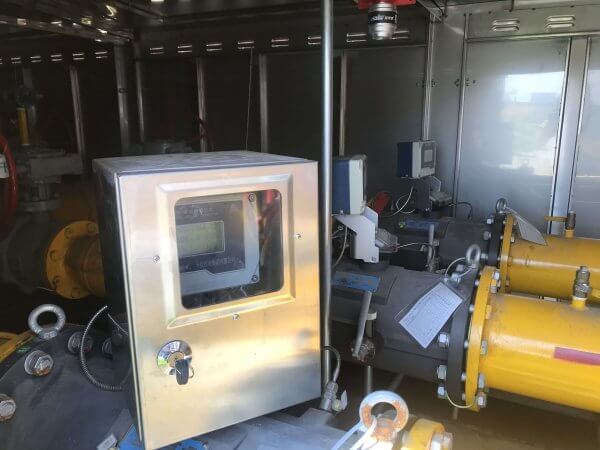
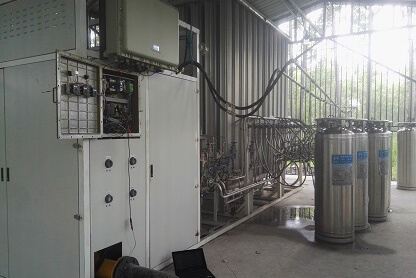
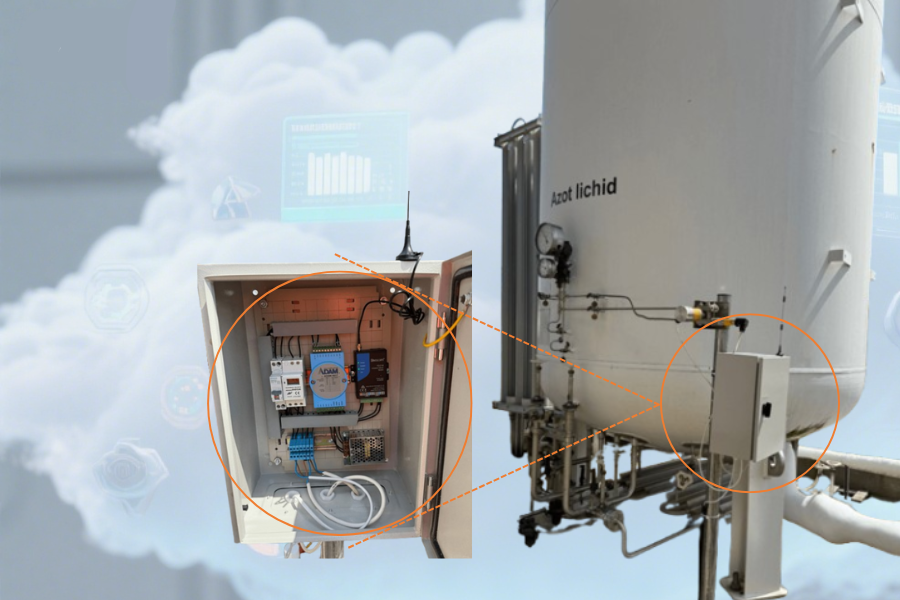
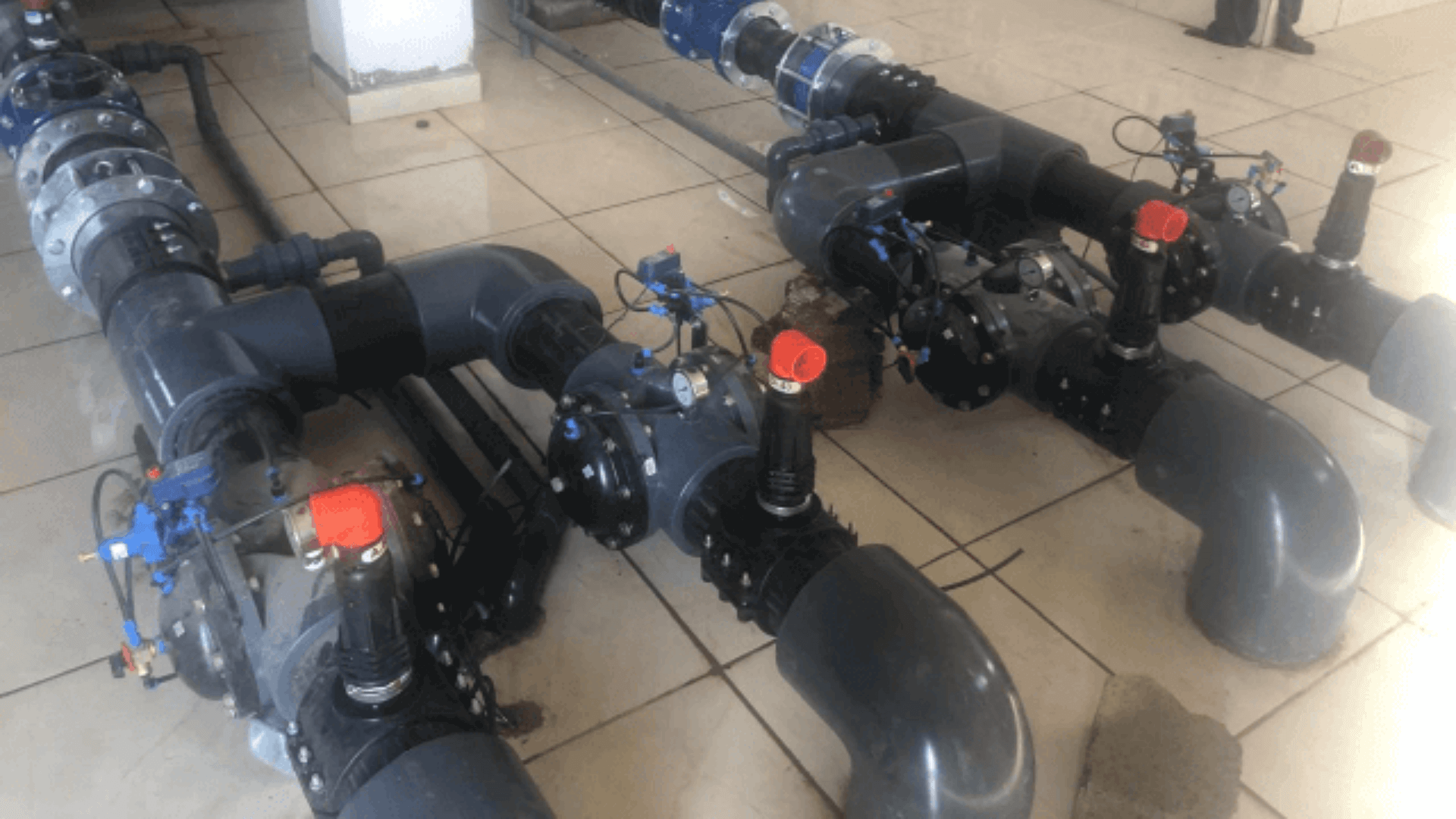

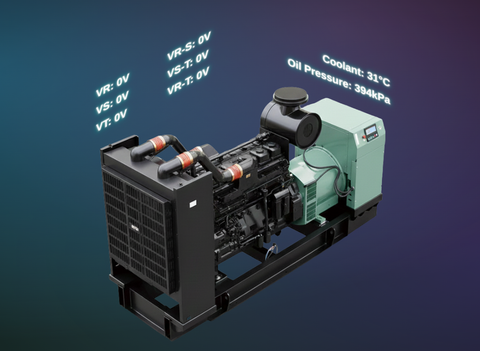
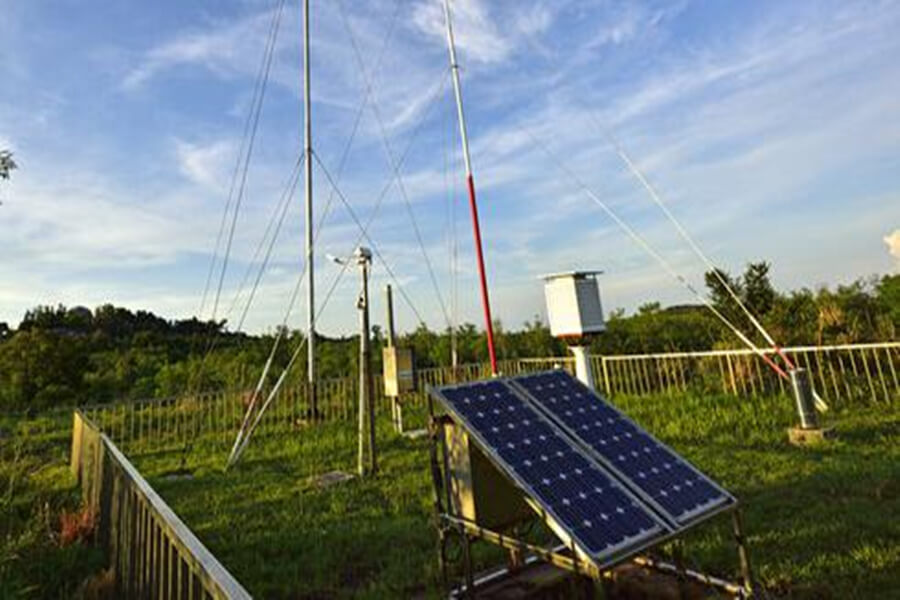
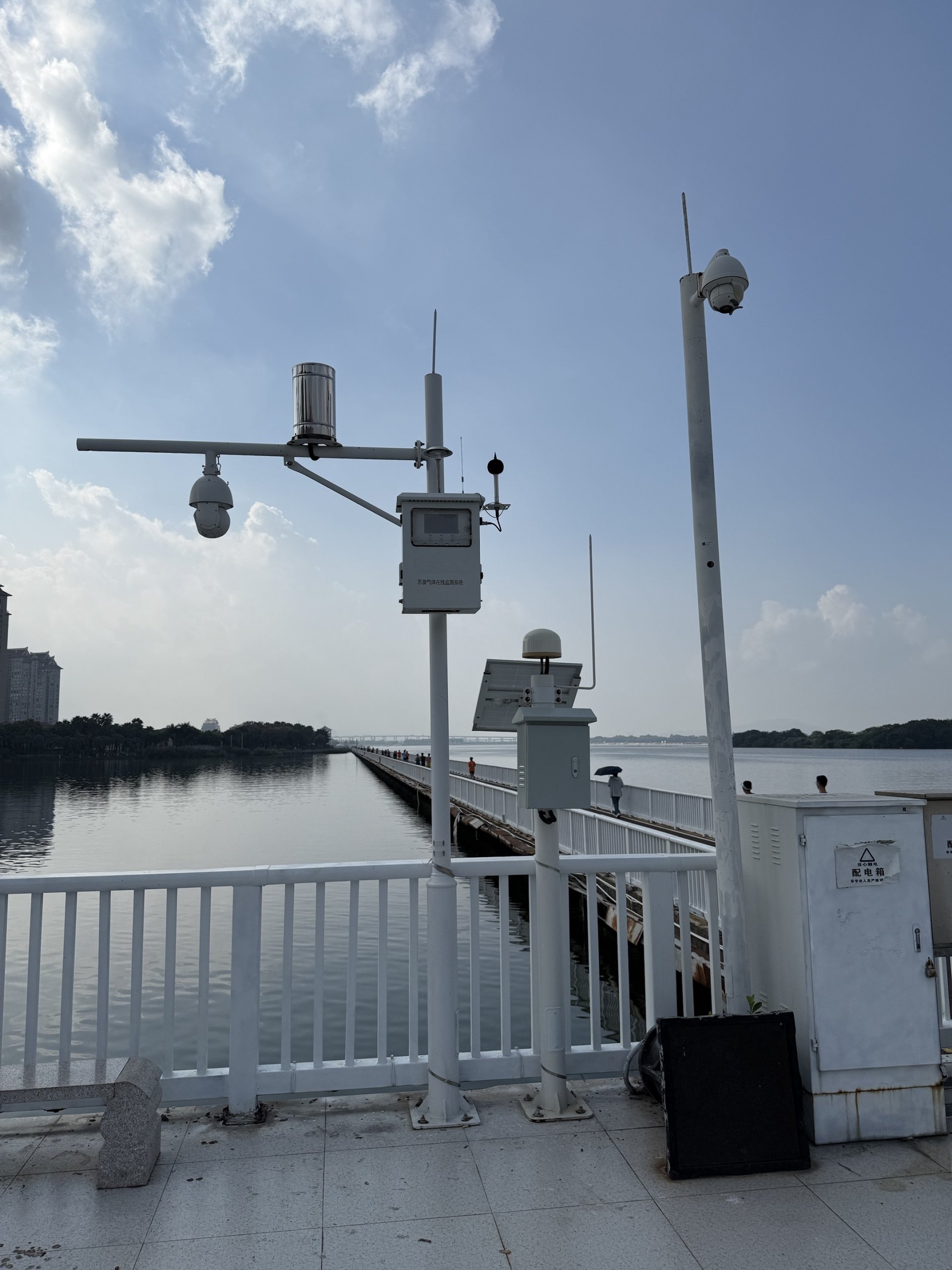
Dive deeper with these resources:
Bivocom | Gas Storage, Gas Alarm & Monitor System, Pump & Water Level, Genset, GNSS SHM …
About Bivocom
With over a decade of industrial IoT and M2M experience, Bivocom designs and manufactures rugged wireless communication solutions for the world‘s most demanding environments. Our product portfolio spans rugged hardware (GNSS/LoRa/5G routers, gateways, and RTUs), IoT platforms, and scenario-specific sensors—all built to endure extreme temperatures, salt corrosion, and continuous vibration. Every device is engineered with industrial-grade components and certified to ISO, CE, CCC, FCC, and other global standards.
- Open platform & ecosystem compatibility: Native support spans our device management platform (DMP), industry IoT platforms, and seamless integration with mainstream third-party IoT clouds, SCADA and DCS systems.
- Industry Experience: Global IIoT deployments across energy, oil and gas, water, smart cities, agriculture, transportation, and environmental monitoring in 90+ countries.
- End-to-end technical & customization support: Full product lifecycle support—from selection and integration to rollout—plus OEM/ODM and firmware customization for project-specific requirements.
Reach out to Bivocom today at [email protected]. We will customize cost-effective IoT connectivity schemes to help you digitize your offshore oil and gas assets safely and efficiently.
-on-Bivocom-TG465-IoT-Edge-AI-Gateway-with-Ubuntu-768x512.png "Install Ollama & Llama (LLM, large language model)) on Bivocom TG465 IoT Edge AI Gateway with Ubuntu")
Comment