Data-Driven Efficiency, Intelligently Optimized Resources
Precision agriculture is transforming how the world grows food. By 2050, farmers must feed nearly 10 billion people while confronting water scarcity, labor shortages, and climate volatility (WORLD RESOURCES INSTITUTE). The solution lies not in working harder, but in working smarter. Precision agriculture leverages IoT technology to turn farms into data-driven ecosystems—where every drop of water, every gram of fertilizer, and every square meter of soil is optimized for maximum yield with minimal waste. Drawing on the latest academic research and industry practices, this article explores how Bivocom‘s industrial IoT solutions make precision agriculture practical, reliable, and sustainable for farms of all scales.
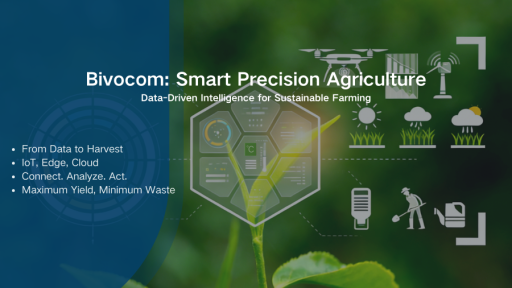
What Is Precision Agriculture?
Precision agriculture (PA) is a data-driven approach that uses GPS, sensors, and analytics to monitor field variability and optimize inputs. Unlike conventional farming—which applies uniform treatments across entire fields—precision agriculture recognizes that soil, moisture, and crop health vary meter by meter. The goal: apply the right amount, in the right place, at the right time.
From Agriculture 1.0 to 5.0
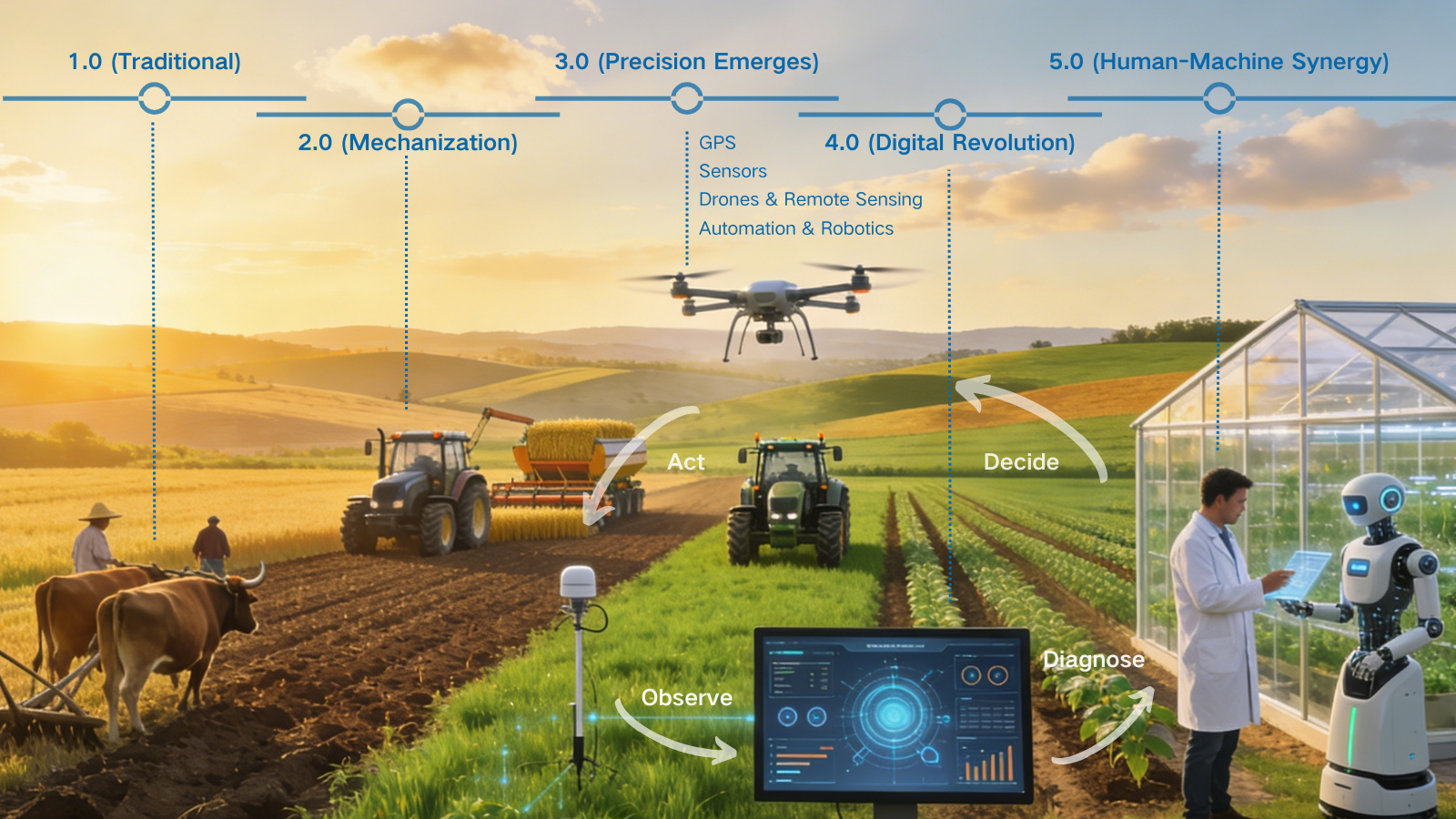
To understand precision agriculture’s significance, we must view it within the broader history of farming. Academic research divides modern agricultural development into five distinct eras:
- 1.0 (Traditional): Basic tools, human labor, animal power, subsistence farming
- 2.0 (Mechanization): Tractors, harvesters, synthetic fertilizers—higher yields, environmental costs
- 3.0 (Precision Emerges): GPS, remote sensing, GIS—mapping and selective input application
- 4.0 (Digital Revolution): IoT, big data, AI, drones—real-time monitoring and automated control
- 5.0 (Human-Machine Synergy): Collaboration between human expertise and intelligent machines for sustainability
Precision agriculture sits at the heart of this evolution. It is not merely a collection of technologies; it represents a fundamental shift in how we think about growing food.
The Value of Precision Agriculture
- Economic: Reduced input waste lowers costs, while precise management increases yields.
- Environmental: Targeted fertilizer and pesticide application minimizes runoff, protecting water sources and ecosystems.
- Social: Automation reduces dependence on scarce manual labor, and traceability builds consumer trust.
- Resilience: Real-time monitoring enables early response to pests, disease, and extreme weather.
Core Technologies
Precision agriculture relies on four interconnected technology pillars that work together in a continuous improvement loop.
- GPS: Provides precise location data for field mapping and variable-rate applications—enabling detailed maps that guide every operation.
- Sensors: Measure soil moisture, nutrients, pH, salinity, and crop healt
- Drones & Remote Sensing: High-resolution imagery for plant health assessment, enabling farmers to assess plant health, detect disease early, and monitor irrigation effectiveness from above.
- Automation & Robotics:Autonomous tractors, robotic weeders, and smart irrigation systems execute tasks with precision, guided by GPS and sensor data.
The IoT-Driven Cycle
The Internet of Things connects these technologies into a continuous improvement loop. This approach moves farming from field-level decisions to plant-level precision. Every square meter receives exactly what it needs—nothing more, nothing less.
- Observe: Sensors deployed throughout fields continuously collect data on soil, crops, and weather.
- Diagnose: Data flows to an IoT platform where rules and models analyze conditions, identifying deficiencies or risks.
- Decide: Farmers or ML algorithms interpret the diagnosis and pinpoint exactly where intervention is needed.
- Act: Variable-rate equipment applies water, fertilizer, or pesticides precisely where required. Then the cycle begins again.
How IoT Empowers Precision Agriculture
IoT connects the physical and digital worlds across three layers. It serves as the nervous system that links field sensors to cloud intelligence.
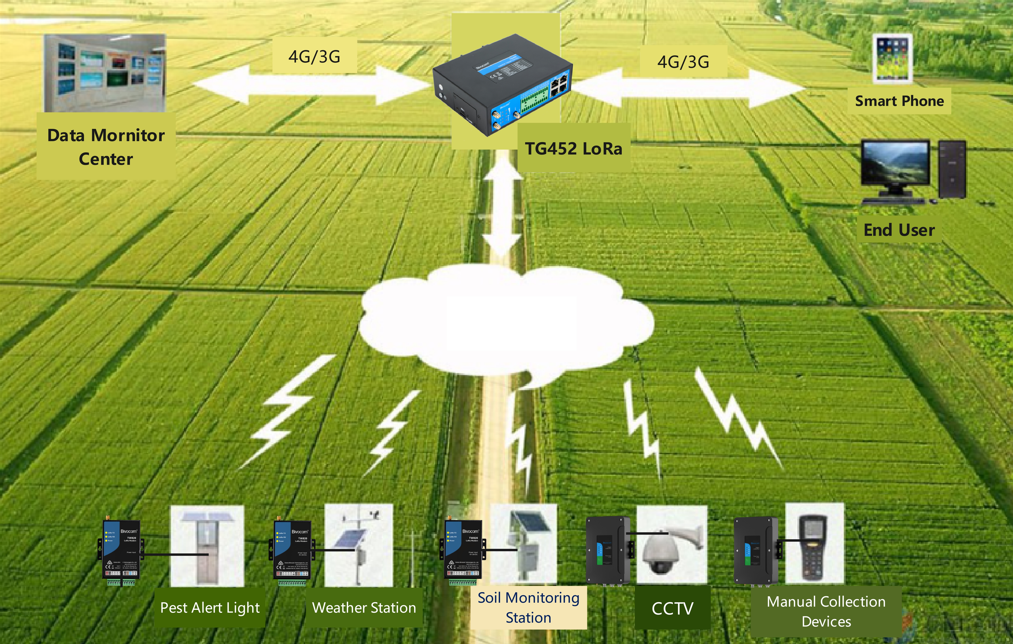
- Connectivity Layer: Gateways aggregate data from multiple sensors—RS-485 for Modbus devices, digital/analog inputs for legacy sensors, LoRa/4G/5G for long-range reach.
- Intelligence Layer: Edge computing processes data locally, filtering and analyzing before transmission—sending only meaningful insights to the cloud.
- Platform Layer: Real-time insights from cloud analytics—farmers monitor, track, and control remotely. Advanced algorithms identify invisible patterns, driving data-based decisions.
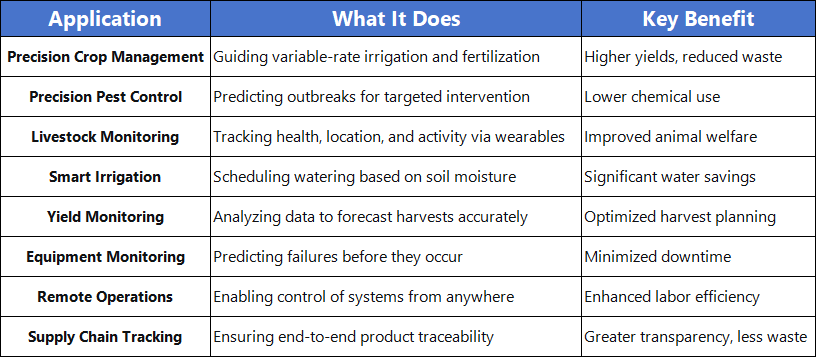
Key Applications Across Agriculture
A Typical Deployment Scenario
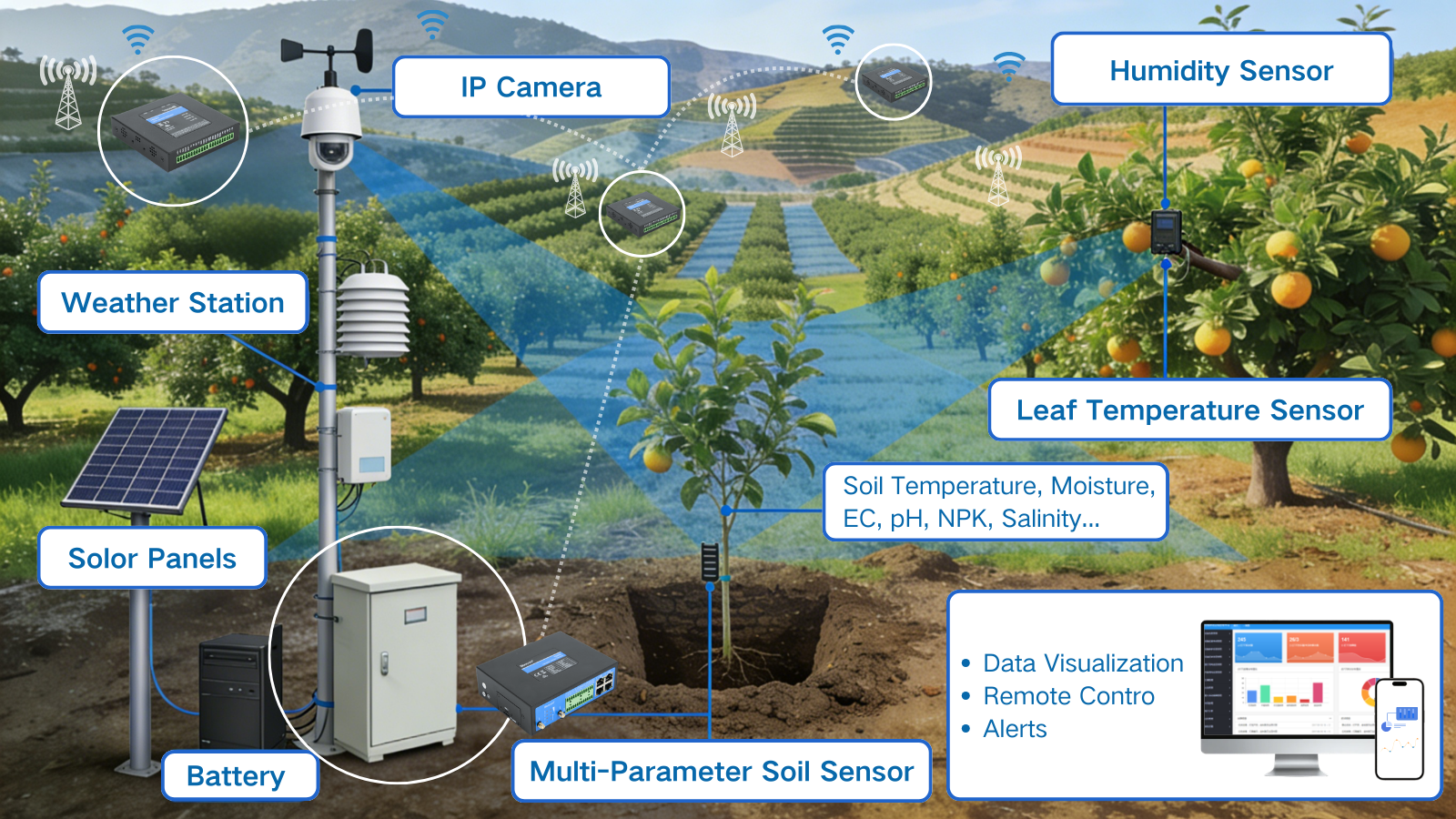
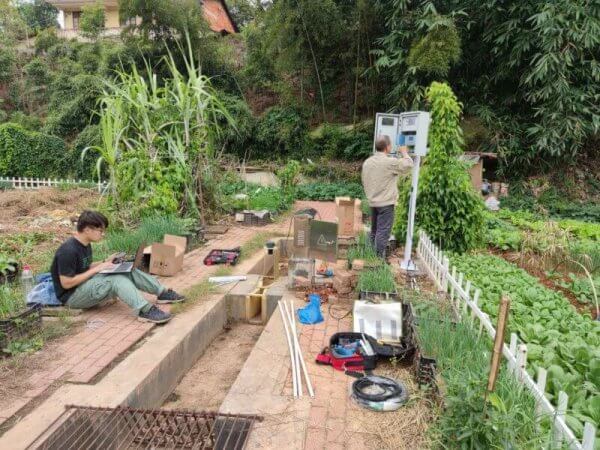
Consider a fruit orchard spanning hundreds of hectares across varied terrain. Soil composition differs between hillsides and valleys. Microclimates vary with elevation. Pests and diseases appear unevenly. The farm needs continuous monitoring of weather, soil moisture, nutrients, and leaf conditions—but manual inspection at this scale is impossible. Grid power is unavailable in most areas. Cellular coverage is strong in some sections but marginal in others. Equipment must survive temperature extremes, dust, and occasional flooding. Installation must be simple enough for local staff to deploy without specialized training.
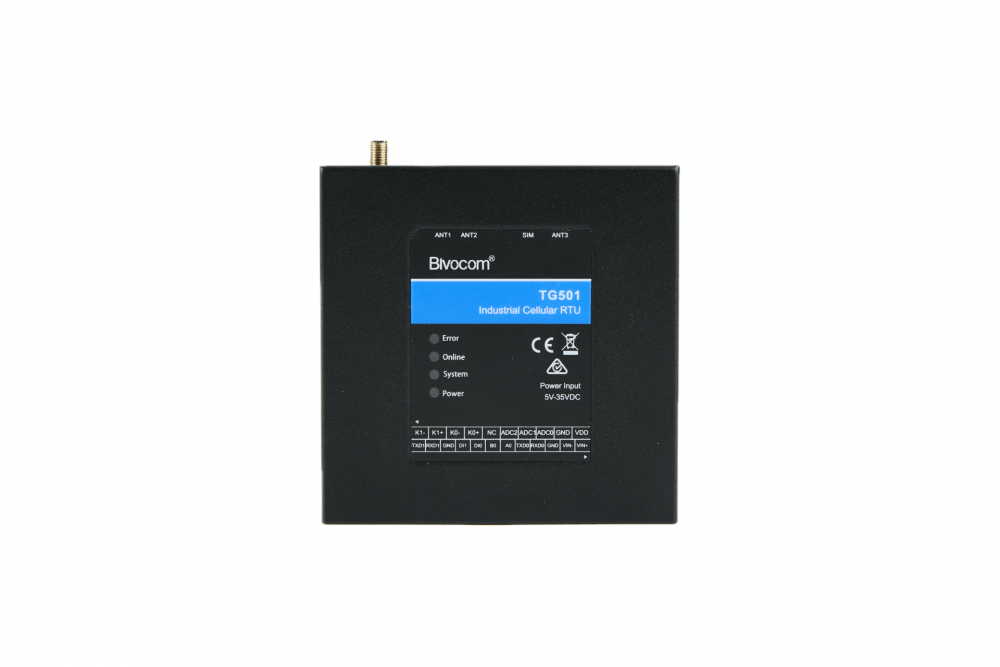
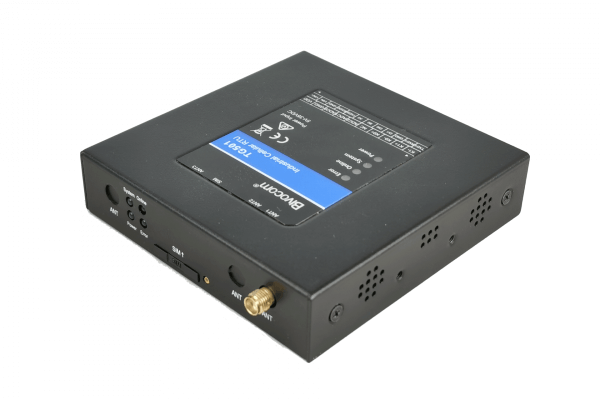
Bivocom TG501: The Compact Field Unit
For widely distributed monitoring points, the TG501 Mini RTU provides an ideal solution.
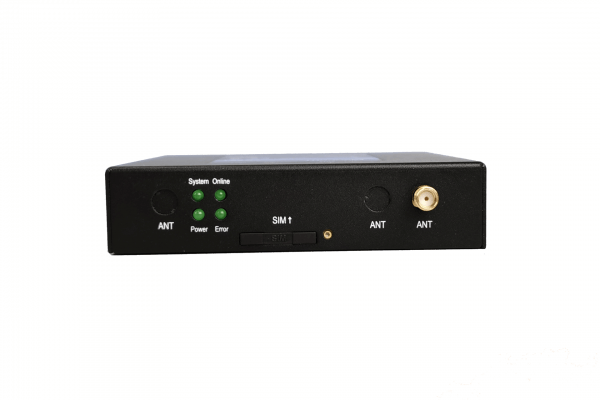
- Remote Deployment: Metal enclosure (100×100×23 mm) with IP30 protection fits inside weatherproof boxes. Wide -35°C to +75°C operation ensures reliability through harsh seasons.
- Connectivity Anywhere: Built-in 4G LTE supports global cellular bands. A single SIM slot accepts local carrier SIMs. Optional GPS enables precise location tracking.
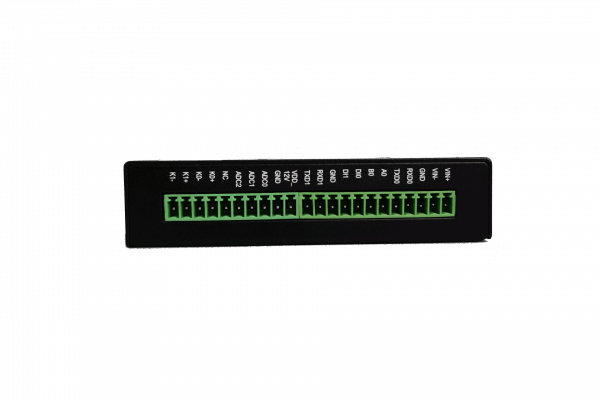
- Flexible Sensor Integration: One RS-485 port connects multiple Modbus RTU sensors on the same bus. 16 MB of onboard storage buffers data during network outages. Three analog inputs accommodate legacy 4-20mA or 0-5V sensors, while digital inputs and relay outputs enable basic control.
- Protocol Support: Native MQTT with configurable JSON payloads simplifies cloud integration. The device acts as a Modbus master, polling sensors on user-defined schedules. TLS/SSL encryption ensures data security.
- Solar-ready: Wide 5-35 VDC input accepts direct battery connection. Minimal power draw enables long-term operation on modest solar systems.
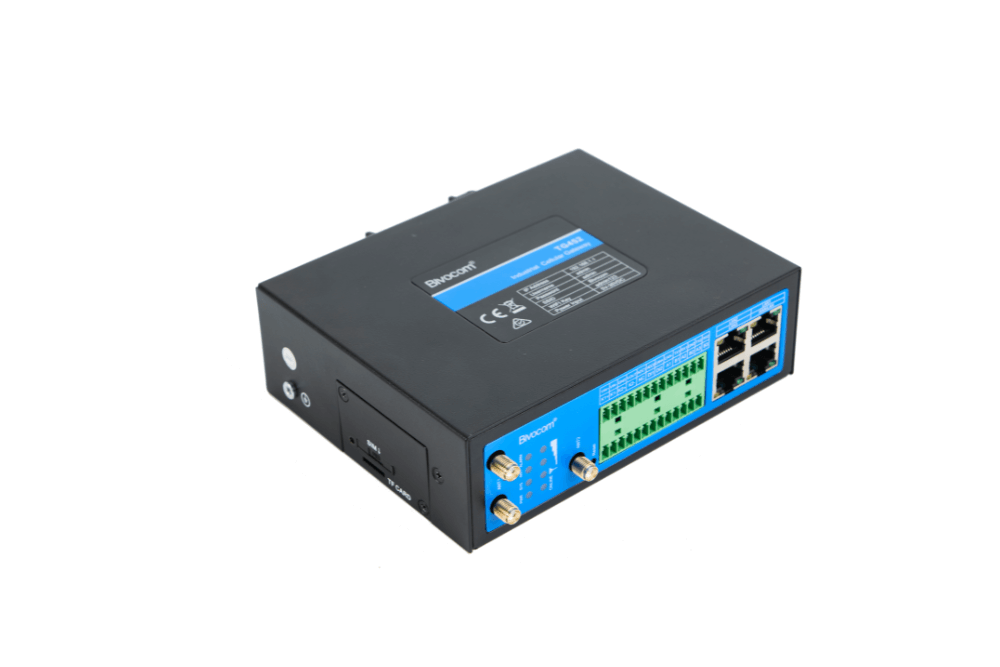
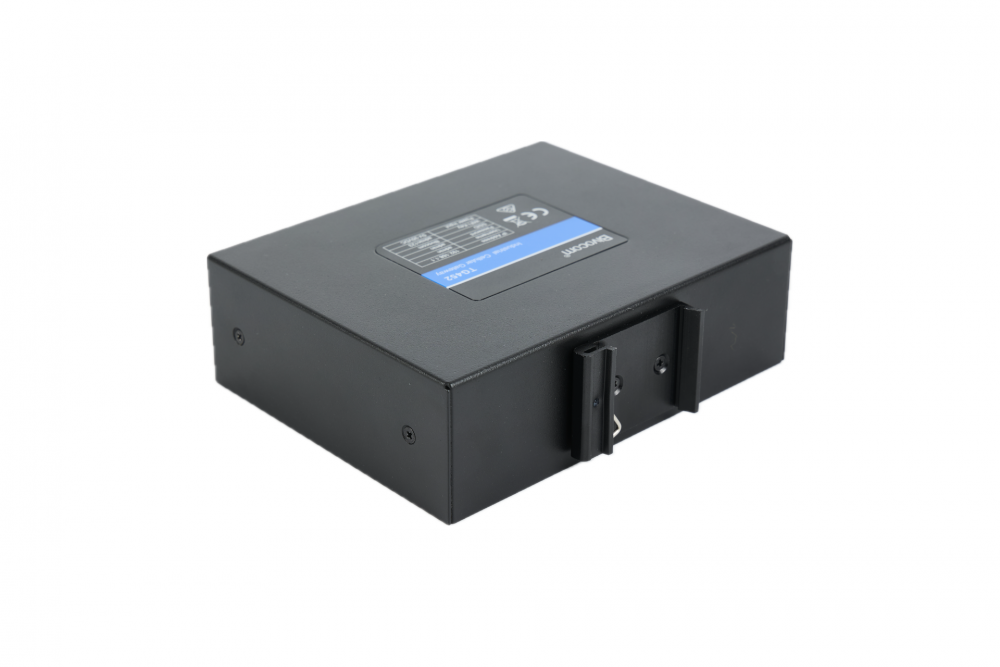
Bivocom TG452: The Central Intelligence Hub
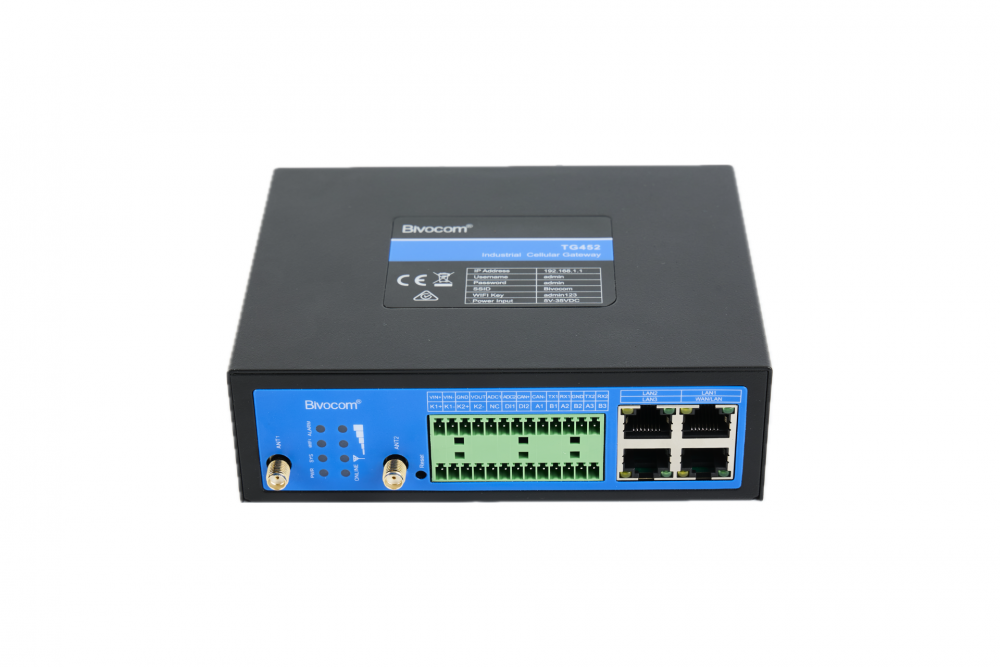
For larger operations requiring local data aggregation and edge intelligence, TG452 serves as the farm’s central nervous system.
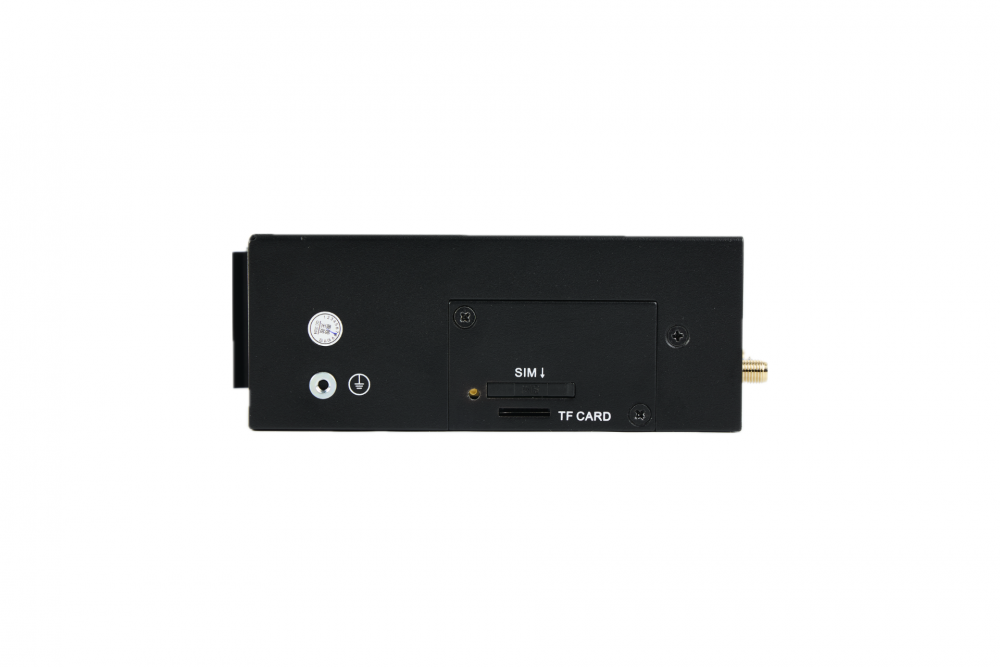
- Multi-Interface Connectivity: Three independent RS-485 ports enable physical separation of sensor types—weather stations on one bus, soil sensors on another. Two RS-232 ports accommodate legacy equipment. Four Ethernet ports (1 WAN + 3 LAN) connect local cameras or controllers. Dual SIM with automatic failover ensures continuous connectivity.
- Edge Computing Power: 32-bit ARM Cortex A7 processor (528 MHz) running OpenWrt Linux supports custom applications in Python, C/C++, and Node-RED. Process data locally and generate real-time alerts—without cloud dependency.
- Massive Local Storage: Micro SD slot accepts cards up to 32 GB, storing months of sensor data during outages. Automatically syncs when connectivity returns.
- Industrial Reliability: Operating from -35°C to +75°C with 5-35 VDC input, the TG452 thrives in solar-powered, off-grid installations. Metal housing provides RF shielding and mechanical robustness.
- Comprehensive Monitoring & Control: Two digital inputs, two relay outputs, and two ADC inputs enable direct equipment interaction. Optional CAN interface supports advanced machinery integration.
- Advanced Networking: IPsec/OpenVPN creates secure tunnels to farm management systems. Modbus gateway converts RTU to TCP, integrating legacy serial devices with modern IP networks.
Flexible Deployment Strategies
- Independent Node Mode: Deploy TG501 units at each monitoring point, each connecting directly to local sensors and uploading via 4G. Simple, fault-isolated, and easy to scale.
- Concentrator Mode: In areas with weak cellular coverage, deploy TG452 as a regional gateway. Connect sensors directly via its three RS-485 ports, or receive data from nearby TG501 units via LoRa. The gateway processes data locally and uploads aggregated insights.
- Hybrid Evolution: Start with TG501 units for rapid coverage. As operations grow and require local intelligence, introduce TG452 units as regional hubs, building a layered network.
-1.png "Bivocom TG453 Smart Feed Distribution(farm)")
Precision Agriculture vs. Smart Agriculture
These terms are often used interchangeably, but they represent distinct concepts.
- Precision agriculture focuses on variability management. It recognizes that fields are not uniform and adjusts inputs accordingly. The goal is optimization through precise application—the right amount, in the right place, at the right time.
- Smart agriculture encompasses everything precision agriculture does, plus broader integration across the agricultural value chain. It includes market intelligence, supply chain optimization, automated machinery coordination, and consumer engagement. Smart agriculture is precision agriculture connected to the larger world—linked to commodity prices, weather forecasts, logistics systems, and consumer preferences.
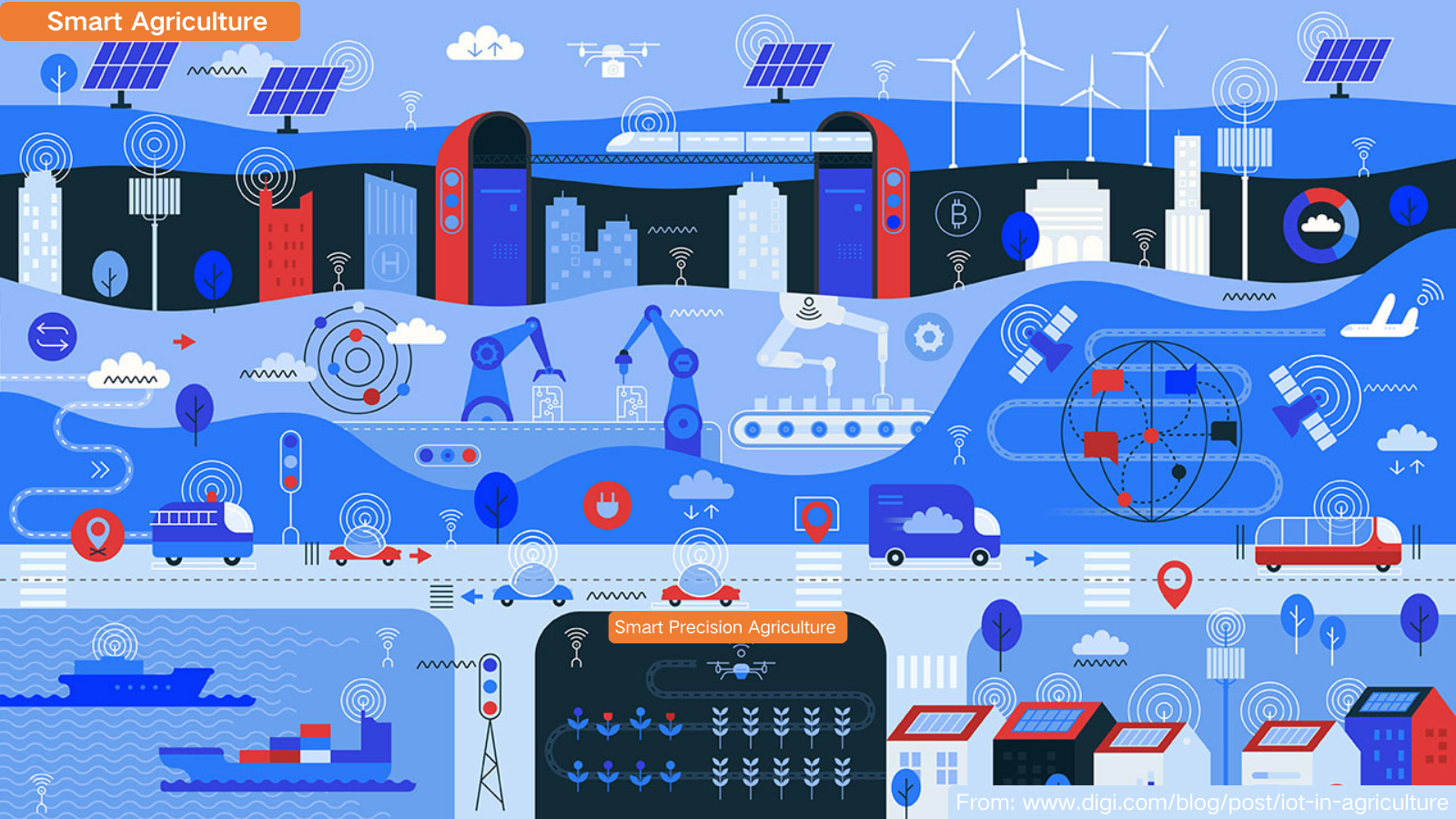
In practice, these concepts form a continuum. A farm practicing precision agriculture installs soil sensors and variable-rate irrigation. A smart farm extends that foundation to include automated marketing, predictive logistics, and direct consumer relationships. Both approaches share the same technological core: reliable IoT connectivity, robust data management, and actionable intelligence delivered to decision-makers.
The Future of Precision Agriculture
- AI-Powered Decision Support: ML models predict outcomes and recommend precise actions—when to spray, irrigate, or harvest.
- End-to-End Traceability: Blockchain meets IoT. Every growing condition, harvest date, and handling practice recorded immutably. Consumers trust what they see.
- Autonomous Operations: Let robots handle the routine. Autonomous tractors and smart weeders work with surgical precision—24/7.
- Regenerative Agriculture Integration: Measure soil carbon accurately. Participate in carbon markets. Profit from sustainable practices.
- Hybrid Connectivity: Cellular + LoRa + gateways. Flexibility, not one-size-fits-all.
About Bivocom
Bivocom brings over a decade of industrial IoT expertise and a global presence in 90+ countries. Our portfolio spans rugged hardware (GNSS/LoRa/5G routers, gateways, and RTUs), cloud platforms, and scenario-specific sensors. From compact field units to powerful edge gateways, these solutions deliver reliable connectivity in the harshest environments—turning remote orchards and vast croplands into intelligent, data-driven ecosystems.
- End-to-end intelligence: Unify sensor data, edge analytics, and cloud for real-time decisions and automated control.
- Proven methodology: Needs assessment, tech selection, pilot testing, team training, scale-up, and continuous optimization.
- Flexible deployment: Independent node, concentrator, or hybrid architectures for any terrain, crop, and connectivity.
- Customer-centric lifecycle support: From initial configuration to long-term maintenance, ensuring measurable ROI.
Ready to harness the power of precision agriculture?
The future of farming is connected, intelligent, and sustainable. With Bivocom as your technology partner, that future is within reach—one sensor, one gateway, one harvest at a time. Contact [email protected] to begin your journey.
-on-Bivocom-TG465-IoT-Edge-AI-Gateway-with-Ubuntu-768x512.png "Install Ollama & Llama (LLM, large language model)) on Bivocom TG465 IoT Edge AI Gateway with Ubuntu")
Comment