Empower IIoT Edge Computing
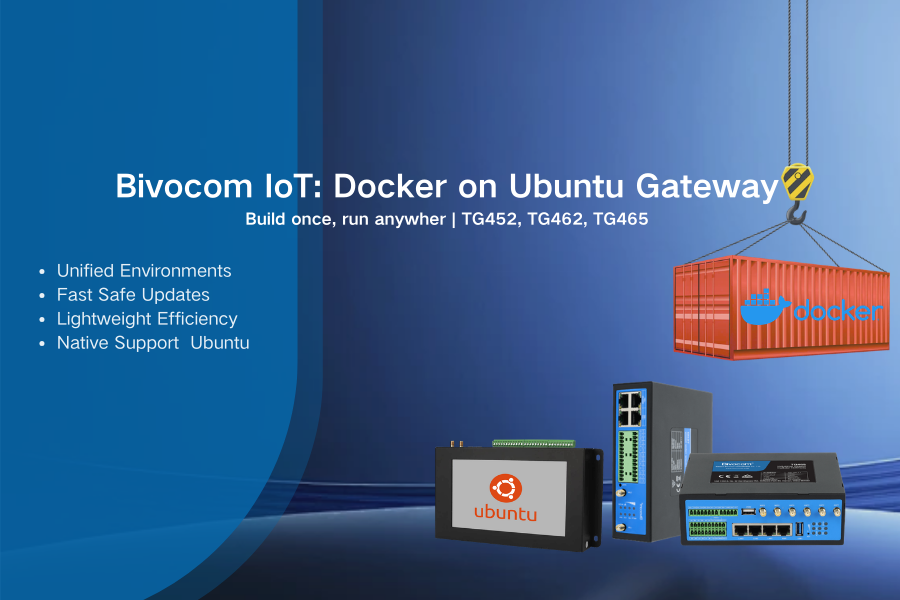
IIoT is revolutionizing manufacturing, energy, and infrastructure. Yet as edge computing becomes more pervasive, one persistent problem frustrates developers and architects alike: environment inconsistency. An application that runs flawlessly on a development laptop often crashes when deployed to an industrial gateway in the field—missing libraries, kernel mismatches, or dependency conflicts derail months of work. Industrial IoT Docker containerization solves this fundamental challenge. Bivocom IoT gateways package applications with their complete runtime environments into lightweight, portable containers. This enables developers to truly “build once, run anywher”.
What Is Docker?
Docker is an open OS‑level virtualization platform for building, shipping, and running applications in lightweight, isolated containers. Unlike hypervisor‑based virtual machines, it shares the host OS kernel, packages applications with all dependencies, and decouples software from infrastructure—ensuring consistency across any environment. This architecture accelerates development cycles and provides a portable, resource‑efficient foundation ideal for deployments.
In practical terms, containers differ from VMs in several measurable ways: they launch in milliseconds to seconds with image sizes in megabytes, while VMs take minutes to start and occupy gigabytes. Containers impose minimal resource overhead, approaching native performance, whereas VMs require significant CPU and memory for each guest OS. Additionally, isolation is achieved at the process level via kernel namespaces in containers, compared to hardware‑level isolation provided by hypervisors in VMs.
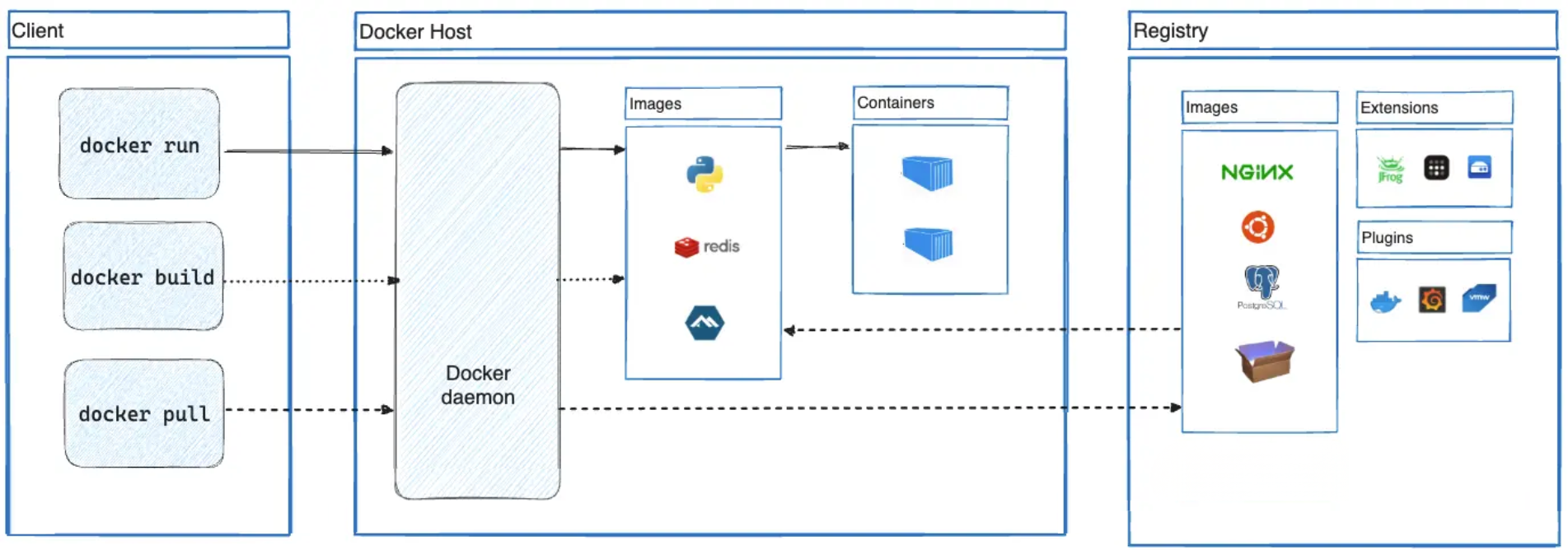
Core Components of Docker
- Docker daemon: Listens for API requests and manages Docker objects (images, containers, networks, volumes).
- Docker client: The primary interface users interact with; sends commands to the daemon.
- Docker registries: Store Docker images. Docker Hub is the default public registry, but private registries can also be used.
- Images: Read-only templates with instructions for creating containers. Images are built in layers, which makes them lightweight and fast to transfer.
- Containers: Runnable instances of images. They are isolated, yet can be connected to networks and storage.
Why Docker Matters?
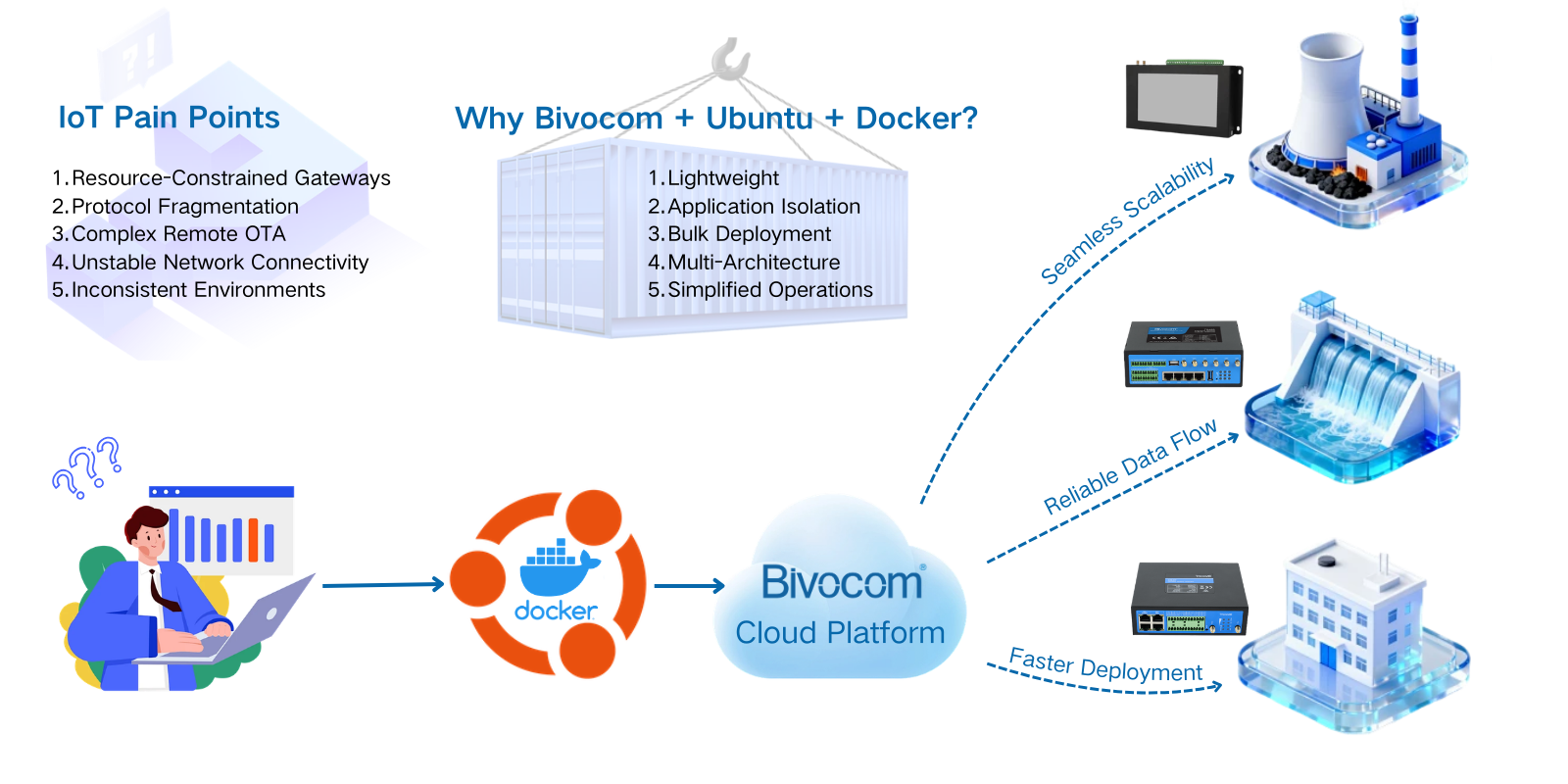
- Inconsistent environments: Code that ran perfectly on a developer’s laptop would fail in production due to missing libraries, different OS versions, or configuration drift. The “it works on my machine” problem wasted countless hours.
- Resource inefficiency: Traditional virtual machines solved isolation but at a steep cost: each VM required its own guest OS, consuming gigabytes of storage and significant CPU/memory overhead. For resource-constrained edge devices, this approach was simply impractical.
- Slow, risky updates: Updating software on deployed devices meant on-site visits, manual interventions, or fragile scripts. One failed update could brick a device, leading to costly truck rolls and downtime.
- Lock-in and rigidity – Applications were tightly coupled to their host environments. Moving from one cloud provider to another, or from x86 to ARM hardware, often required rewriting significant portions of code.
Docker + IoT: A Perfect Match at the Edge
- Unify fragmented hardware: One container image runs on ARM, x86, or any Linux device. Build once, deploy to any gateway.
- Accelerate deployment: From days to minutes. Push images over the air. No manual dependency installation, no environment tweaks.
- Safe updates: Atomic updates with instant rollback. Partial failure never bricks a device.
- Maximize resource utilization: Containers share the host kernel, consuming 10× less resources than VMs. Run multiple services on a single gateway.
- Orchestrate cloud‑to‑edge: Manage images centrally, run containers autonomously at the edge.
Ubuntu Gateways: Containerized Edge Computing
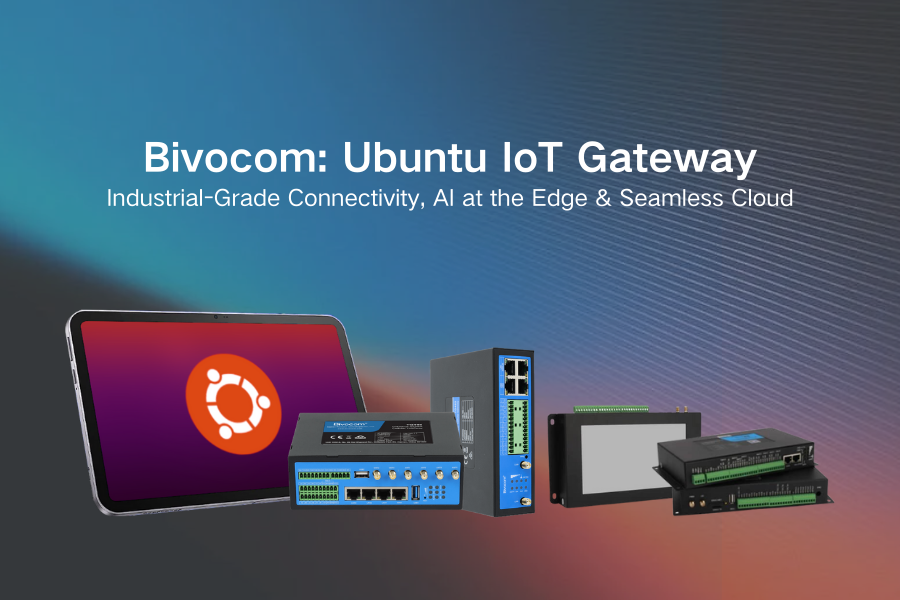
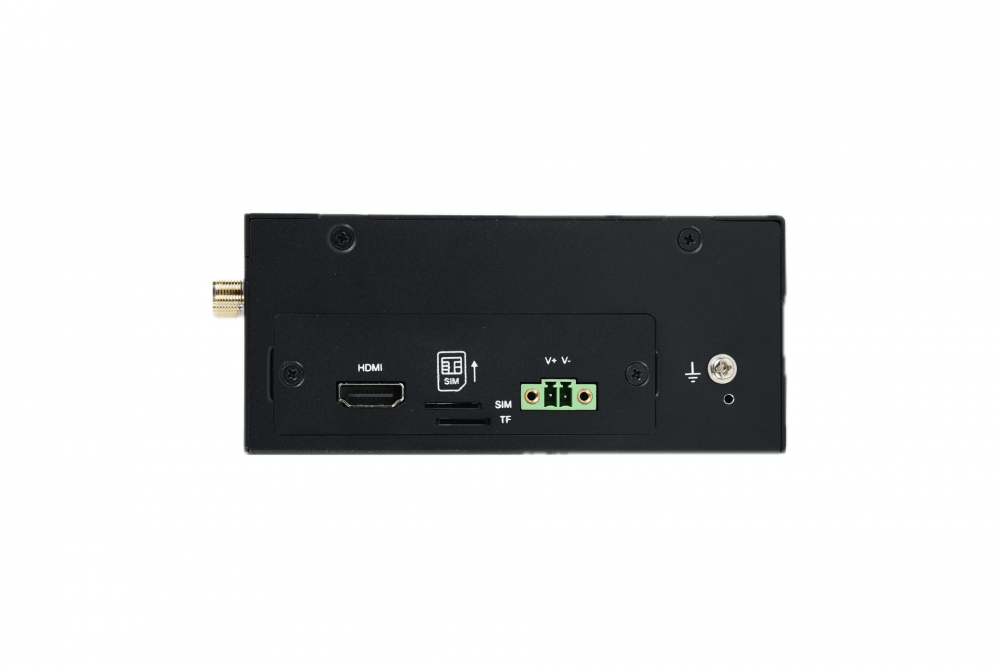
Bivocom’s family of ubuntu programmable edge gateways—TG452, TG462, and TG465—is engineered to support Ubuntu Linux and Docker out of the box. This means you can leverage the full power of containerization on rugged industrial hardware designed for harsh environments. But what sets each model apart, and how does Docker amplify their unique strengths? Each Bivocom gateway brings distinct capabilities to Docker-powered IIoT, tailored to different use cases and scale:
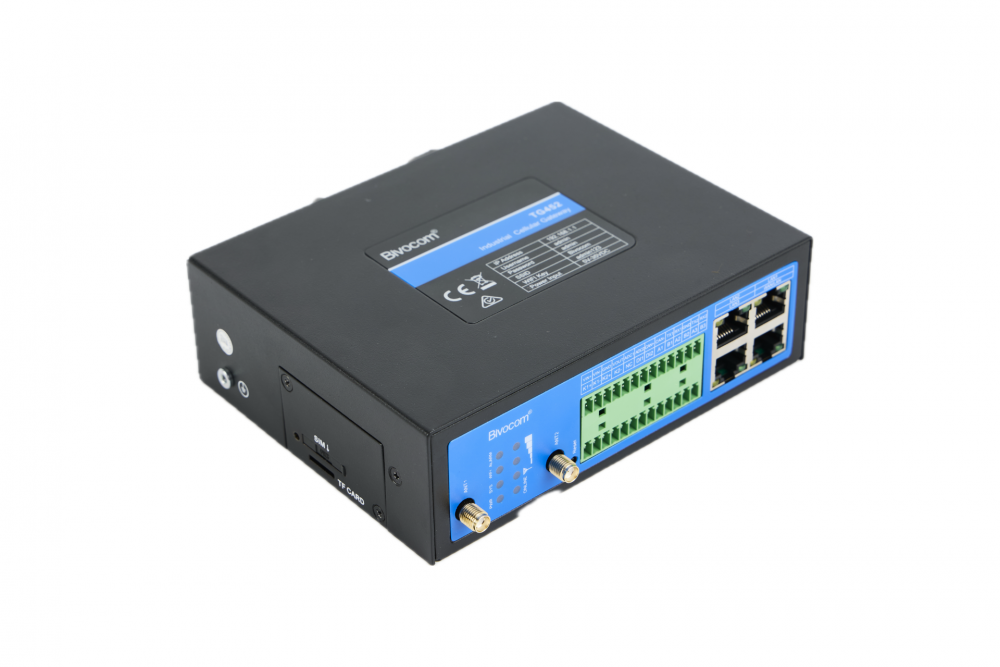
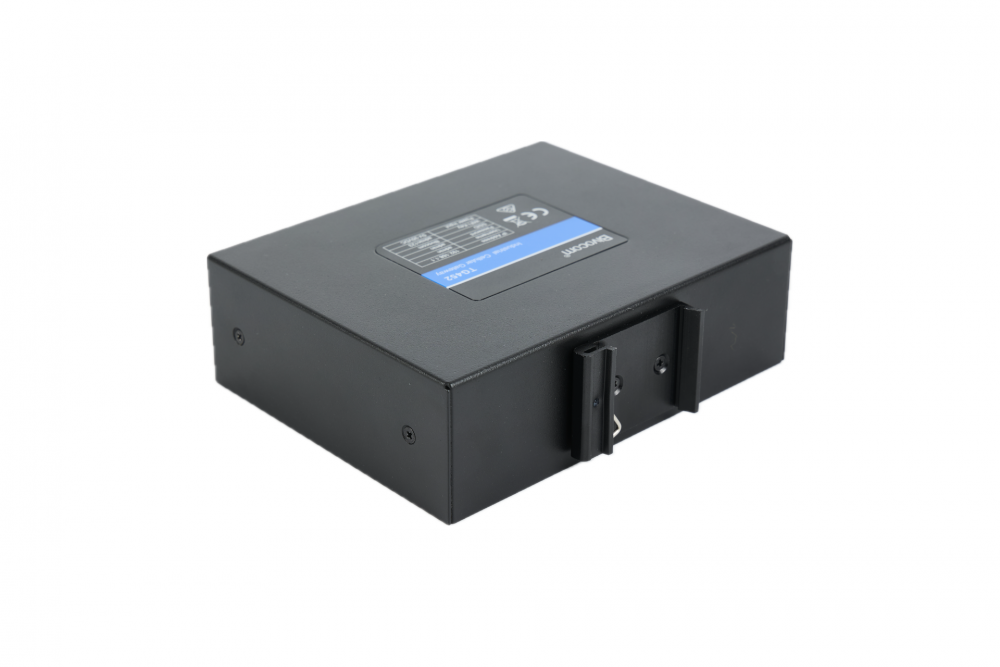
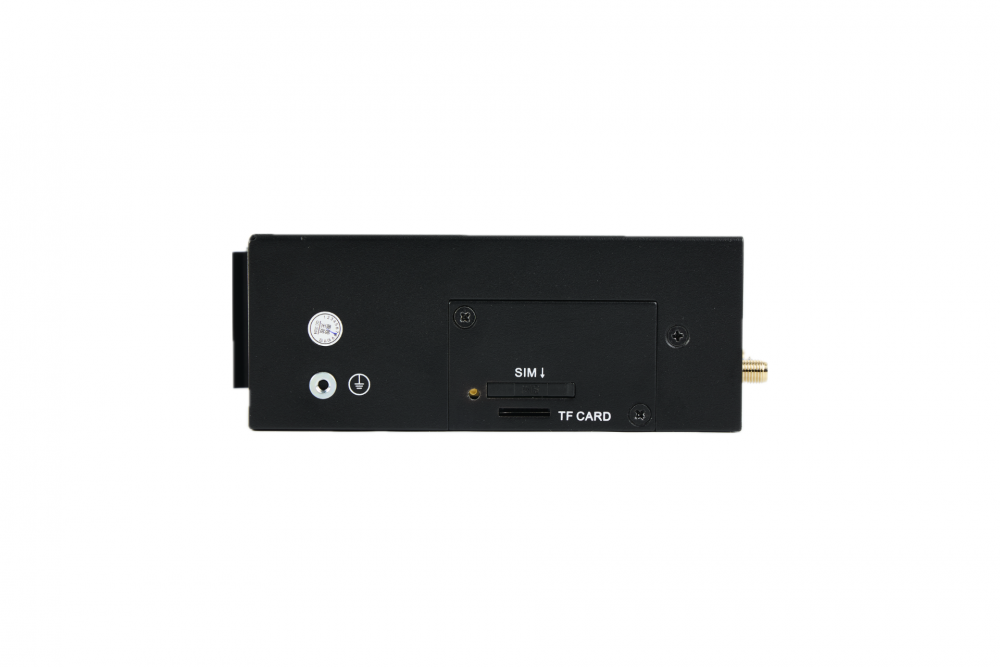
TG452: The Compact Docker Workhorse for Cost-Effective Scaling
- Run a lightweight MQTT container for sensor data ingestion and a Modbus RTU/TCP conversion container—all on 256MB RAM, with room to spare.
- Deploy containerized firmware updates across hundreds of remote TG452 units via Bivocom’s DMP, eliminating on-site visits to rural or hard-to-reach locations.
- Its -35°C to +75°C operating range ensures Docker containers keep running in unconditioned sheds or outdoor sensor nodes, where traditional IT hardware would fail.
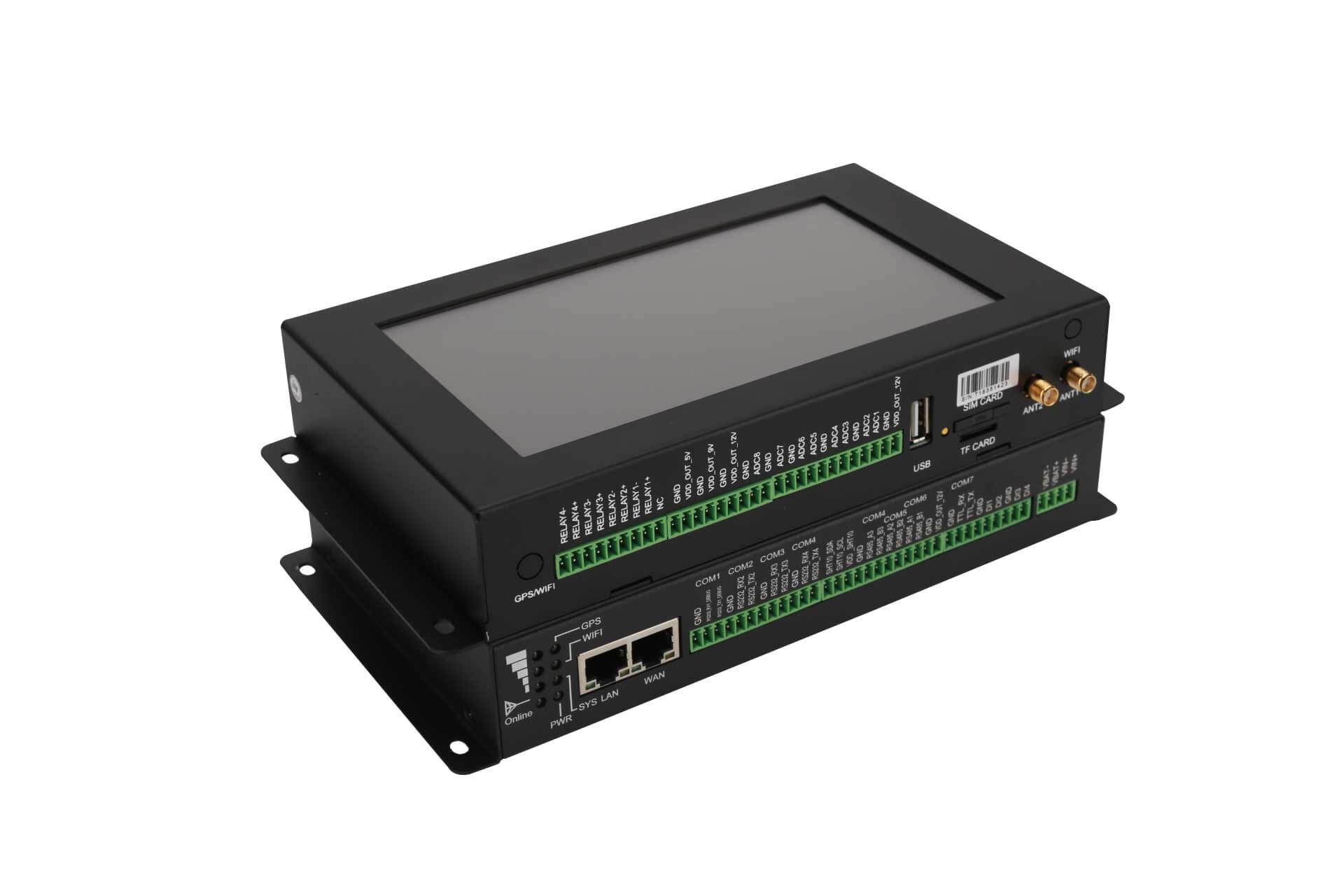
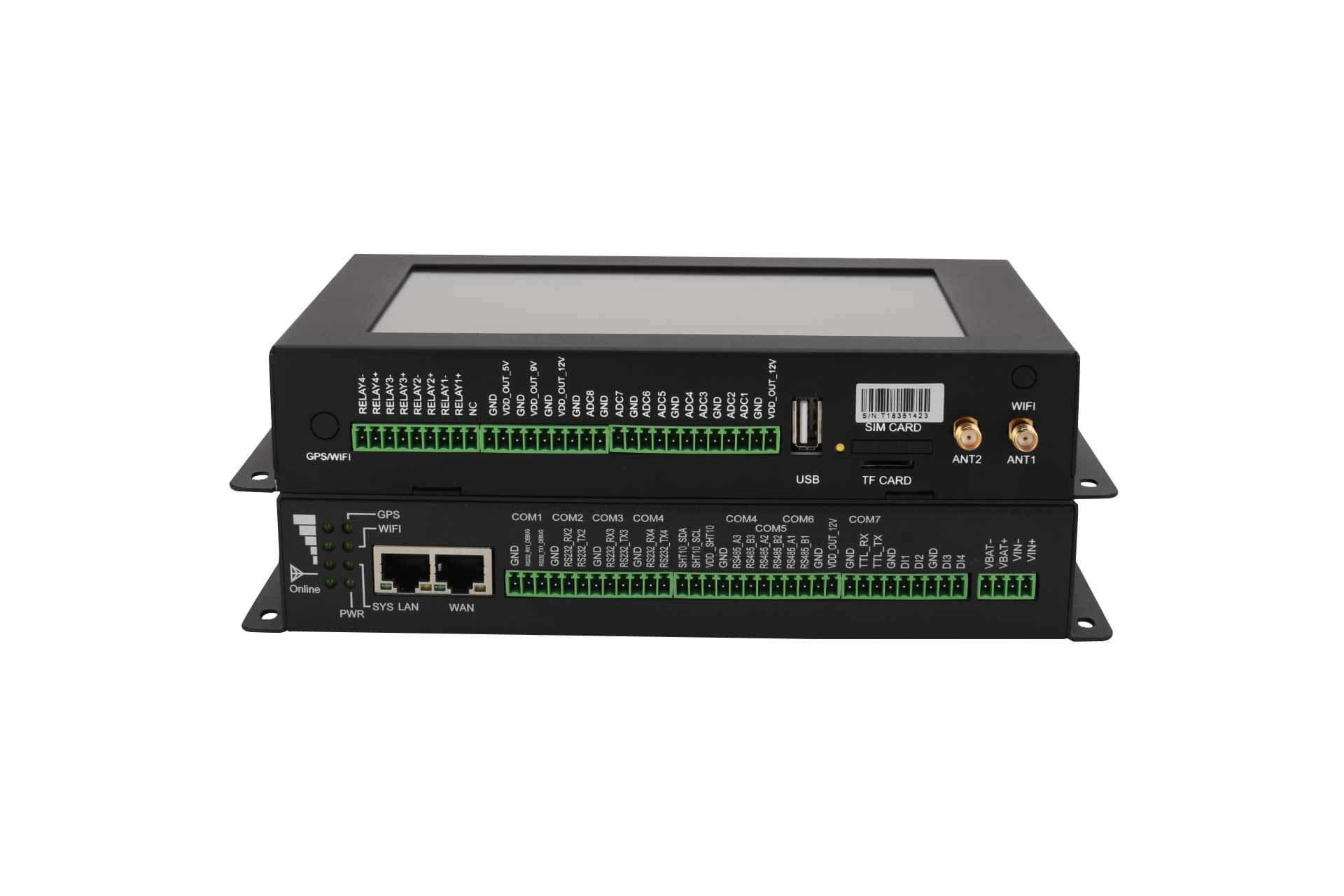
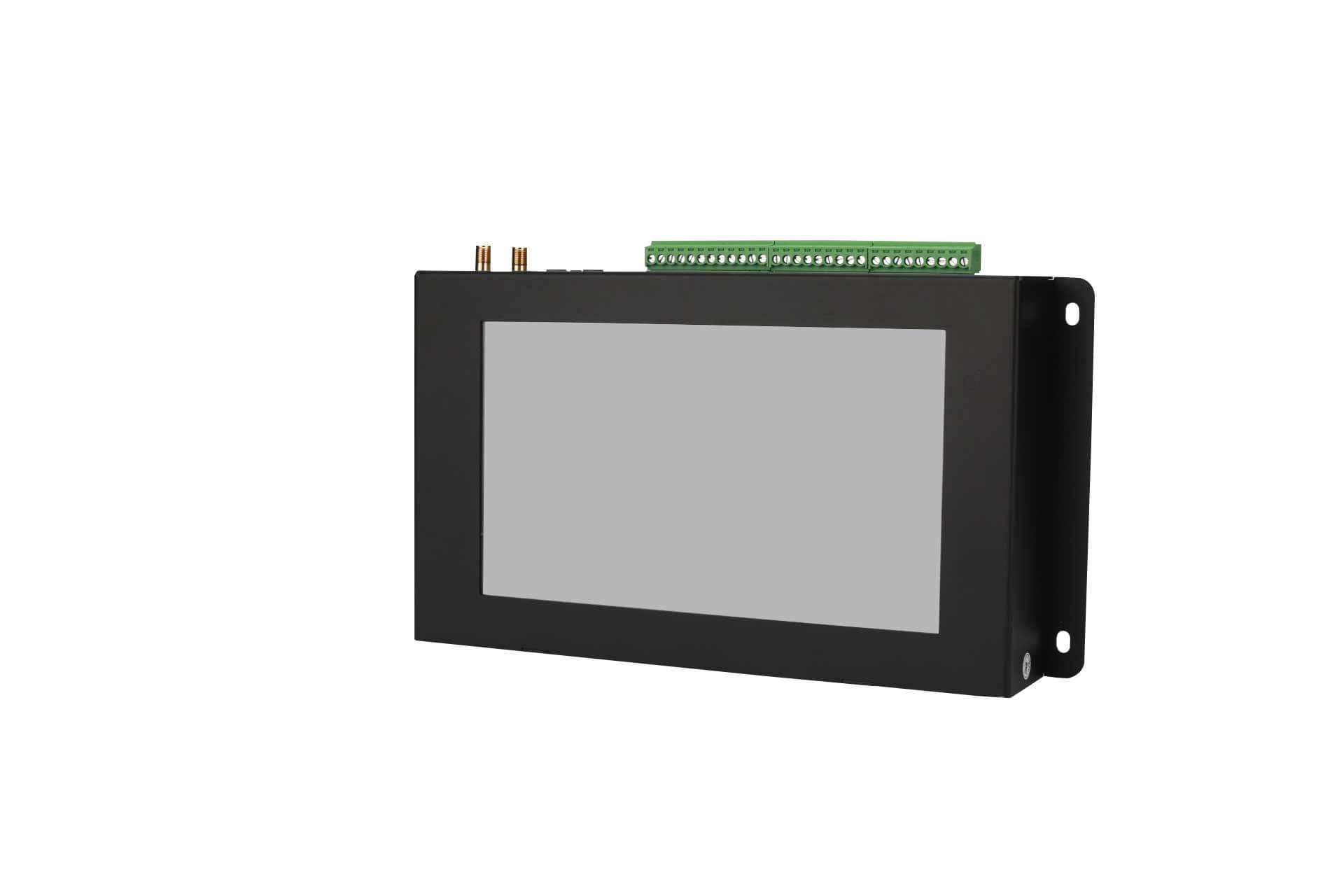
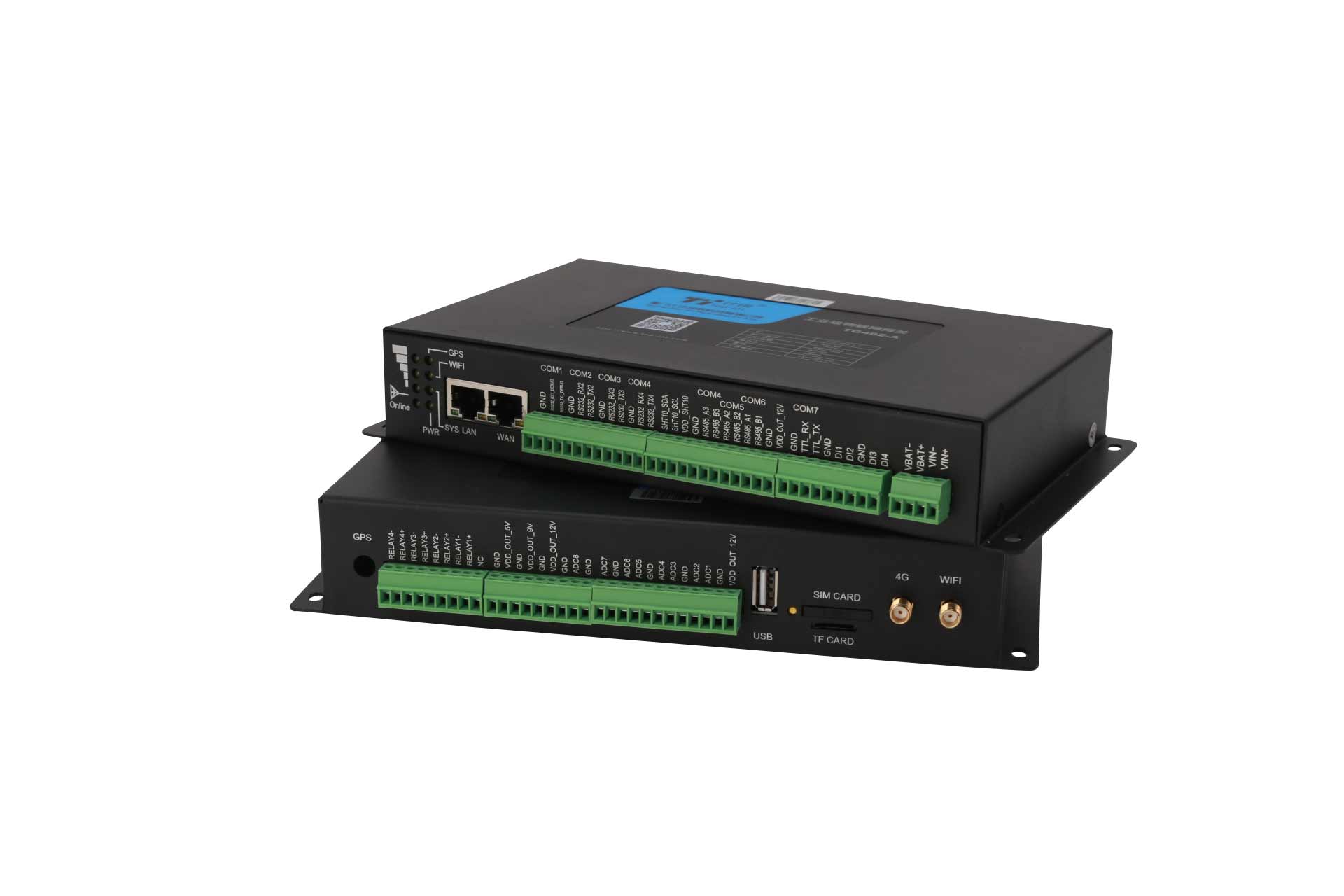
TG462/TG462S: Docker-Powered Visibility for Industrial Sites
- The TG462S’s 7-inch touchscreen displays real-time container output, letting technicians monitor IoT services without connecting to the cloud.
- Supporting custom Python containers for edge data processing—filtering noise from analog sensors before sending insights to the cloud.
- Simplifying OEM/ODM customization: Package custom workflows into Docker images, then deploy them consistently across TG462 with zero configuration drift.
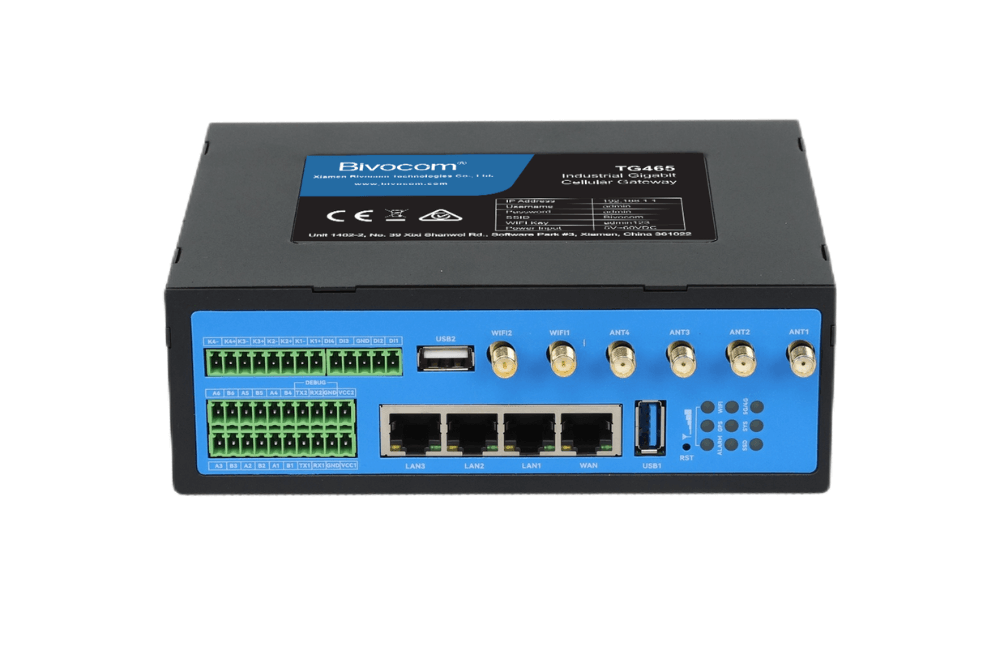
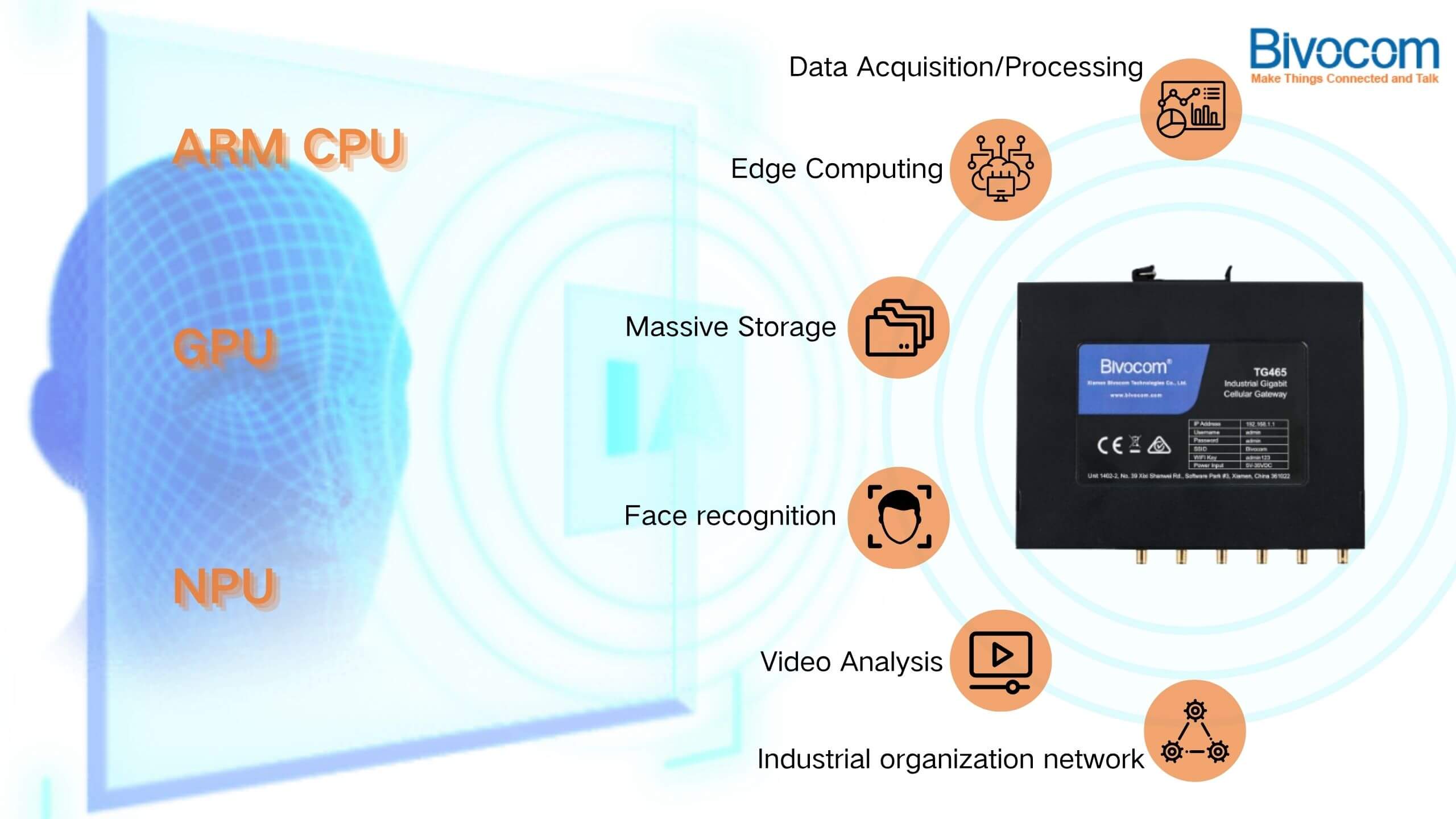
TG465: The Flagship Docker Gateway for Mission-Critical IIoT
- Run GPU-accelerated AI containers (e.g., defect detection, predictive maintenance) via the Mali-G52 GPU, with Docker isolating compute-intensive tasks from core IoT services.
- Leverage 5G’s high bandwidth to pull large Docker images (like edge analytics stacks) in seconds, even for remote solar farms or telecom sites.
- Scale storage to 2TB via NVMe SSD to host large Docker images and local databases, enabling offline processing of high-volume sensor data (e.g., 4K video from security cameras or vibration data from industrial machinery).
About Bivocom
Docker on Bivocom isn’t just a technology combination—it’s a transformation of IIoT edge computing. By uniting Docker’s containerization power (consistency, efficiency, agility, scalability) with Bivocom’s rugged hardware (GNSS/LoRa/5G routers, gateways, and RTUs), cloud platforms, and scenario-specific sensors.. We eliminate the fragmentation, complexity, and downtime that hold back IIoT projects. The result? A “deploy once, run everywhere” solution that works seamlessly across small sensor networks, industrial sites, and mission-critical AI deployments—no matter how harsh the environment.
- Developers: Focus on writing code, not wrestling with dependencies.
- Operations: Manage thousands of edge nodes as easily as one.
- Enterprises: Gain resilience, security, and the agility to adapt as requirements evolve.
Ready to Transform Your IIoT Edge?
The future of industrial edge computing is here—and it runs on Docker with Bivocom. Unleash the power of containerization across your entire fleet: “deploy once, run anywhere.” Next into our step-by-step guide (with YouTube tutorial & Docker CLI) to set up Docker on your TG465 in minutes. Contact [email protected] to start your edge journey today.
-on-Bivocom-TG465-IoT-Edge-AI-Gateway-with-Ubuntu-768x512.png "Install Ollama & Llama (LLM, large language model)) on Bivocom TG465 IoT Edge AI Gateway with Ubuntu")

Comment