Empowering industrial connectivity with open edge intelligence
Industrial IoT faces persistent challenges: closed ecosystems, inefficient development, complex maintenance, and short lifespans for edge devices. The Ubuntu IoT Gateway emerges as a solution, leveraging Ubuntu’s open-source foundation to break these barriers. Bivocom has independently explored and adapted Ubuntu for four of the flagship gateways—TG452, TG462, TG462S, and TG465—unlocking new possibilities for open development, edge computing, and industrial-grade reliability. This integration bridges Ubuntu’s proven IoT capabilities with Bivocom’s rugged hardware, creating flexible, scalable solutions for industries ranging from manufacturing to energy and transportation.
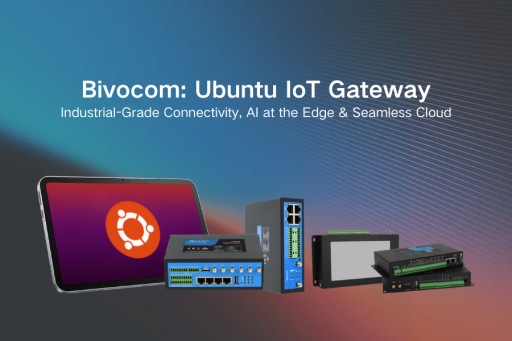
What is Ubuntu, and Why It Matters for IoT?
Ubuntu, developed by Canonical, is the world’s most widely used open-source Linux operating system—trusted by enterprises, developers, and IoT professionals globally. Unlike closed or niche OS options, it balances simplicity, security, and scalability, making it ideal for edge and IoT deployments.
Core Ubuntu Advantages for IoT
- Open Ecosystem: Access millions of open-source tools, industrial protocols, and AI frameworks—no locked-in SDKs or proprietary restrictions. This eliminates reliance on single vendors and speeds up development.
- 10-Year Long-Term Support (LTS): Ubuntu’s LTS versions deliver a decade of security updates, matching the 10–15 year lifespan of industrial equipment (far longer than the 2–5 years offered by most embedded OS).
- Cloud-Native by Design: Seamlessly supports Docker containers and lightweight Kubernetes (K3s/MicroK8s), enabling modular app deployment and cloud-edge synergy.
- Industrial-Grade Security: Ubuntu Core’s immutable system, atomic OTA updates, and AppArmor sandboxing minimize attack surfaces, keeping edge devices secure without downtimeUbuntu.
- Hardware Flexibility: Works across ARM, x86, and RISC-V architectures, perfectly aligning with Bivocom’s diverse gateway lineup.
How Ubuntu Stands Out from Other Linux Distributions
- More user-friendly than Arch Linux (no steep learning curve for developers).
- More modern and flexible than RHEL-based distros (CentOS/Rocky Linux), with faster updates for IoT innovation.
- More feature-complete than lightweight options like Alpine Linux, supporting full edge AI and data processing without sacrificing efficiency.
Ubuntu & IoT: Redefining Edge Computing
Industrial IoT no longer needs simple data relays. Today’s deployments demand low-latency processing, seamless protocol integration, secure remote management, and cloud-edge synergy—all areas where Ubuntu & Bivocom transforms standard gateways into powerful edge nodes.
Ubuntu’s Role in Industrial IoT Transformation
1. Edge Intelligence: Process Data Locally, Act Faster
Ubuntu brings AI and analytics directly to the edge. Lightweight frameworks like TensorFlow Lite and OpenVINO run natively, letting devices analyze data in under 100ms. This cuts cloud bandwidth costs by up to 70% and enables real-time responses—critical for predictive maintenance, quality control, and safety alerts.
2. Protocol Harmony: Unify Legacy and Modern Devices
Industrial sites use dozens of protocols (Modbus, OPC UA, DNP3, IEC 101/104). Ubuntu’s open ecosystem includes pre-built libraries and tools that bridge these standards, eliminating custom firmware or expensive hardware converters. Devices from different vendors now communicate seamlessly.
3. Zero-Downtime Operations: Update Without Risk
Remote industrial sites can’t afford downtime. Ubuntu’s atomic OTA updates ensure upgrades either fully succeed or roll back automatically—no “bricked” devices. Combined with AppArmor security and immutable system design, Ubuntu keeps edge nodes secure and operational 24/7.
4. Cloud-Edge Synergy: Manage at Scale
Ubuntu integrates natively with AWS IoT, Azure IoT, and Google Cloud. This lets teams deploy, monitor, and update thousands of gateways from a single dashboard. Data flows securely between edge and cloud, enabling centralized analytics while keeping critical processing local.
Why This Matters for Industry 4.0
Ubuntu doesn’t just run on IoT devices—it redefines what they can do. Gateways become intelligent hubs that collect, process, secure, and transmit data, laying the foundation for smart factories, autonomous systems, and resilient critical infrastructure.
Bivocom IoT Gateway: Ubuntu-Optimized
We has independently explored and integrated Ubuntu into four flagship gateways, combining its industrial-grade hardware with Ubuntu’s open capabilities. Each device is tailored to specific IoT needs, delivering a powerful Ubuntu IoT Gateway solution without proprietary limitations.
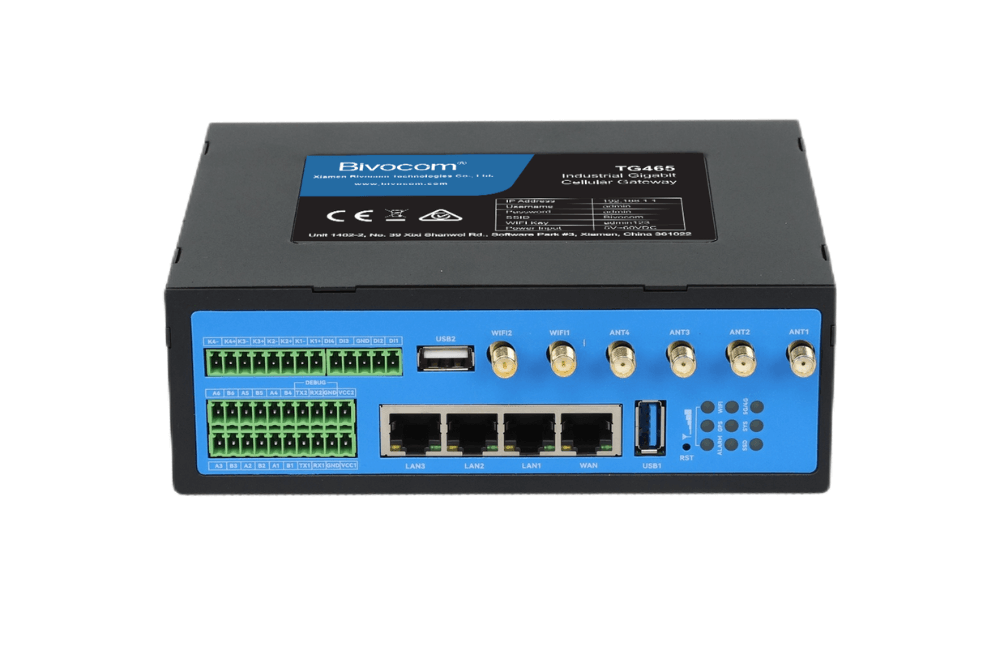
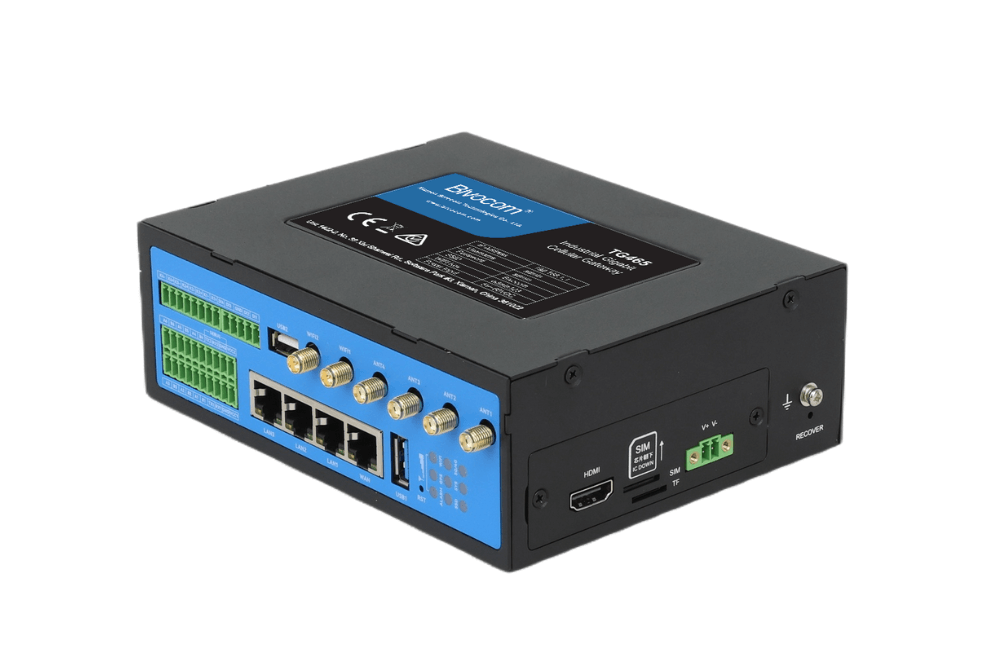
1. TG465: 5G AI Flagship Ubuntu IoT Gateway
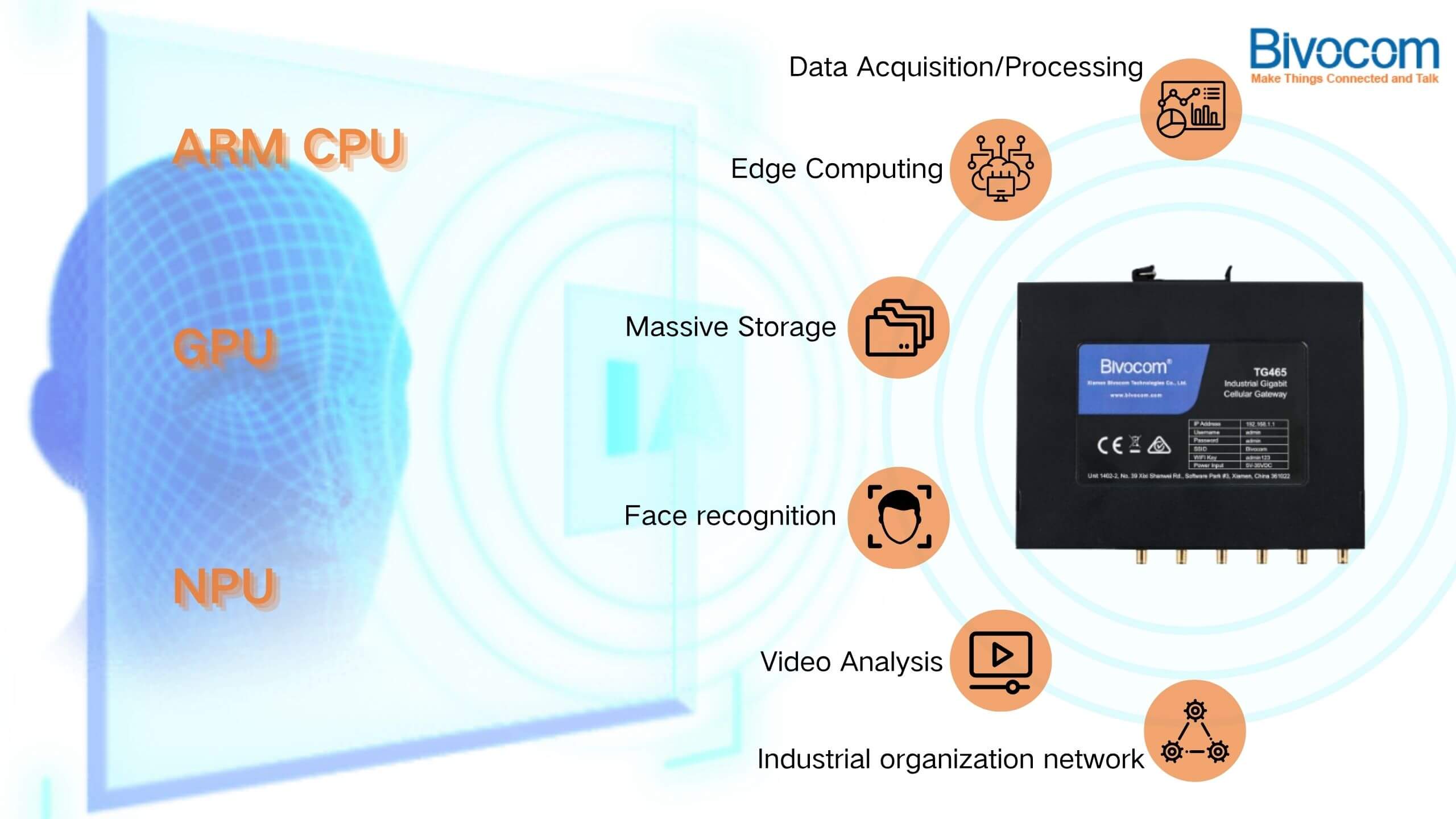
The TG465 is Bivocom’s high-end edge gateway. And its Ubuntu adaptation unlocks its full 5G and AI potential. Ideal for 5G industrial networks, smart manufacturing, and vehicle-to-everything (V2X) deployments.
- AI Acceleration: Leverages quad-core ARM CPU, NPU, and Ubuntu’s AI framework support for predictive maintenance and machine vision at the edge.
- High-Performance Processing: 8GB DDR4 (max) and 2TB NVMe SSD (option) run Ubuntu-based time-series databases (InfluxDB) for local data storage and aggregation.
- 5G Efficiency: Reduces bandwidth costs by 70% via local data processing before cloud upload.
- Modular Deployment: Docker containers split protocol conversion, AI 推理,and data reporting into independent services for flexible updates.
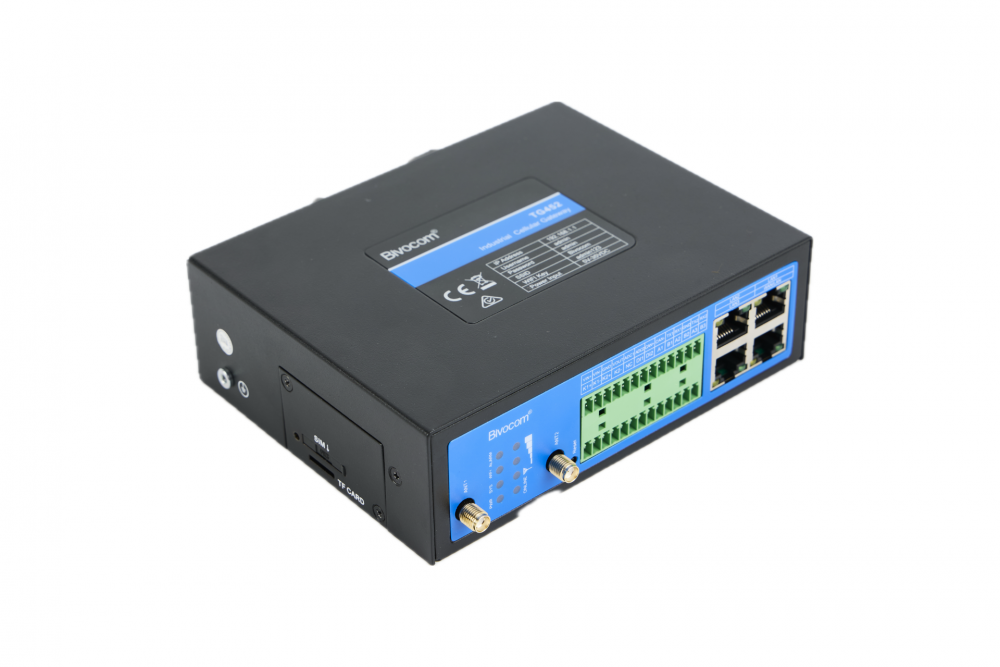
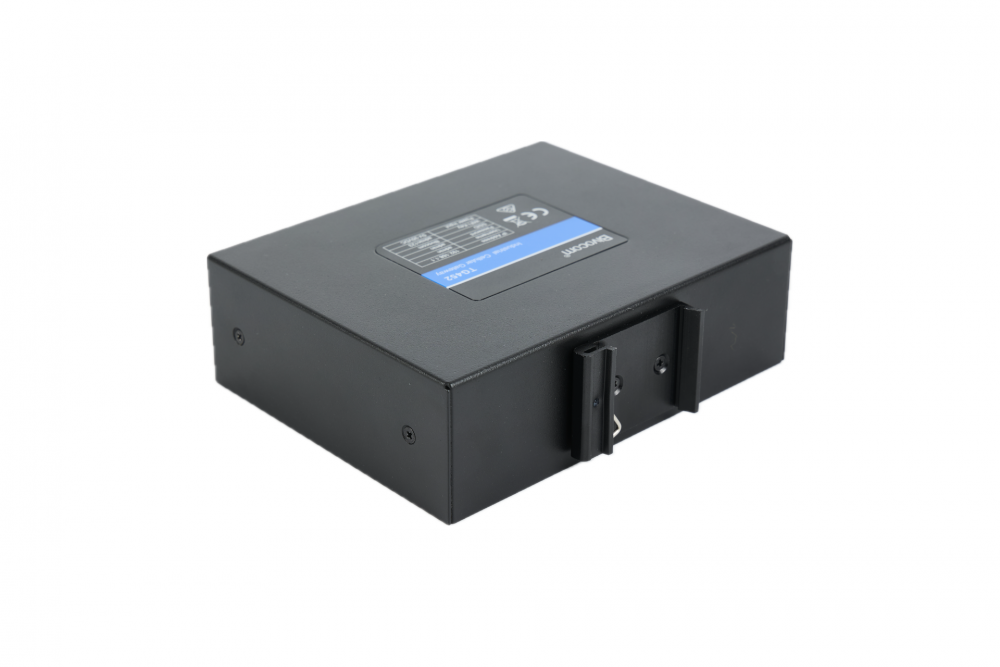
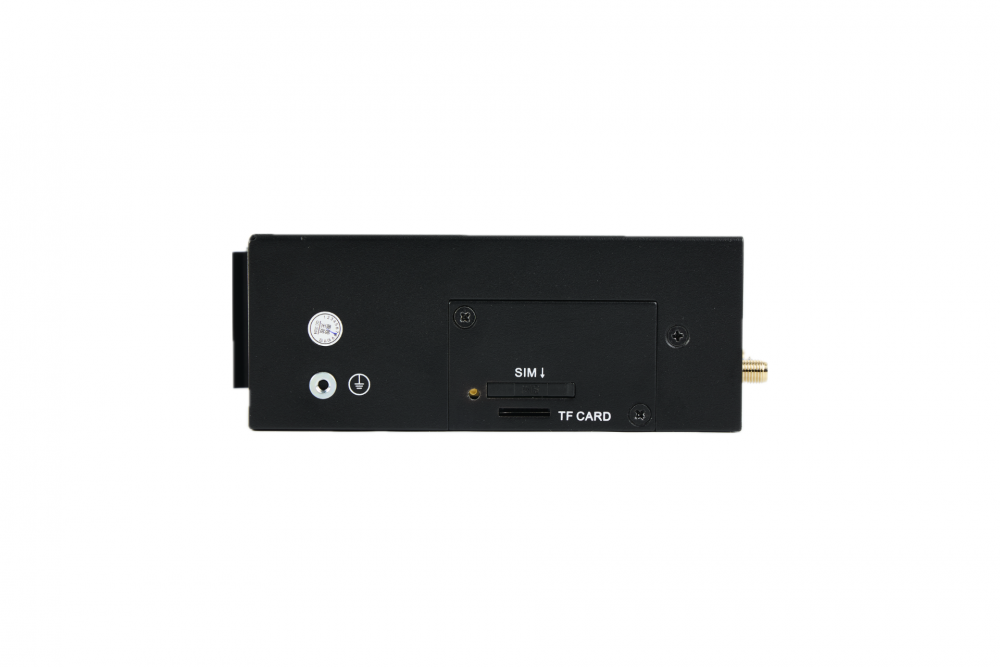
2. TG452: Lightweight Ubuntu IoT Gateway
- Lightweight Footprint: Ubuntu Core’s minimal 300MB size fits the gateway’s 1GB max flash, ensuring efficient performance.
- Rapid Development: Node-RED and Python support on Ubuntu lets developers deploy water monitoring or agriculture IoT solutions in one day.
- Cost-Effective Scalability: Docker-based app deployment supports multi-application workflows without hardware upgrades.
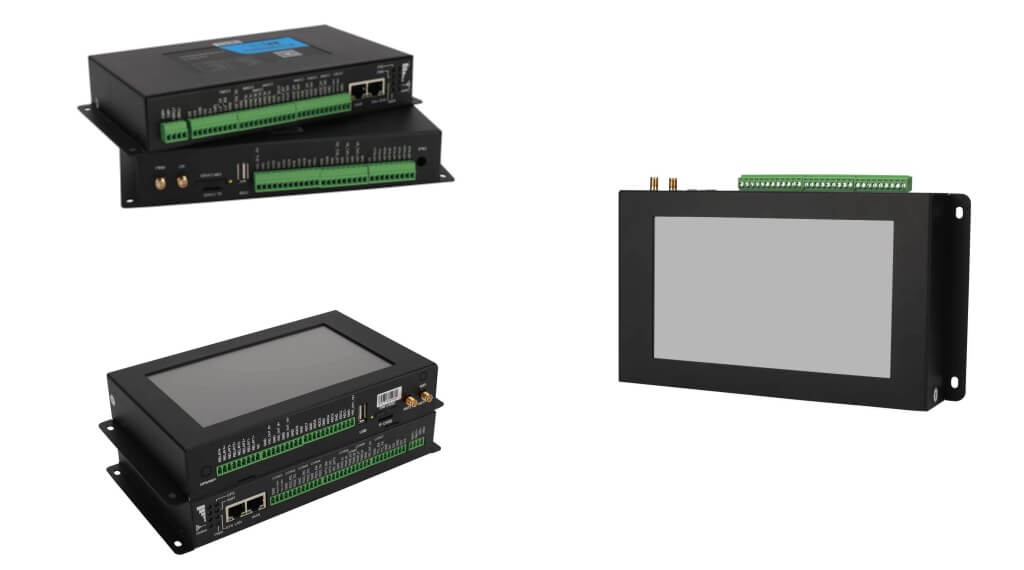
3. TG462/TG462S: Local Visualization Ubuntu IoT Gateway
- On-Site Visualization: Ubuntu runs Grafana or custom PyQt UIs on the TG462S, replacing separate gateways and HMIs to cut costs by 30%.
- Offline Maintenance: Local data storage (SQLite) lets teams access historical data and debug devices without cloud connectivity.
- Industrial Control: Directly trigger relays and configure I/O via Ubuntu’s intuitive tools, streamlining on-site operations.
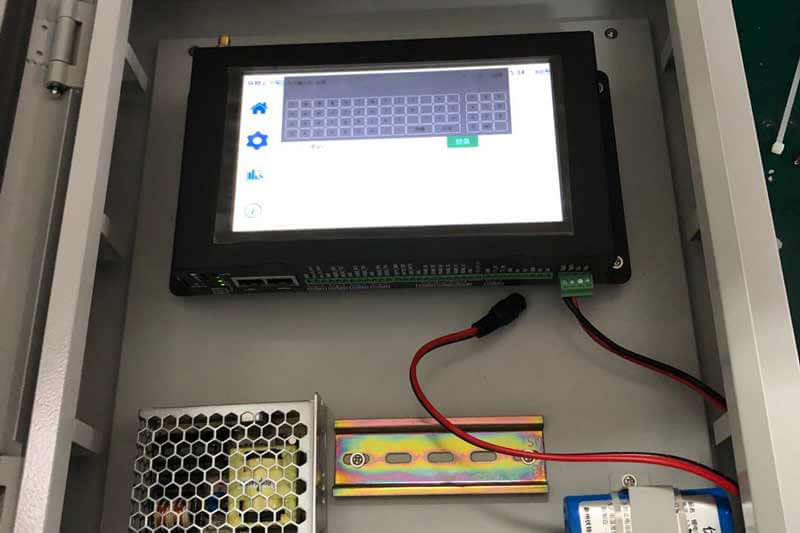
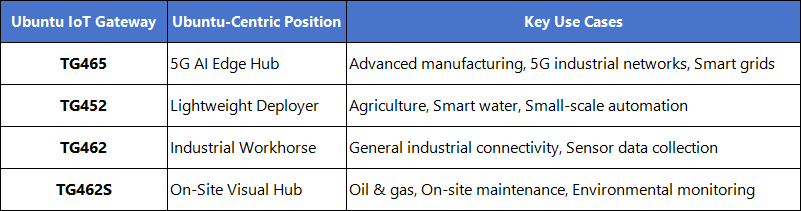
Bivocom Ubuntu IoT Gateway Comparison: Choose Your Fit
About Bivocom
Bivocom’s independent Ubuntu integration isn’t just a hardware upgrade—it’s a service-backed commitment to empowering industrial IoT success. We combine rugged, Ubuntu-optimized hardware with end-to-end services, turning open-edge potential into tangible business value for global customers.
- Schedule a Demo: See Bivocom’s Ubuntu IoT Gateway in action for your specific use case.
- Technical Support: Expert assistance for Ubuntu integration, troubleshooting, and development.
- Customized Design: Tailor Ubuntu-powered workflows to your industry needs, align with your use case to maximize edge efficiency.
Ready to architect your industrial edge?
Contact our solution experts at [email protected] for a free, customized assessment of your project needs. At Bivocom, our mission is to empower industries with open, reliable, and intelligent connectivity that builds a safer, more efficient, and sustainable world.



1 Comment