Safer & Smarter Infrastructure
Cities rely on massive manhole networks to operate drainage, wastewater, communication, power and gas facilities. However, most of these vital underground assets lack real-time data access and remote supervision, triggering frequent safety hazards including urban flooding, toxic gas leaks, cable damage and uncovered manhole accidents. Traditional manual inspection is slow, costly and high-risk for field staff. Orion Market Research: Global IoT manhole monitoring market $335M (2025) → $1B (2035), 12% CAGR, the need for smarter solutions is clear. Powered by Bivocom industrial IoT technologies, ordinary manholes can be transformed into smart connected nodes to facilitate safer, more efficient urban operation.
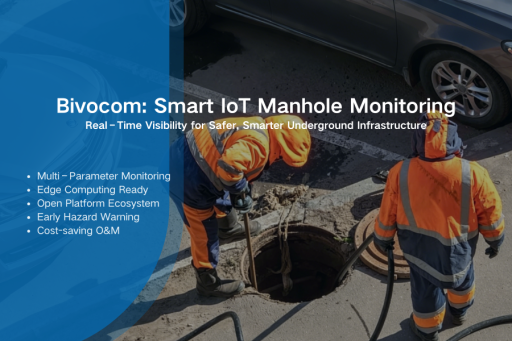
Understanding the IoT Manhole
Manholes are core underground access facilities spread all over urban areas, facilitating daily maintenance and routine inspection of buried pipelines including water supply, drainage, power, communication and gas lines, serving as fundamental components of modern urban infrastructure. IoT-enabled manholes integrate sensing, communication and edge computing technologies to realize automatic perception, data transmission and intelligent early warning of underground operating status.
 "Bivocom IoT Manhole Monitoring Classification & Core Specifications")
Why Manholes Need Smarter Monitoring
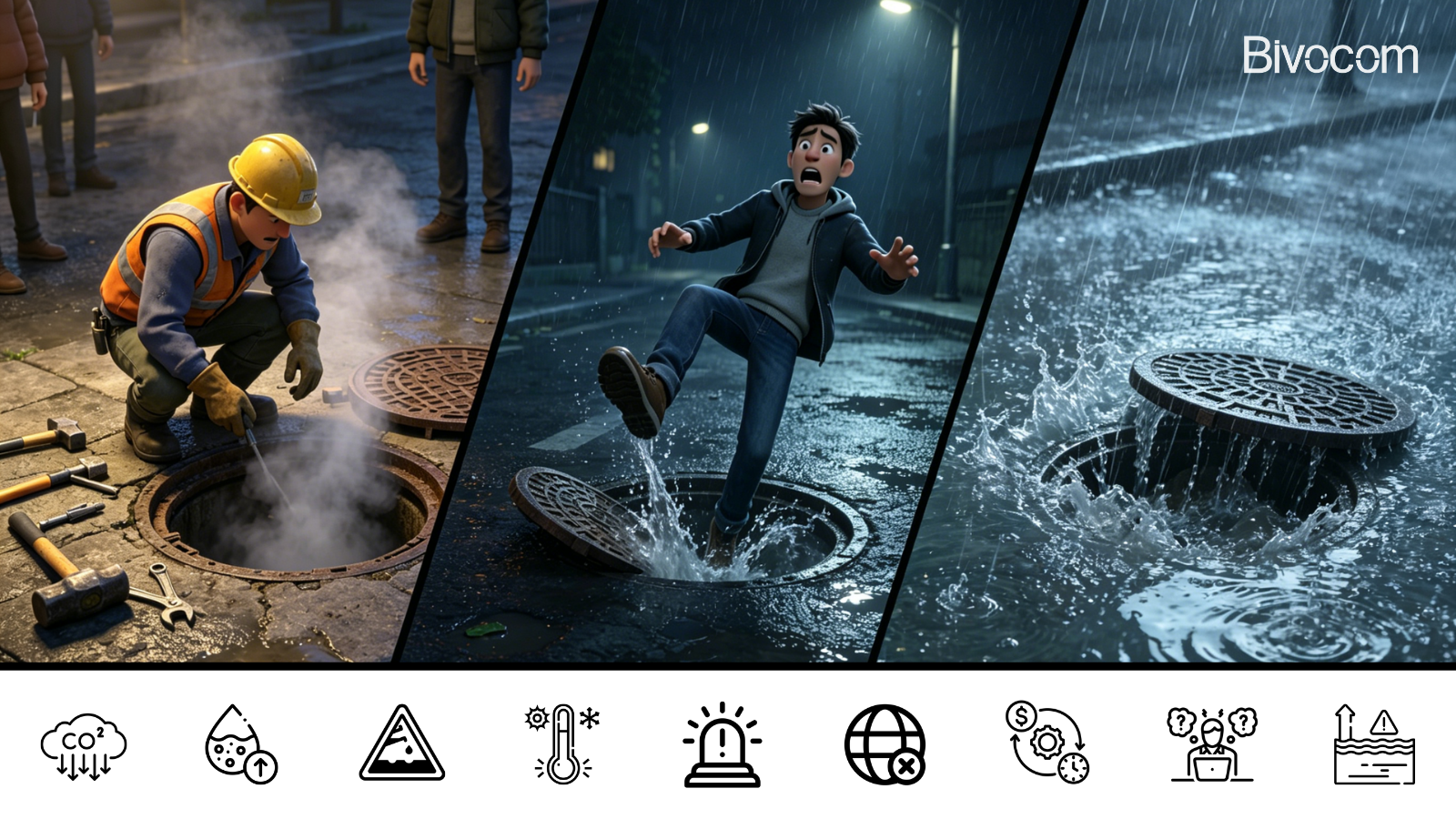
Manhole accidents happen far more often than commonly perceived. In February 2026, two field workers in Alabama, lost their lives after inhaling toxic hydrogen sulfide inside a manhole during routine maintenance. In the same month, a sanitation worker in Mumbai, India, died from toxic fumes and sudden water surges while inspecting sewer pipelines.
Beyond on-site worker casualties, unsecured open manholes remain a critical public safety hazard. In Karachi alone, 27 people, including eight children, died after falling into uncovered manholes in 2025 (Edhi Foundation).
Unmonitored manholes also drive operational and environmental costs. Aging drainage networks, increasingly overwhelmed by extreme rainfall, trigger sewage overflows and urban flooding.
What connects these tragedies? A persistent lack of real-time visibility. When manhole covers shift or break, when toxic gases accumulate, or when water levels rise above safe thresholds, no one knows until it’s too late. Manual, periodic inspections simply cannot keep pace with aging infrastructure and extreme weather. Cities need continuous, automated monitoring to detect anomalies before they escalate into disasters.
Key Challenges
- Harsh conditions: High humidity, corrosive sewage, hydrogen sulfide, and wide temperature swings damage electronics
- Limited power: Off-grid operation requires devices to maintain stable work for 5 to 10 years via batteries
- Poor connectivity: Buried 3 to 5 meters underground, soil and concrete seriously weaken wireless signals
- High maintenance difficulty & cost: Widely distributed manholes demand costly reactive manual patrols, while narrow underground interiors further complicate on-site access and repairs
- Complex monitoring: Need to simultaneously track water level, gas, cover tilt, temperature, humidity, and pipeline operating parameters
What Bivocom Brings to IoT Manhole Monitoring
Against various underground monitoring difficulties, Bivocom delivers rugged industrial IoT solutions customized for buried unattended scenarios. Our 5G/LoRa routers, industrial edge gateways and RTUs build stable data transmission links connecting on-site sensors and IoT platforms, fully meeting project demands for multi-dimensional monitoring, low power consumption, deep signal coverage and long-term stable operation. All devices support open mainstream protocols to connect sensors, enable local edge data processing and achieve seamless docking with mainstream IoT platforms.
The following four products illustrate Bivocom’s diverse capabilities for different IoT manhole scenarios. Each addresses distinct deployment needs. For specific project assistance, consult the Bivocom team [email protected] to match your requirements.
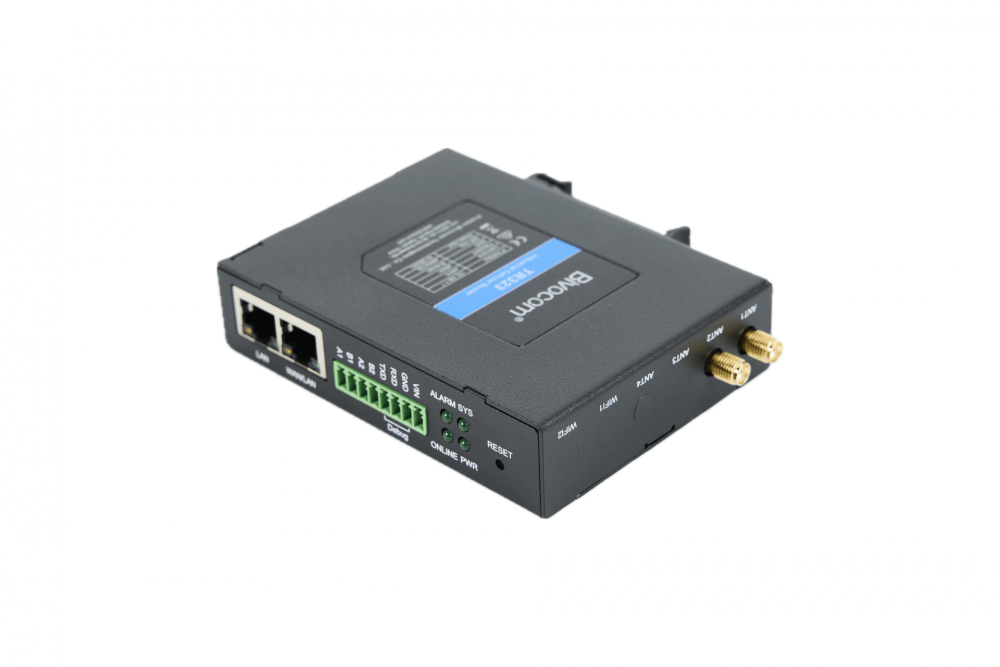
1. TR323 Compact 5G Router
Features: Compact DIN-rail design (103.5 × 78.2 × 24.1 mm, 268 g), dual-SIM network redundancy, high-speed 5G/4G transmission, versatile serial and Ethernet ports (2 × Gigabit Ethernet, 1 × RS232, 2 × RS485), support for secondary development and multiple industrial communication protocols, plus optional Wi-Fi and GNSS for asset tracking.
Manhole Scenario Value: Delivers low-latency and stable data transmission for high-volume monitoring data. Its dual-SIM failover ensures uninterrupted network connection in complex buried environments, suitable for core urban areas and key traffic sections that require efficient and reliable data uplink.
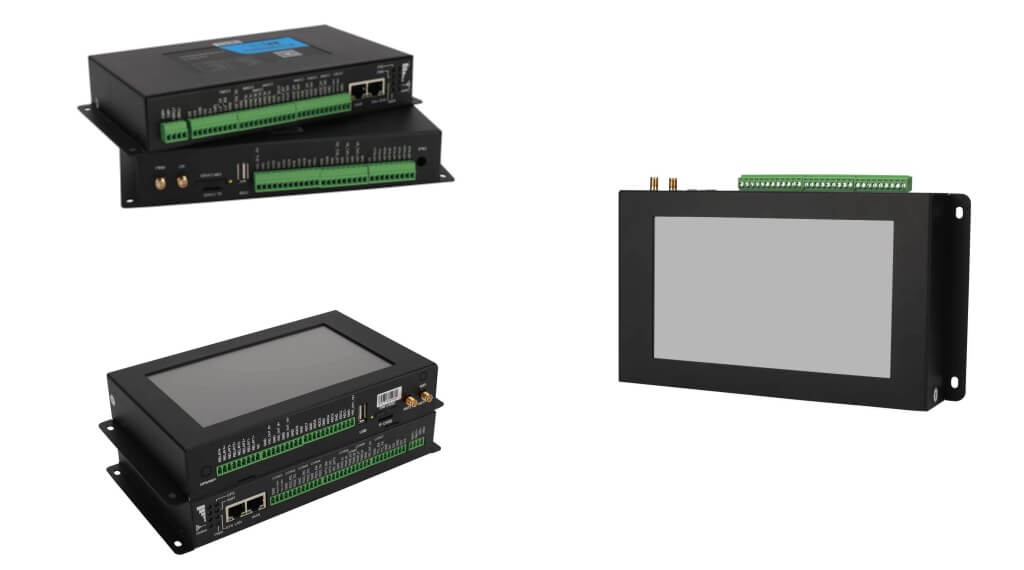
2. TG462/TG462S Touch Screen Edge Gateway
Features: High-performance 32-bit ARM Cortex-A7 processor (up to 1GB flash), powerful local edge computing capability, rich extended interfaces (2× RJ45, 4× RS232, 3× RS485, 4× DI, 8× ADC, 4× Relay), optional touch screen for on-site operation and GPS, large storage space (up to 32GB) and multi-protocol adaptation.
Manhole Scenario Value: TG462 is ideal for single and clustered manhole monitoring, supporting simultaneous detection of manhole tilt, water level, gas concentration, temperature and flow rate. Featuring ample I/O interfaces, it connects multi-brand sensors and unifies all collected data. Edge computing enables local analysis, risk judgment, and pre-alarming—reducing cloud transmission load and supporting predictive maintenance for power, gas, and drainage networks. Example: Distinguishing heavy truck vibration from actual cover tilt (>15°) cuts false alarms, avoiding unnecessary dispatches. The touchscreen enables on-site staff to view real-time operational and sensor status directly without laptops or cloud access.
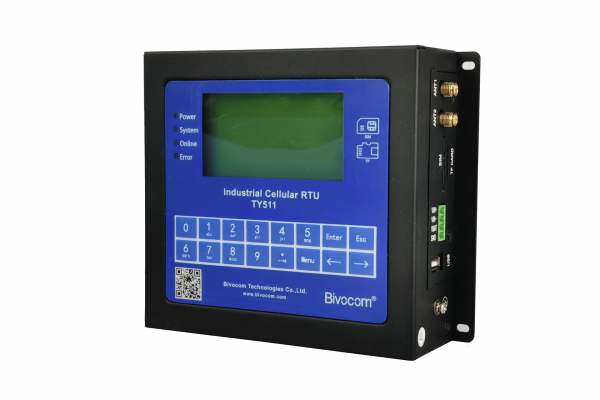
3. TY511 LCD Industrial RTU
Features: Industrial 32-bit CPU with multi-layer software and hardware protection. Multi-type I/O interfaces (2× RS232, 2× RS485, 8× DI, 8× DO, 8× ADC, 2× Pulse, 3× Power output), built-in LCD display, large-capacity local data storage, diversified industrial protocols and SMS alarm function, wide voltage input and excellent wide-temperature adaptability.
Manhole Scenario Value: TY511 is designed for municipalities and utilities with existing SCADA systems (water, wastewater, gas). It supports basic full-parameter collection: manhole cover status, gas concentration, water level, temperature, and humidity. With 16MB local storage, it logs sensor data during cellular outages (common in deep manholes) and uploads once signal returns. The LCD screen enables on-site verification of readings, and SMS alarm provides a backup channel for critical alerts (toxic gas, sudden water rise, cover opening) when the cloud is unreachable.
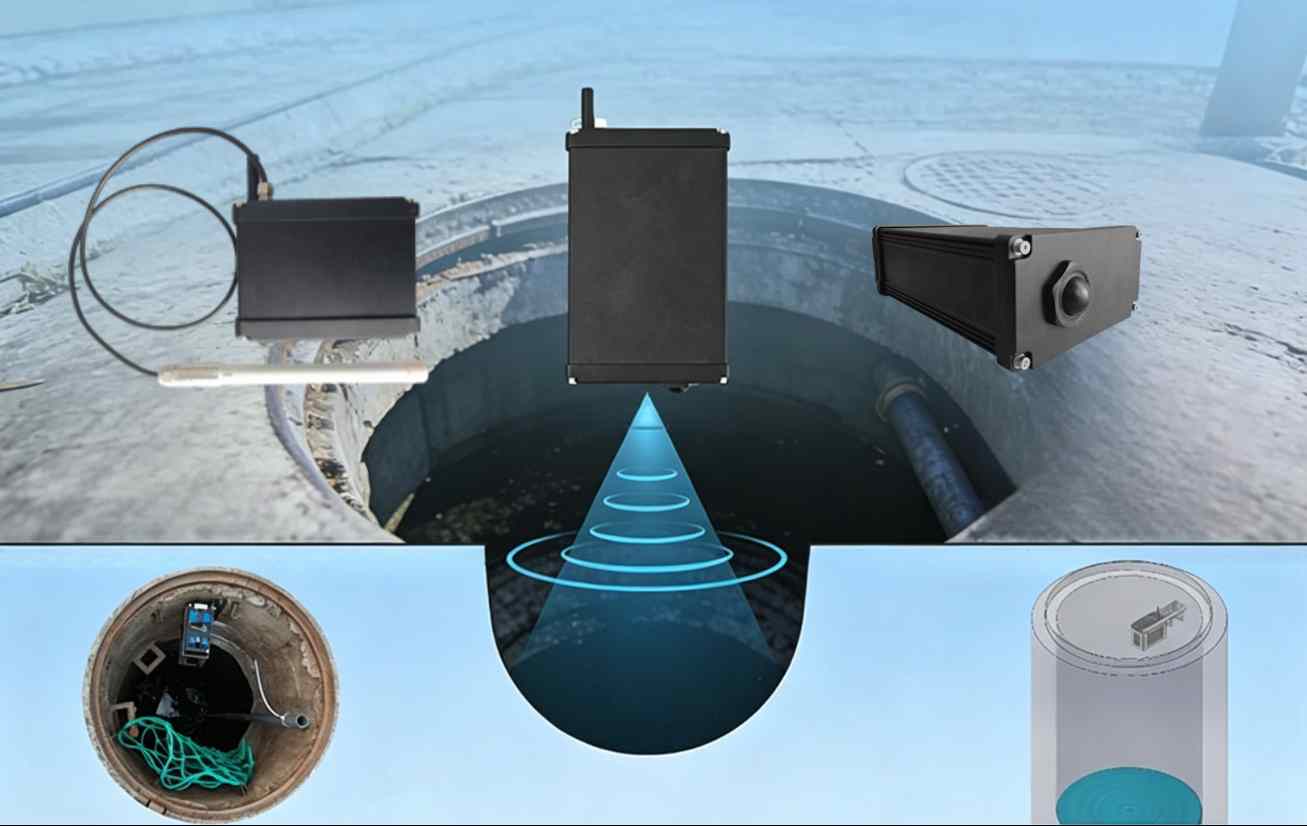
4. TY122 Integrated Radar Level RTU Sensor
Features: Optimized for underground buried scenarios with enhanced anti-corrosion/anti-interference, low power consumption, and strong signal penetration. Integrates 80GHz FMCW radar (±2mm accuracy, 3° beam angle, 0.06–10m range / optional 40m) with 4G CAT.1 or LoRa, battery, and sensor in one IP68 (R10) enclosure. 57Ah lithium battery (upgradeable to 209Ah). Bluetooth APP commissioning, non-contact measurement immune to corrosive or sediment-laden liquids.
Manhole Scenario Value: Tailored for long-term unattended deep-buried manholes, it solves signal attenuation, damp-induced failures, and frequent battery replacement—adapting perfectly to high-humidity, corrosive, and poor-signal environments. Traditional contact sensors (float switches, hydrostatic pressure sensors) fail due to sediment, corrosion, or jamming. The TY122’s non-contact 80GHz radar (±2mm) penetrates dust, condensation, and debris. Its all-in-one design needs no external wiring or power supply: attach to the manhole wall, configure via Bluetooth in minutes, and it transmits data for years.
IoT Platform Integration: Data → Action
Hardware captures field data, while professional IoT platforms transform raw readings into manageable operational value.
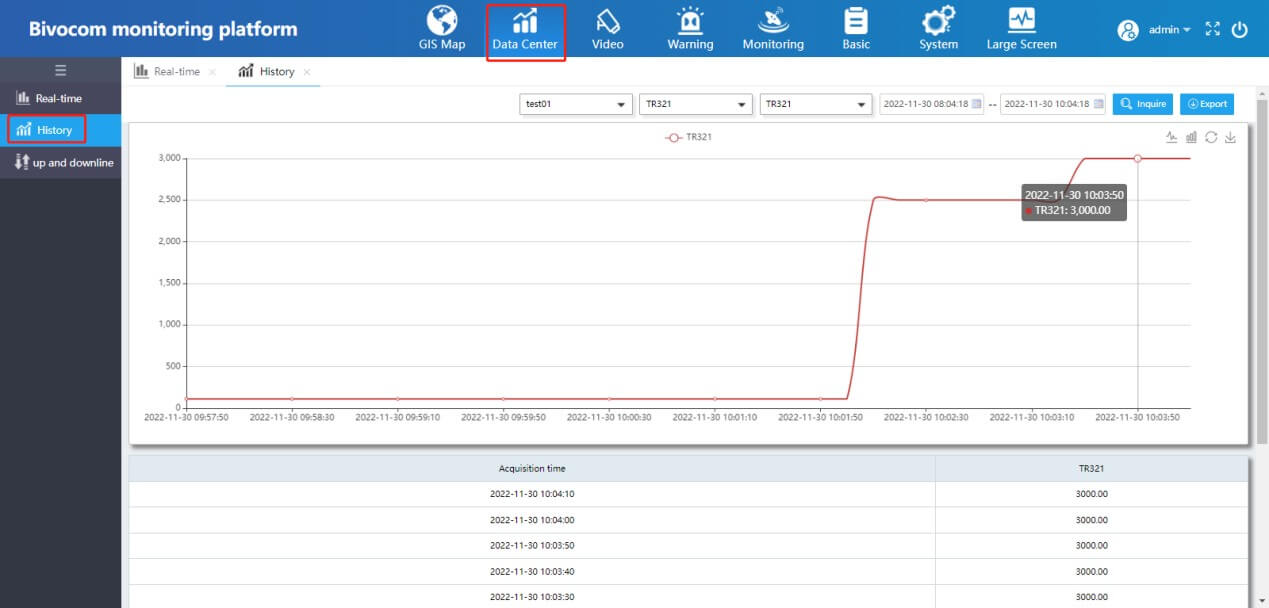
- Bivocom Device Management Platform (DMP): Provides remote configuration, over‑the‑air firmware updates, real‑time connectivity monitoring, and basic data visualization. It simplifies initial deployment and ongoing maintenance for small to medium‑scale projects.
- Industry‑Specific IoT Platforms: Bivocom also offers tailored platforms for smart street lighting, agriculture, transportation, environmental monitoring, energy, reservoir management, and more. These platforms are built around specific industry workflows and user habits, accelerating time‑to‑value for vertical solutions.
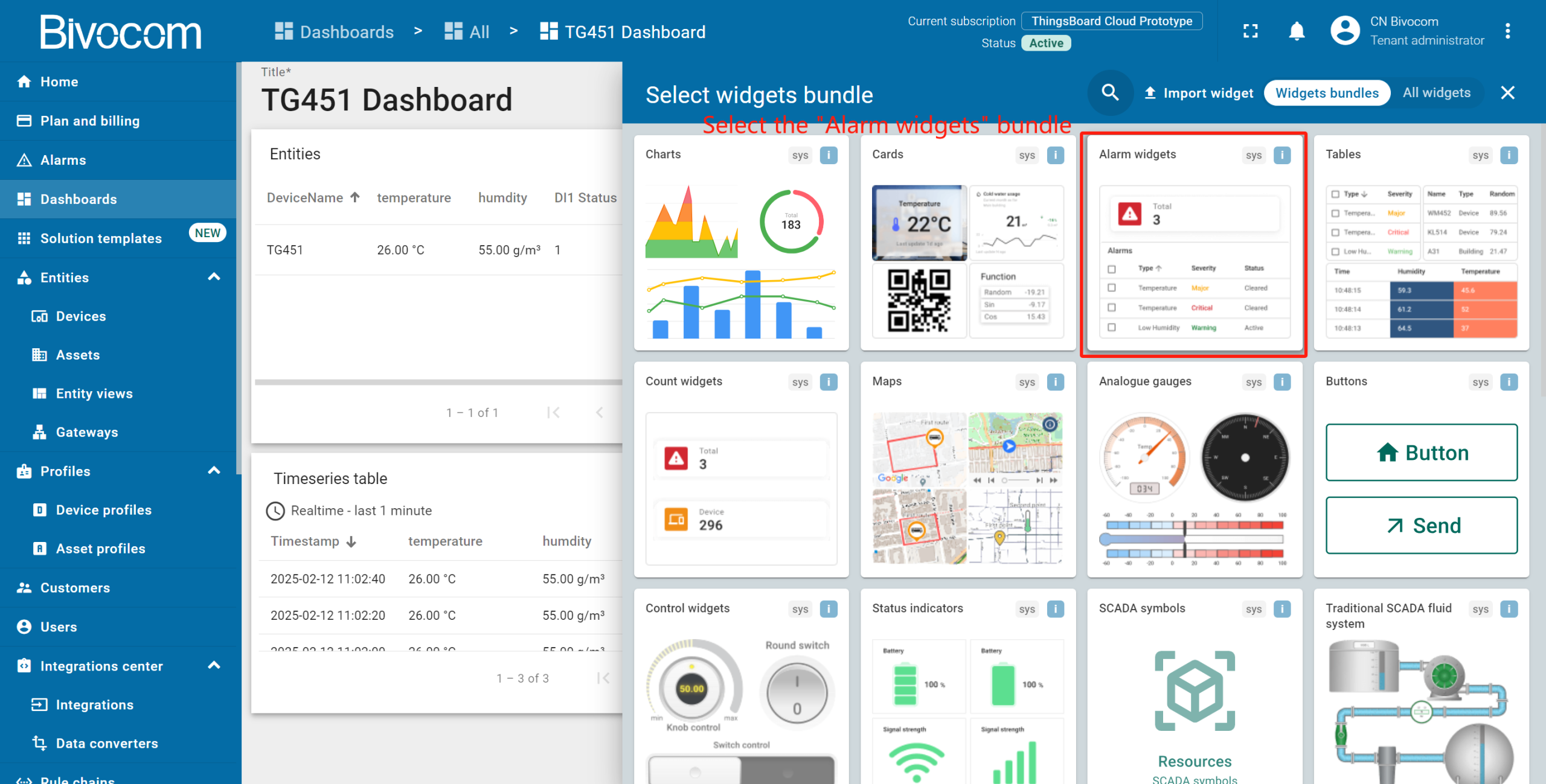
- Third‑Party Platform Compatibility: Bivocom maintains ongoing compatibility testing with leading industry IoT platforms. Devices support standard industrial protocols including MQTT, Modbus RTU/TCP, JSON, and HTTP, allowing seamless integration with most mainstream IoT platforms without proprietary lock‑in. For government and enterprise customers with existing platform investments, this open architecture ensures that manhole monitoring data can flow directly into existing dashboards and workflows.
For manhole monitoring, IoT platform integration unlocks several key capabilities.
- GIS‑based “single map” management: Display the location, status, and operational data of all manholes on one unified electronic map for intuitive city‑wide asset oversight.
- Intelligent rule engine: Customize multi‑condition alarm logic based on actual scenario needs, achieving layered warning and risk grading (e.g., “cover tilt >15° for 10 seconds + methane > threshold = highest priority alarm”).
- utomated closed‑loop workflow: Alarms automatically generate maintenance orders, dispatch the nearest staff, and form a full‑cycle management loop from monitoring and alerting to on‑site handling and feedback.
- Real‑time dashboard & historical analytics: Visualize current sensor readings and trends. Query historical data for compliance reporting or root‑cause analysis.
- Predictive maintenance alerts: Use accumulated data to forecast blockages, cover settlement, or cable overheating before failures occur.
- Multi‑tenant & role‑based access: Securely share manhole data among water, power, gas, and transport departments with fine‑grained permissions.

Value of IoT Manhole with Bivocom
Deploying IoT Manhole empowered by Bivocom creates measurable social, operational and economic value:
- Public safety: Real-time early warning effectively eliminates manhole fall accidents and hidden gas explosion risks.
- Operational efficiency: The shift from periodic manual inspection to continuous automated monitoring changes the economics of infrastructure management. Response times drop from hours to minutes.
- Cost optimization: Precise fault location cuts blind inspection routes and reduces overall manpower and logistics waste.
- Data-driven decision: Accumulated long-term monitoring data supports predictive maintenance, pipeline renovation planning and smart city decision-making.
- Environmental & low-carbon benefits: Early warning prevents sewage overflow and water pollution. Ultra-low-power hardware reduces battery replacement frequency, lowering overall carbon footprint.
These capabilities translate directly into five key infrastructure sectors. In drainage and wastewater, IoT manholes monitor water level changes, predict waterlogging risks, and detect pipeline siltation. For communication networks, they track internal dampness and temperature to prevent cable damage from water ingress. Power grids benefit from equipment temperature monitoring and unauthorized access detection to ensure supply safety. Gas utilities gain real-time leakage detection and pipeline pressure monitoring to prevent explosion accidents. Finally, smart city public safety applications track cover displacement and vibration to deter theft and protect pedestrians.
About Bivocom
Traditional manholes have long remained invisible and underestimated urban assets. Yet they carry the core operation of drainage, power, communication and gas networks that sustain modern cities. With industrial-grade hardware reliability, rich product matrix, third-party platform ecological compatibility and global practical project experience, Bivocom provides one-stop, stable and scalable support for IoT Manhole deployment worldwide. It solves public safety hidden dangers, cuts heavy manual inspection costs, avoids flood and leakage losses, and provides reliable data foundations for urban refined governance and long-term planning.
- Tailored End-to-End Solutions: Full IoT chain coverage (hardware, software, platform) with customization for local underground environments and project needs.
- Open & Future-Proof: Standard protocols and multi-platform compatibility avoid vendor lock-in and protect your investment.
- Global Support & Local Expertise:Factory provisioning, deployment guidance, and field troubleshooting across 90+ countries.
- Long-term Stable After-sales Service: Offer reliable product quality assurance and remote rapid troubleshooting support
Ready to Build Safer Underground Infrastructure?
What’s next? We’ll show you exactly how Bivocom’s IoT manhole solution works in our upcoming article. Reach out to Bivocom today at [email protected]. We will customize exclusive cost-effective intelligent monitoring schemes to help you realize full digital management of urban manhole assets.
-on-Bivocom-TG465-IoT-Edge-AI-Gateway-with-Ubuntu-768x512.png "Install Ollama & Llama (LLM, large language model)) on Bivocom TG465 IoT Edge AI Gateway with Ubuntu")
1 Comment