Seamless Field Connectivity in Minutes
Water scarcity, stringent environmental regulations, and aging infrastructure are mounting pressures faced by municipalities and industries worldwide. Today, the industry is accelerating a definitive shift: moving away from manual spot-checks toward continuous, automated, IoT-driven real-time monitoring.
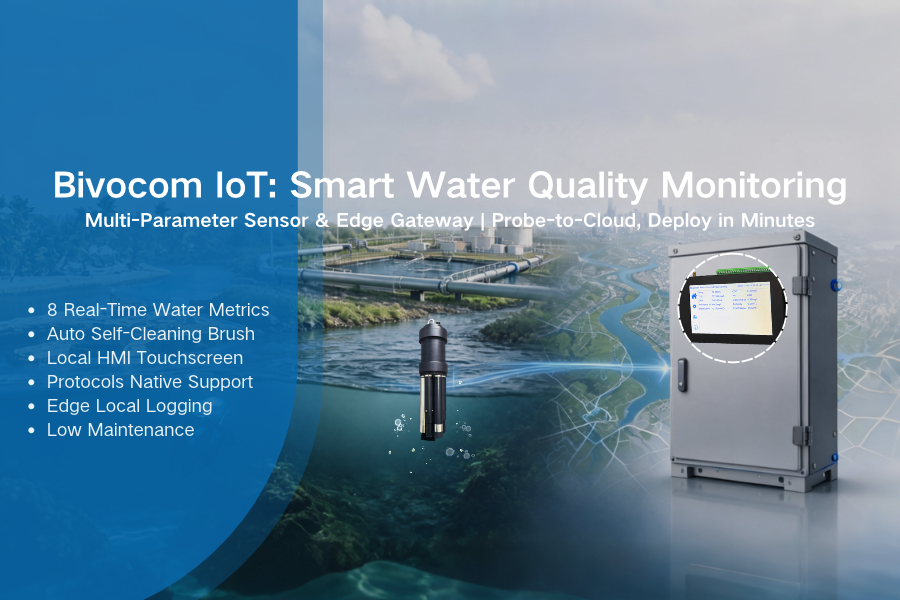
At Bivocom, we bridge the gap between harsh outdoor aquatic environments and cloud-based analytics. Rather than acting as isolated components, we deliver a factory-ready, end-to-end ecosystem from water surface to cloud. By combining our robust industrial edge gateways with our advanced BQ400 Multi-Parameter Water Quality Sensor, we provide a seamless plug-and-play solution designed for extreme operational environments—from remote river basins and municipal wastewater treatment plants to smart aquaculture and groundwater wells.
In this blog, backed by rigorous lab bench-testing and field-proven deployments, we walk you through how to wire, configure, and deploy a complete edge-to-cloud water monitoring node in minutes.
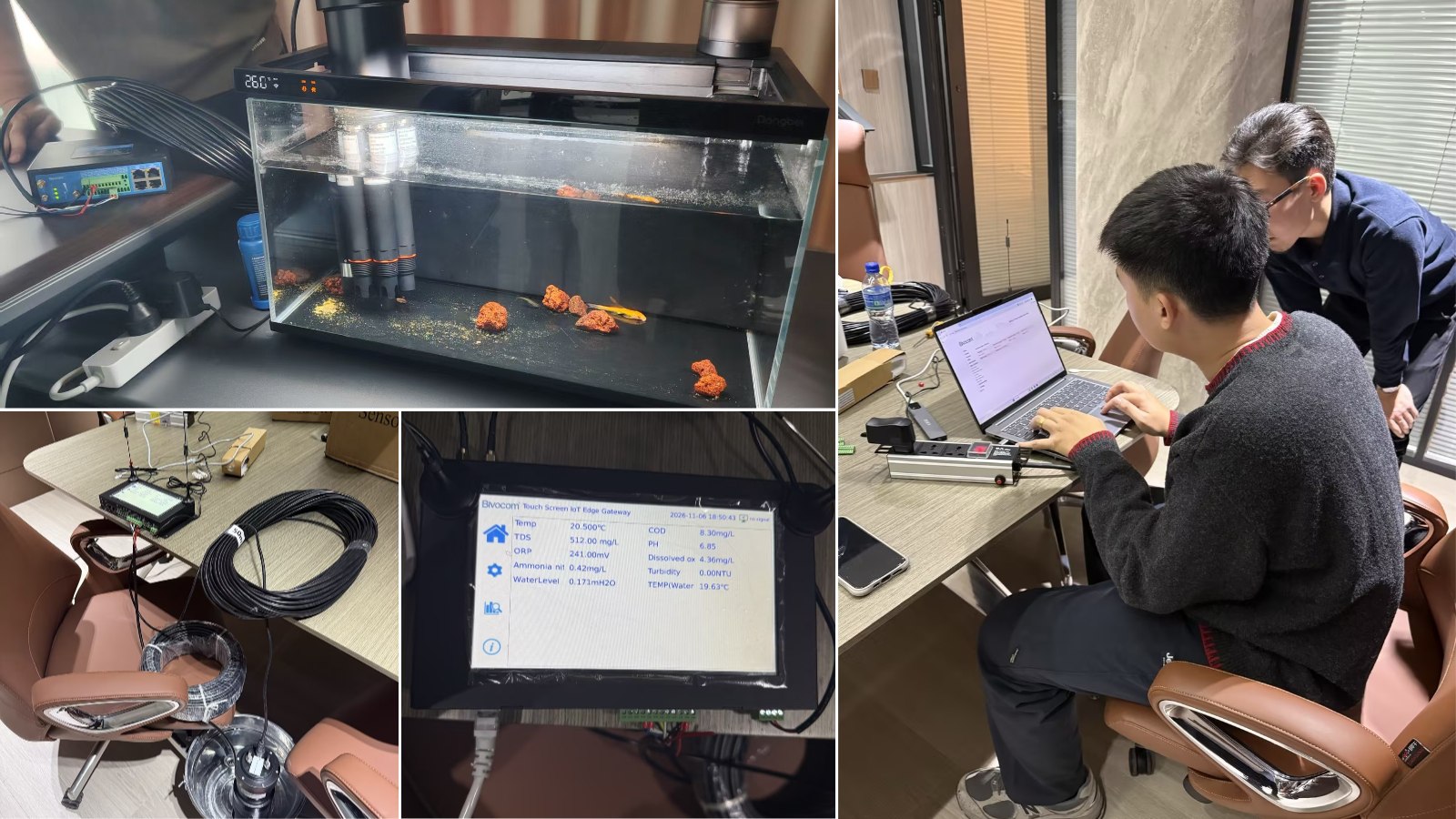
Hardware Synergy: Water Quality Sensor Meets IoT Gateway
Building a reliable remote station requires hardware engineered for uncompromising field reliability. Let’s examine the core components of our deployed solution.
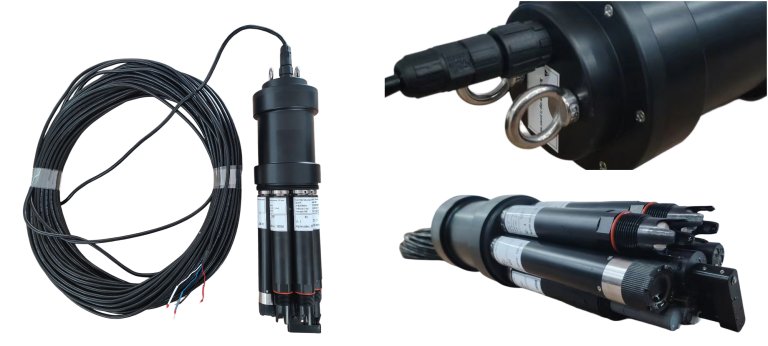
BQ400: All-in-one Online Multi-parameter Water Quality Sensor
- 8 Simultaneous Chemical & Physical Metrics: The BQ400 measures a comprehensive suite of vital water quality parameters in real-time, including pH, Dissolved Oxygen (DO), Oxidation-Reduction Potential (ORP), Total Dissolved Solids (TDS), Turbidity, Chemical Oxygen Demand (COD), Ammonia Nitrogen, and Temperature.
- Low Maintenance & Self-Cleaning Design: Biofouling and microbial adhesion are primary killers of field sensor accuracy. The BQ400 features a built-in automatic self-cleaning brush mechanism that dramatically extends maintenance intervals and reduces manual on-site inspection frequency.
- Rugged Build: IP68 waterproof rating, RS-485 Modbus/RTU protocol output, and low power consumption (5W @ 12V), making it ideal for solar- and battery-powered remote sites.
- Modbus & Register Architecture: Communicates via standard Modbus/RTU. Each parameter uses a dual-register format (value + decimal factor) which Bivocom gateways automatically parse.
- Transparent Pass-Through Mode: Can act as a Modbus gateway for sub-devices using specific control registers, allowing seamless remote configuration and calibration without complex scripting.
Edge Gateways: Industrial-Grade Connectivity & On-Site Processing
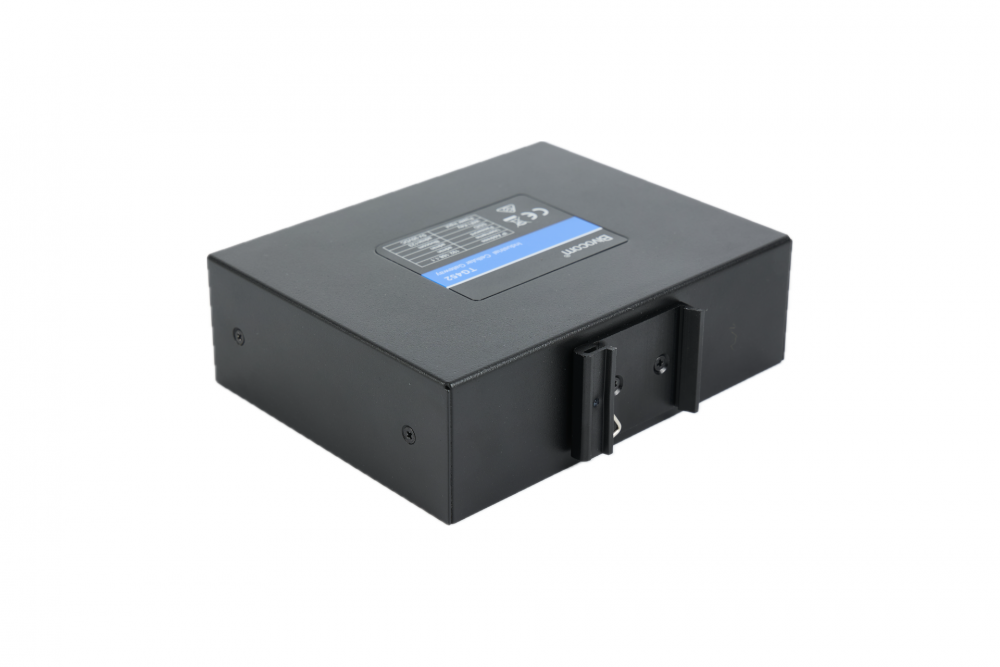
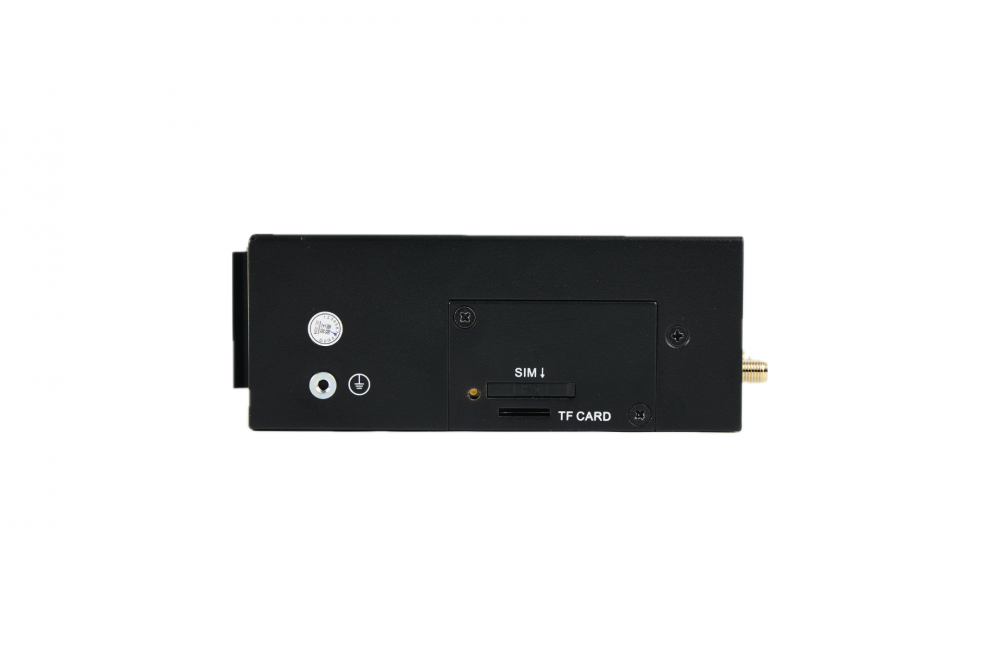
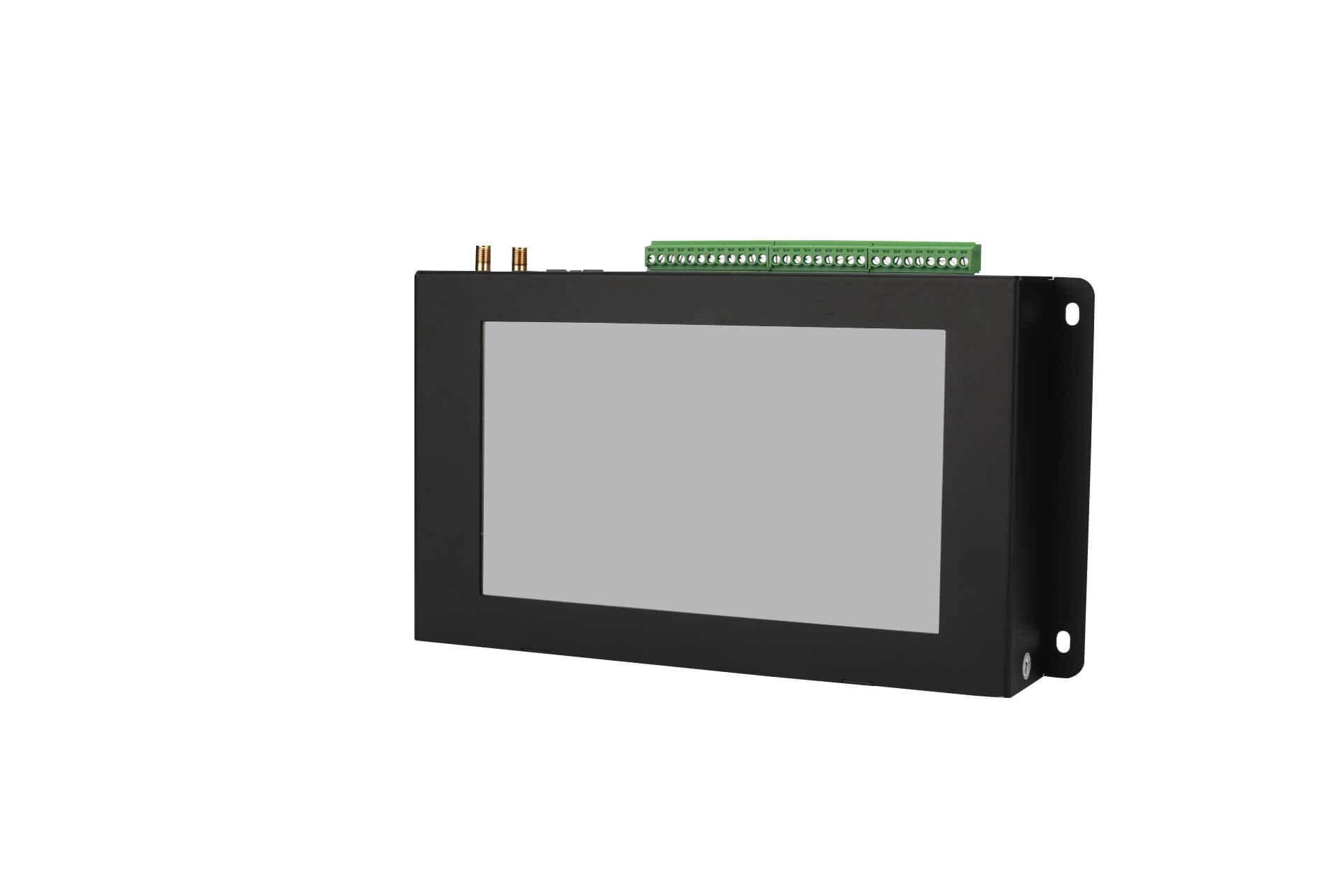
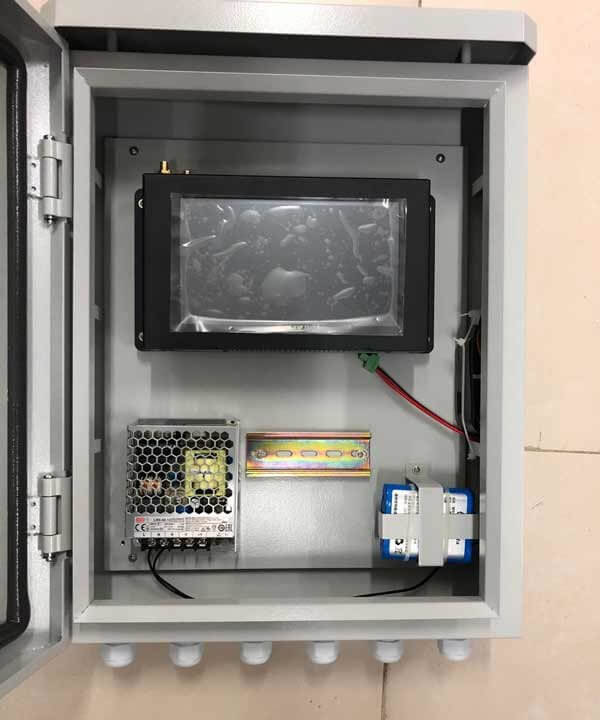
Bivocom delivers field-proven industrial connectivity hardware and solutions tailored for mission-critical deployments worldwide. Our robust product portfolio spans GNSS/LoRa/5G routers, gateways, RTUs, IoT platforms, scenario-specific sensors, backed by flexible OEM/ODM customization capabilities to match unique project requirements.For our water quality monitoring deployments, we performed lab bench validation using the TG452, while real‑world field deployments leverage the touch‑screen TG462S for on‑site technician accessibility.
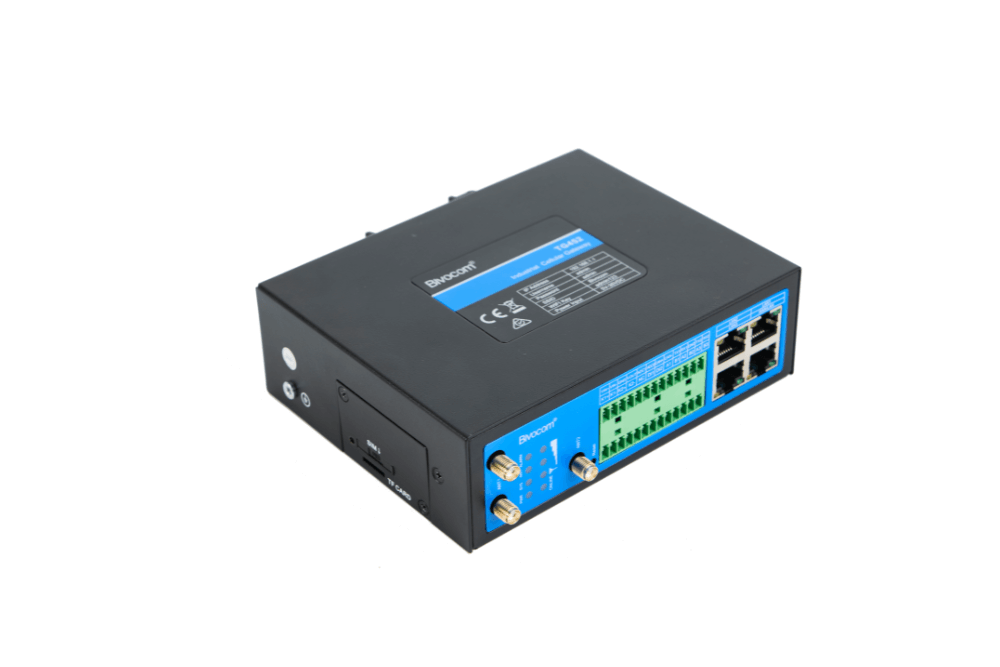
TG452 Edge Gateway
The TG452 is a high-performance industrial 4G cellular edge gateway. Powered by a 32-bit ARM Cortex-A7 processor (528MHz) with 256MB RAM and 1GB Flash storage, it delivers heavy-duty edge computing power right at the site. Engineered for rugged field deployments, it integrates rich industrial interfaces, dual-SIM cellular failover for uninterrupted connectivity, and Micro-SD storage for offline data caching. Running on Linux/Ubuntu, it also supports Python, C/C++, and Node-RED for flexible secondary development and customized edge logic.
TG462S Touch‑Screen Edge Gateway
The TG462S integrates a responsive 7-inch local HMI touchscreen. It enables immediate, on-site live water data display entirely without needing a laptop or cloud access. Field technicians can instantly view multi-parameter readings, check communication link statuses, and perform basic local diagnostics right at the cabinet door. It is the ultimate solution for wastewater treatment plants, river monitoring stations, and aquaculture sites where local visibility and instant field interaction are mandatory.



Step-by-Step Guide
Deploying industrial IoT hardware in the field should be straightforward. Thanks to the native Modbus data-collection engine built into Bivocom gateways, there is no need for an external protocol converter. The gateway directly polls the BQ400 sensor over the RS-485 bus and pushes clean, structured JSON/MQTT payloads straight to your cloud platform. Below is the definitive, step-by-step technical walkthrough to configure your gateway for a multi-parameter water quality monitoring station.
Physical Layer Wiring and Connection
⚠️ Prerequisite: Power off both the gateway and the BQ400 sensor before handling wiring to prevent port damage.
Connect the 4-core twisted-pair shielded cable of the BQ400 to the RS-485 terminal of the gateway’s COM1 port following this strict pinout:
| Sensor Wire | Gateway Terminal |
|---|---|
| Red (12–24 VDC) | VOUT (12VDC Power Output) |
| Black (GND) | GND |
| Blue (RS-485 A) | COM1 terminal A1 (485-A) |
| White (RS-485 B) | COM1 terminal B1 (485-B) |
Field Engineering Tip: Utilize the integrated lifting ring on top of the BQ400 casing during deployment so that the hanging cable is never subjected to direct mechanical pulling stress. Ensure all outdoor enclosures are properly weatherproofed (IP65+ cabinet recommended).
Gateway Configuration
Step1: Web UI Access & Basic Settings
Once hardware is powered, configuring the gateway to poll sensor registers takes only a few steps via the Web UI. Default IP Address: 192.168.1.1, Account: admin/admin (Best Practice: Update your credentials immediately upon initial deployment).
Navigate to Data Collect > Basic Setting and configure the global polling parameters:
- Frame Interval: Set the interval between two acquisition frames (e.g.,
60s, tuned according to your cloud reporting frequency requirements).
- Command Interval: Set the delay between individual Modbus commands (e.g.,
100msto prevent bus collision).
- COM Protocol: Select
Modbus_RTU.
- Click Save & Apply.
Step2: Serial Interface Setting
Next, configure the serial port parameters to match the factory communication defaults of the BQ400.
Go to Data Collect > Interface Setting, select COM1, and apply the following parameters: Baud Rate: 9600 bps, Data Bits: 8, Parity: None, Stop Bits: 1. Click Save & Apply.
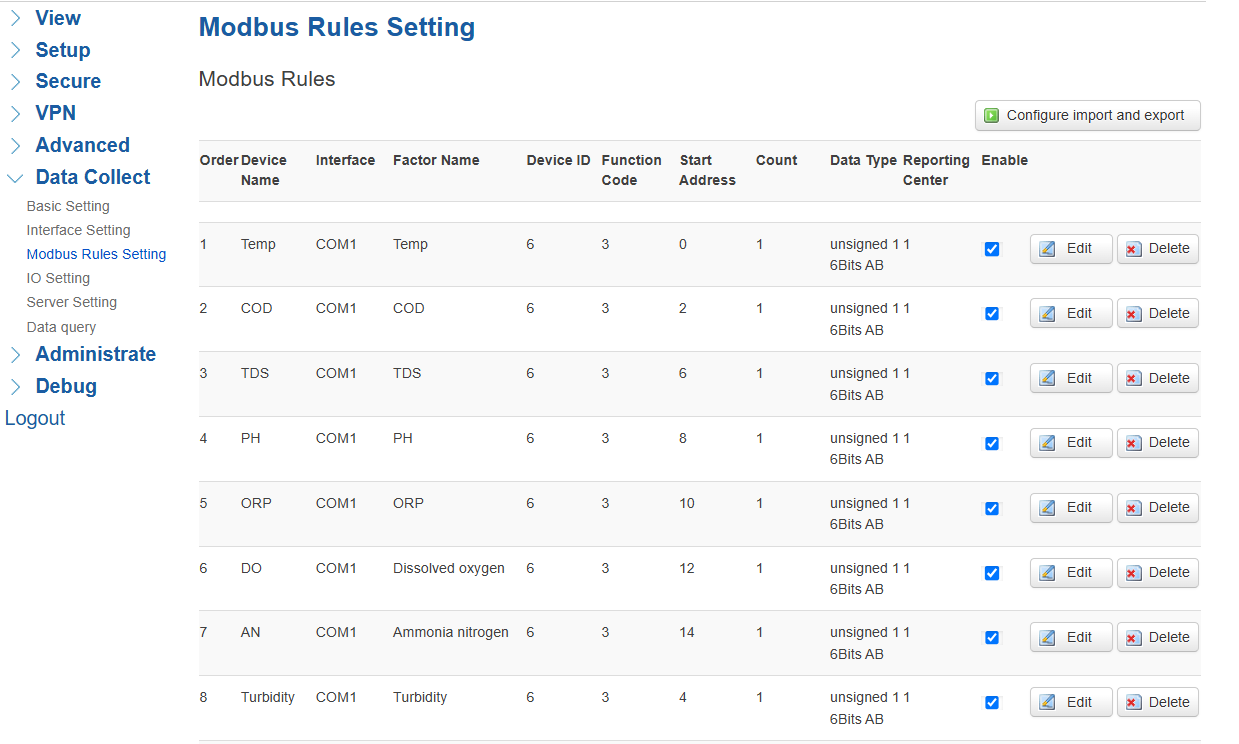
Step3: Modbus Rules Setting
Create one Modbus rule for each parameter to be collected. The key data of a single acquisition rule is listed below (sensor address 6, function code 03, data type unsigned 16Bits AB).
Each water parameter occupies two consecutive registers: the first holds the raw measured value, and the second holds its decimal scaling factor. Bivocom gateways automatically handle this decimal conversion, meaning a single 1-register read per parameter is sufficient.
Navigate to Data Collect > Modbus Rules Setting and click Add.
Set up individual acquisition rules for each water quality metric using the mapping table below, then click Save & Apply to activate all polling rules.
| Parameter | Device ID | Function Code | Start Address | Data Type |
|---|---|---|---|---|
| Temperature | 6 | 03 | 0(0x0000) | unsigned 16Bits AB |
| COD | 6 | 03 | 2(0x0002) | unsigned 16Bits AB |
| Turbidity | 6 | 03 | 4(0x0004) | unsigned 16Bits AB |
| TDS | 6 | 03 | 6(0x0006) | unsigned 16Bits AB |
| pH | 6 | 03 | 8(0x0008) | unsigned 16Bits AB |
| ORP | 6 | 03 | 10(0x000A) | unsigned 16Bits AB |
| Dissolved Oxygen | 6 | 03 | 12(0x000C) | unsigned 16Bits AB |
| Ammonia Nitrogen | 6 | 03 | 14(0x000E) | unsigned 16Bits AB |
Step4: Collected Data Result & Real-Time Validation
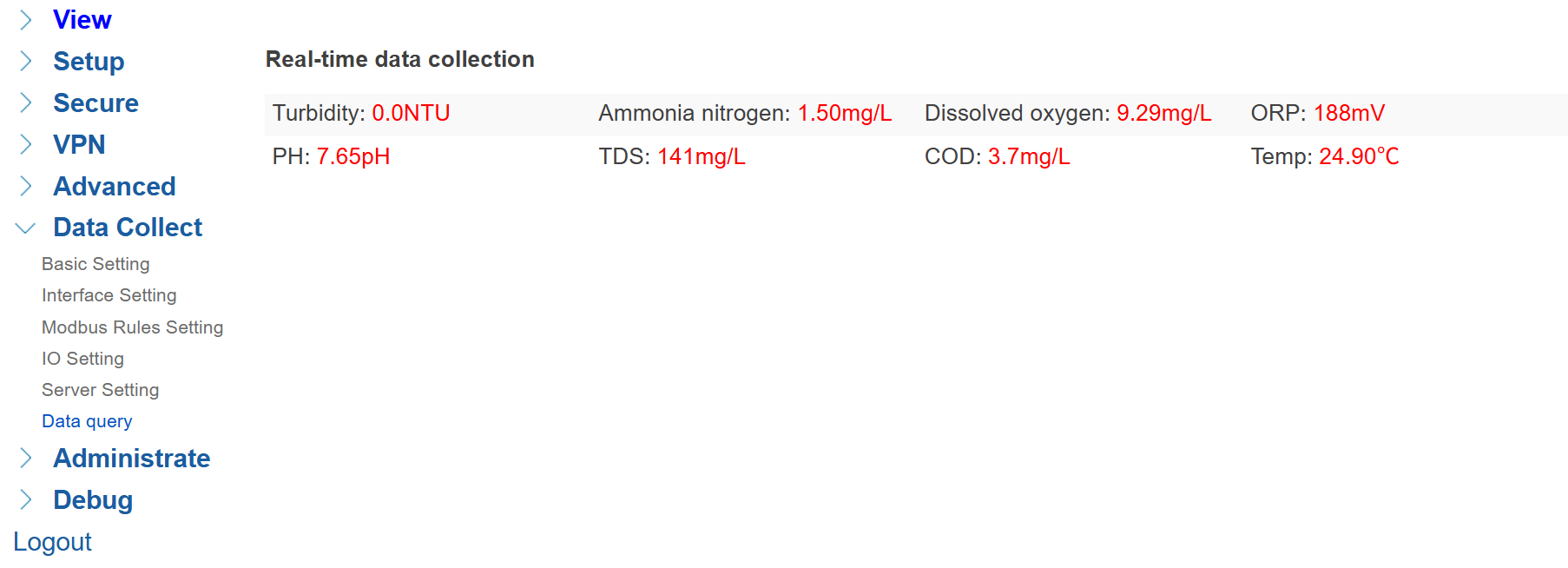
To verify that your setup is functioning correctly before heading out of the field: Navigate to Data Collect > Data Query in the gateway Web UI. Select your parameters and time range, then click Query. A healthy, operating telemetry node will instantly display live diagnostic results like the sample below:
Real‑World Deployment Scenarios
The integration of the BQ400 sensor and Bivocom edge gateways is engineered to address the most critical water management challenges across diverse verticals:
- Wastewater Management: Continuous tracking of COD, ammonia-nitrogen, pH, and turbidity at discharge compliance points. Generates automated, timestamped data logs for regulatory reporting while triggering instant early-warning alerts when pollutant thresholds are breached.
- Surface Water & River Basin Protection: Distributed, solar-powered monitoring stations deployed across remote rivers and lakes provide early warnings for ecological anomalies or illicit industrial dumping. Automatic sensor self-cleaning mechanisms drastically reduce manual maintenance visits, while intelligent local data caching ensures complete historical data integrity during temporary cellular signal dropouts.
- Smart Aquaculture: Continuous surveillance of dissolved oxygen (DO), pH, temperature, and TDS in commercial fish farms. Gives operators real-time visibility into water-quality degradation, preventing fish kills, optimizing feeding cycles, and minimizing stock-loss risks.
Explore More Bivocom Water IoT Use Cases
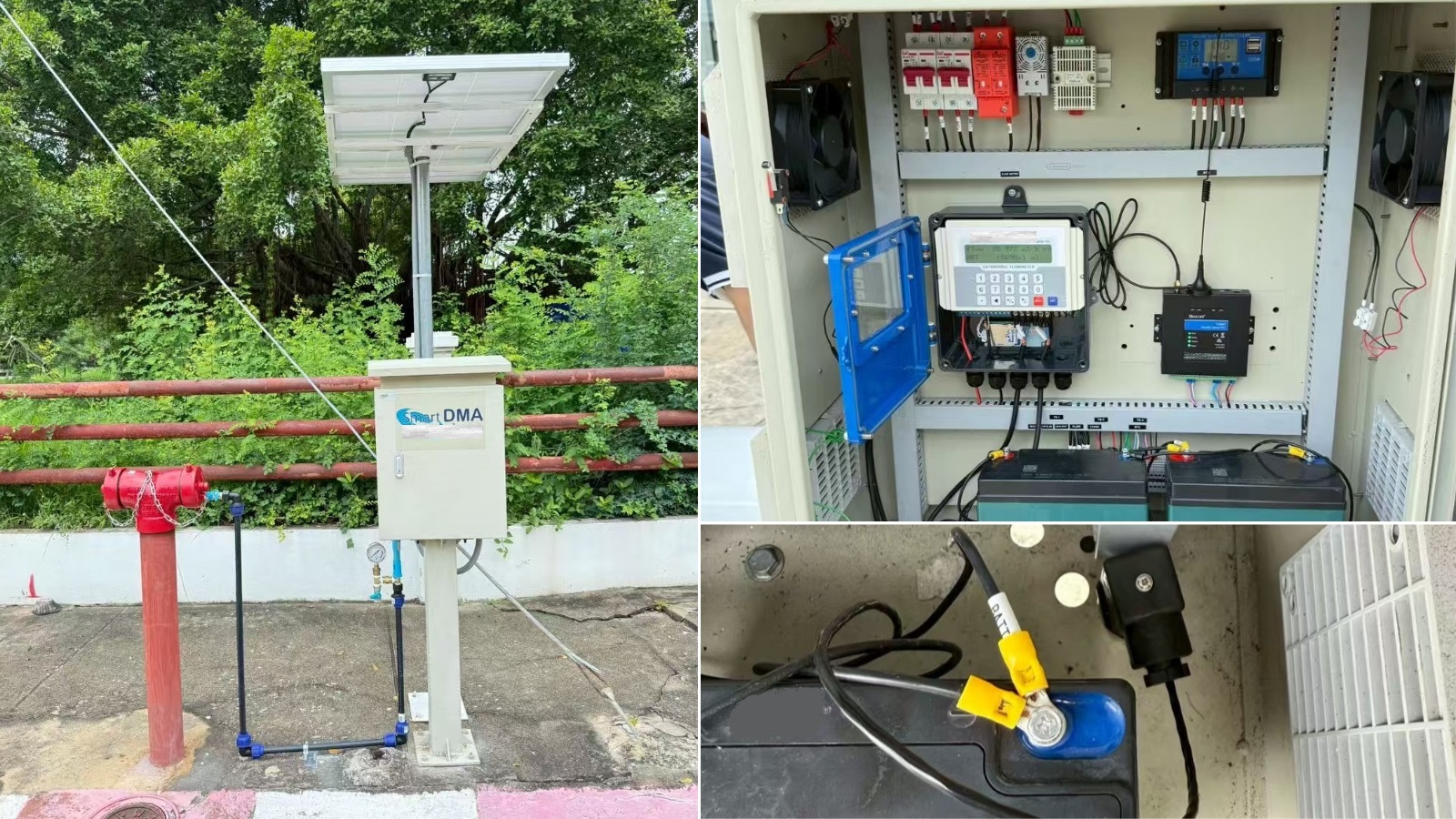
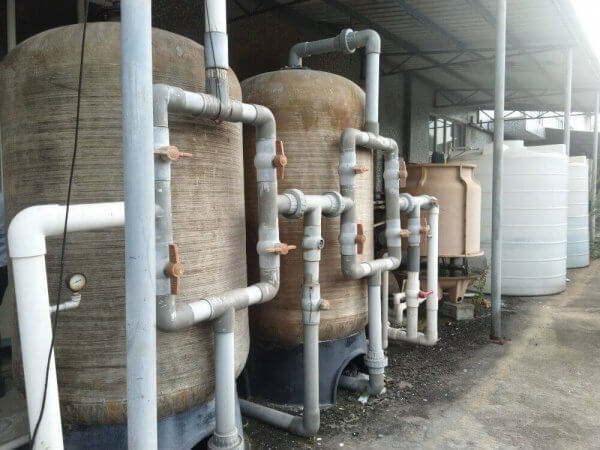
Beyond these core setups, Bivocom has a proven track record in mission-critical water telemetry worldwide. Dive into our real‑world case studies spanning: wastewater discharge monitoring, groundwater monitoring, DMA water loss & leak detection, flood early warning, coastal sluice & saltwater intrusion monitoring, and aquatic buoy monitoring. And our Single-Parameter Water Sensor Integration Guide.


About Bivocom
A successful water quality IoT deployment is far more than physically wiring a sensor to a gateway. It requires pre‑validated end‑to‑end integration, proven offline data handling for unstable field networks, and design aligned with real‑world maintenance workflows. By eliminating the need for external protocol converters and embedding edge intelligence directly into the sensor and gateway nodes, Bivocom empowers system integrators, engineers, and municipal planners to deploy scalable, low-maintenance water monitoring networks with total confidence. Our in-house lab and field bench-testing removes integration guesswork.
Ready to design your next smart water monitoring project?
Whether you are launching a compact pilot station or expanding a basin-wide infrastructure, Bivocom delivers configurable industrial-grade edge hardware, secondary development resources, and flexible OEM/ODM support. Contact us today at [email protected] for detailed technical documentation and project consultation.



Comment