Solar-powered Solution for Irrigation
Most scattered rice fields lack grid power and face recurring flood or drought threats. In tropical deltas, water management is the single largest determinant of yield—yet without continuous data, irrigation decisions remain guesswork. Manual ground sampling fails to deliver the continuous, auditable environmental data that modern agriculture demands. Bivocom has built a complete IoT solution around the TR323 industrial mini cellular router—tracking weather, soil moisture, and groundwater levels 24/7, with zero third-party cloud transit. Field tests confirm stable operation under extreme heat, heavy rainfall, and weak cellular coverage, proving that reliable monitoring is possible even in the most challenging rural conditions.
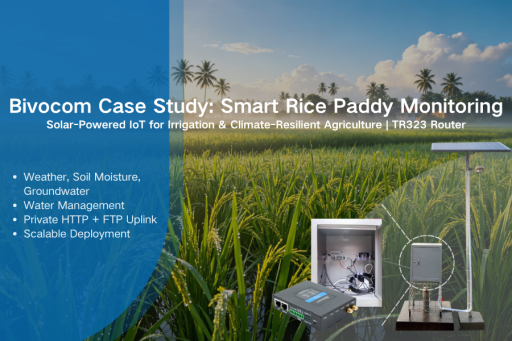
Regional challenges & Customer Requirements
1. Site Conditions, Power, and Maintenance. Rice plots are scattered across difficult terrain with no utility grid access; roads are often impassable. Extreme heat, 90%+ humidity, flooding, and roaming livestock pose constant risks.
→ Requirement: Solar-powered, 7×24 unattended operation; industrial-grade sealing and vandal resistance; remote OTA configuration to eliminate routine site visits.
2. Hydrological Extremes and Irrigation Blindness. Monsoon flooding and dry-season groundwater over-extraction both reduce yields. Without real-time data, flood irrigation wastes 40-50% of water; manual checks detect problems only after damage occurs.
→ Requirement: Continuous monitoring of weather, multi-layer soil moisture, and water levels via RS485 俺and Modbus—enabling proactive irrigation and early warnings.
3. Data Sovereignty and Agricultural Data Protection. Crop, water, and land productivity data are strategically sensitive. Public cloud storage exposes them to third-party access and unknown data flows.
→ Requirement: Fully private data delivery—real-time JSON via HTTP API, or batch CSV logs via FTP. No public cloud intermediary.
4. Unreliable Cellular Coverage and Data Integrity. Signals are often weak or intermittent, especially during storms. Direct streaming would create unacceptable gaps in the historical record.
→ Requirement: Local data cache with automatic retransmission after network recovery—zero data loss.
Why TR323 Matches Demands
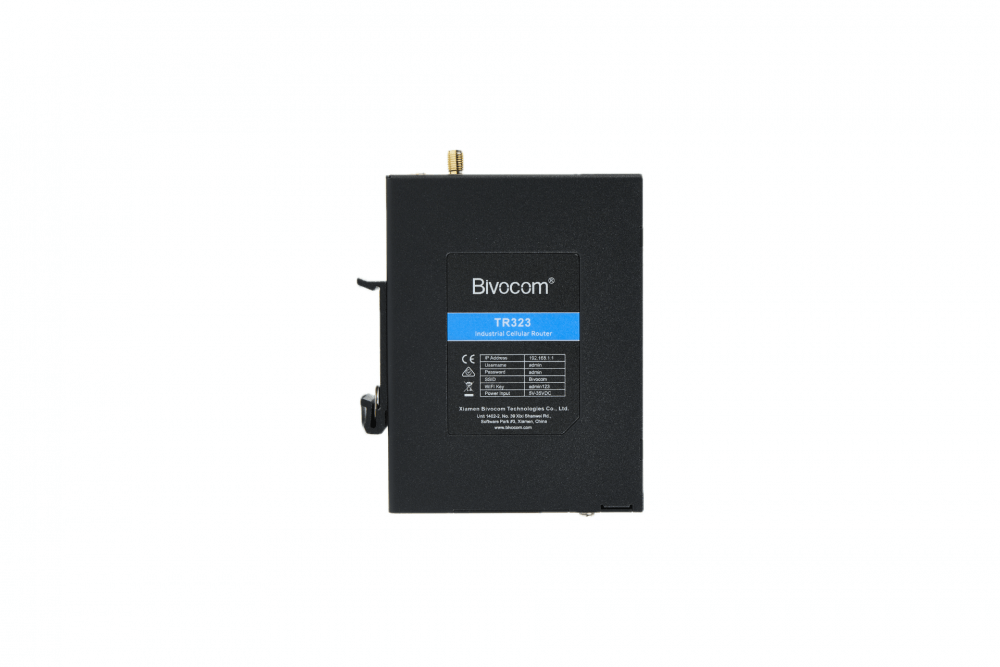
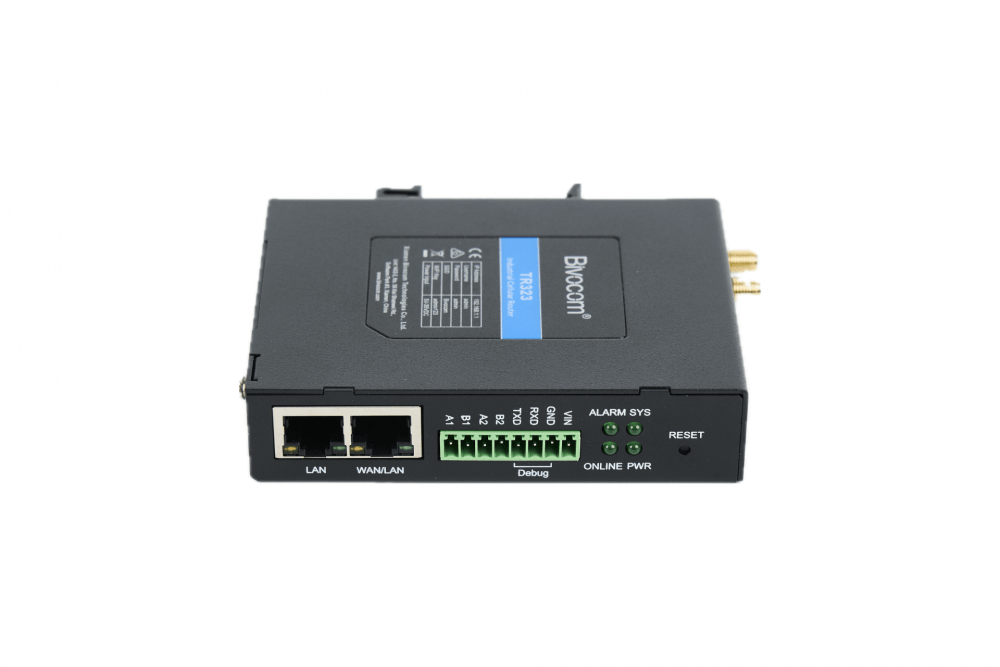
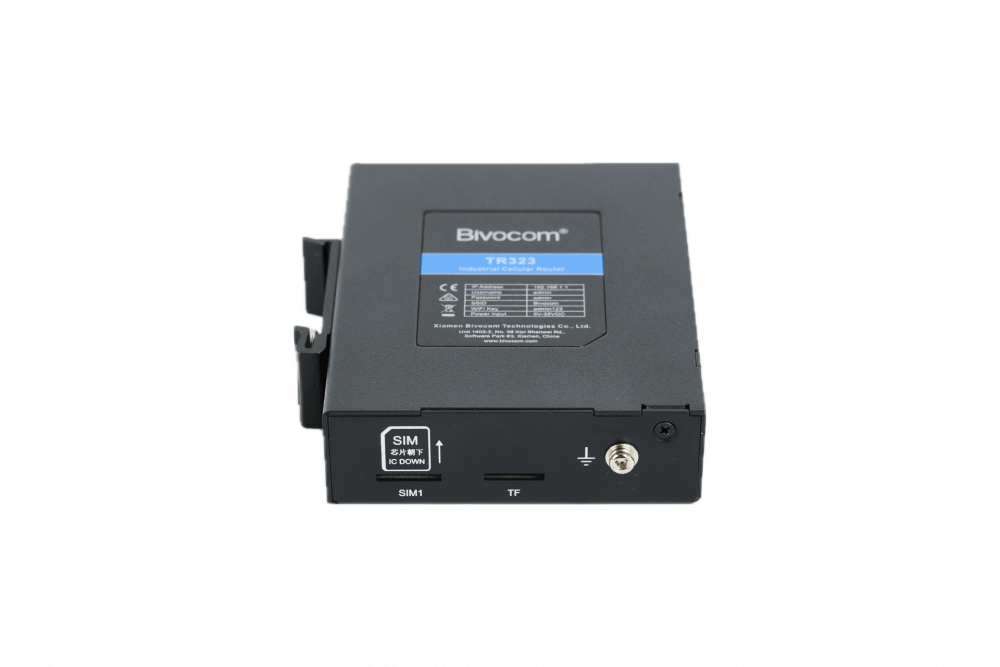
After cross-validation of hardware specs, protocol compatibility, and deployment cost, the Bivocom TR323 was selected as the solution core. Core Specifications at a Glance:
- Compact & rugged: 103.5×78.2×24.1mm, 268g, DIN-rail mountable for standard outdoor cabinets.
- Processing: 32-bit dual-core CPU, 256MB DDR3 RAM, 32MB flash (upgradeable).
- Cellular & networking: 5G/4G LTE with global band support; dual SIM failover; 2× Gigabit Ethernet.
- Interfaces: 2× RS485 (15KV ESD) + 1× RS232 debug.
- Power & environment: 5–35VDC wide input, configurable low-power sleep mode; -35°C to +75°C operating temperature.
- Protocol: Native support for Modbus RTU/TCP, MQTT, JSON, TCP/UDP, OPC UA, plus VPN (OpenVPN, IPsec, PPTP, L2TP, Wireguard, Talescale).
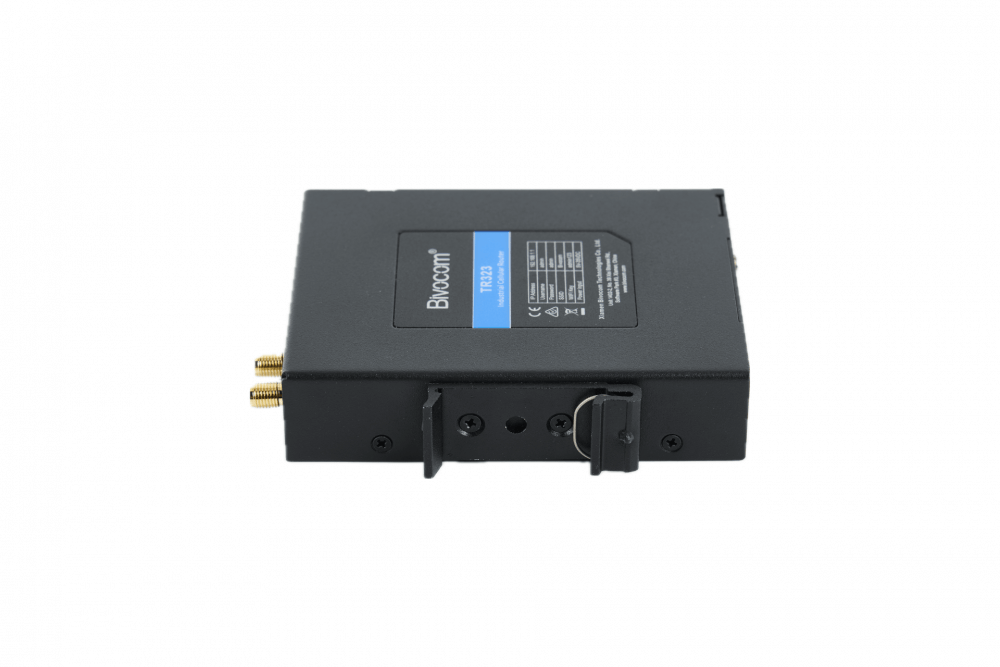
Differentiating Capabilities – Beyond Basic Fulfillment
- Edge computing flexibility: OpenWRT-based Linux allows custom Python/C/C++ applications for local preprocessing, alarm triggering, and protocol translation—reducing cloud dependency and latency.
- Dual‑SIM Failover & Local Cache: Two SIM slots with automatic carrier switching maintain connectivity when one network degrades. Onboard flash caches data during outages and retransmits after recovery, ensuring zero loss.
- Solar off‑grid readiness: Wide voltage input and low-power mode match fluctuating solar output, enabling year-round unattended operation.
- Protocol Interoperability & Future‑Proofing: Broad native protocol support integrates existing sensors and accommodates future additions (water quality, flow meters) without hardware changes.
- End‑to‑end security: VPN, ACLs, and encryption secure data and remote maintenance; HTTP/FTP clients deliver JSON and CSV logs directly to customer servers—no public cloud.
The TR323 is not merely compatible—it adds value through edge intelligence, network redundancy, and environmental toughness, reducing total cost of ownership over the system’s lifetime.
Solution: System Architecture
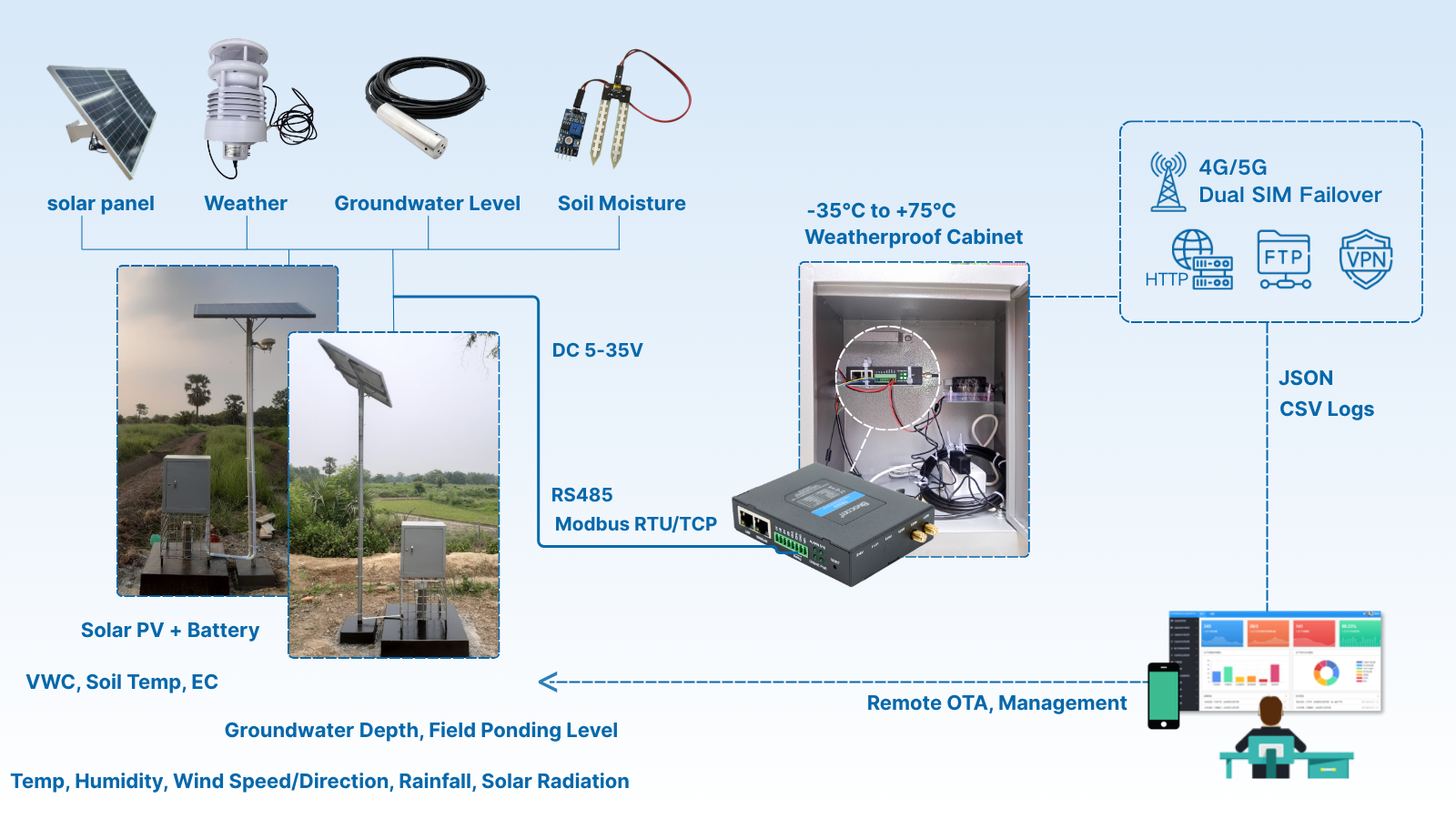
Layer 1: Perception Layer (Field Sensors)
Three sensor types form the monitoring network, each chosen for specific agricultural insights:
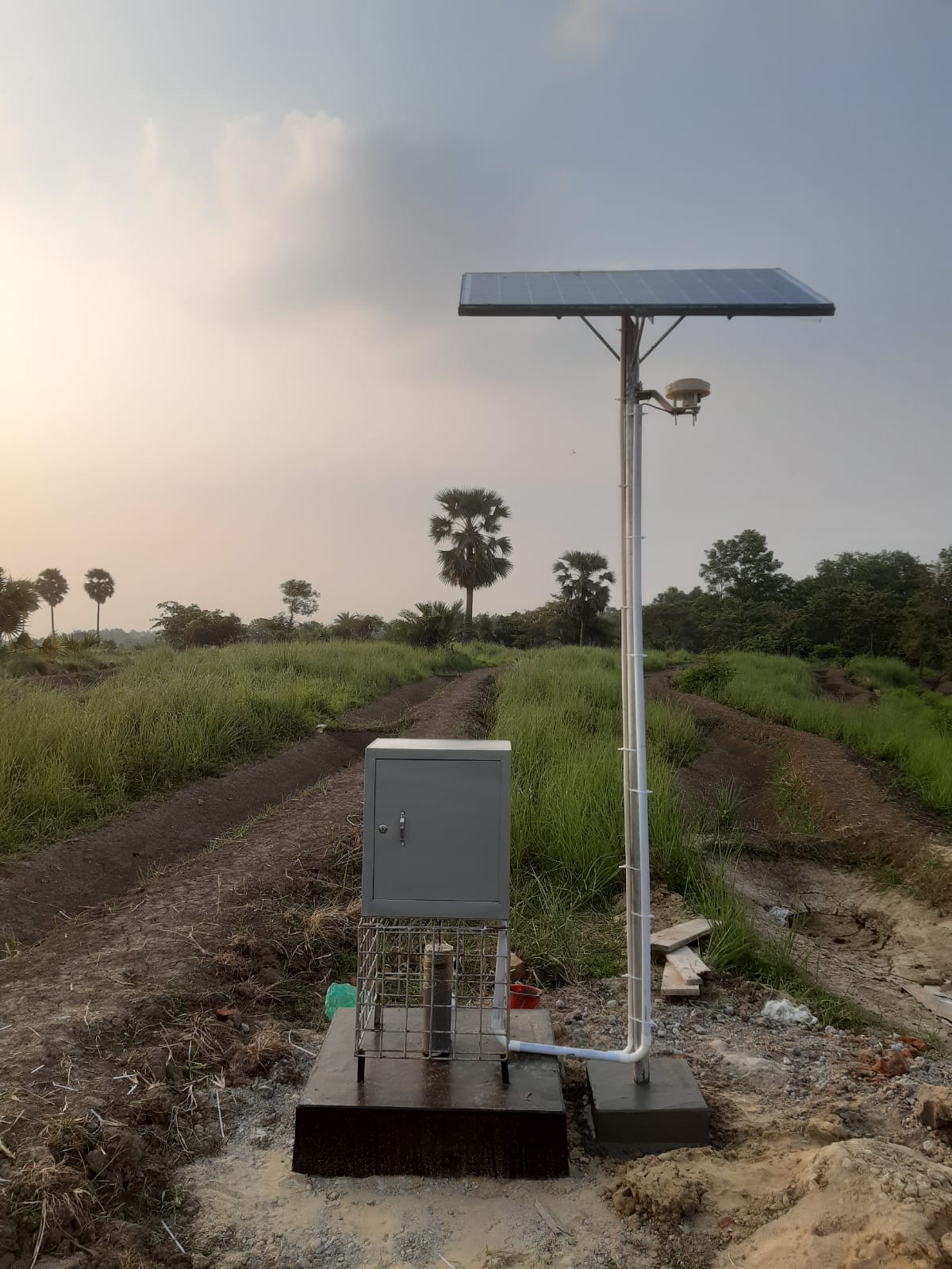
- Integrated Weather Station: Pole‑mounted at 2 m above ground. It continuously measures temperature, humidity, wind speed/direction, rainfall, and solar radiation. This data supports storm warnings, evapotranspiration calculations, and disease risk modelling – enabling proactive crop protection.
- Soil Moisture Sensors: Buried at three depths (10 cm, 20 cm, and 40 cm). They report multi‑layer moisture content, soil temperature, and electrical conductivity (EC). These readings guide precise irrigation scheduling, salinity monitoring, and root‑zone health assessment, directly improving water efficiency and crop resilience.
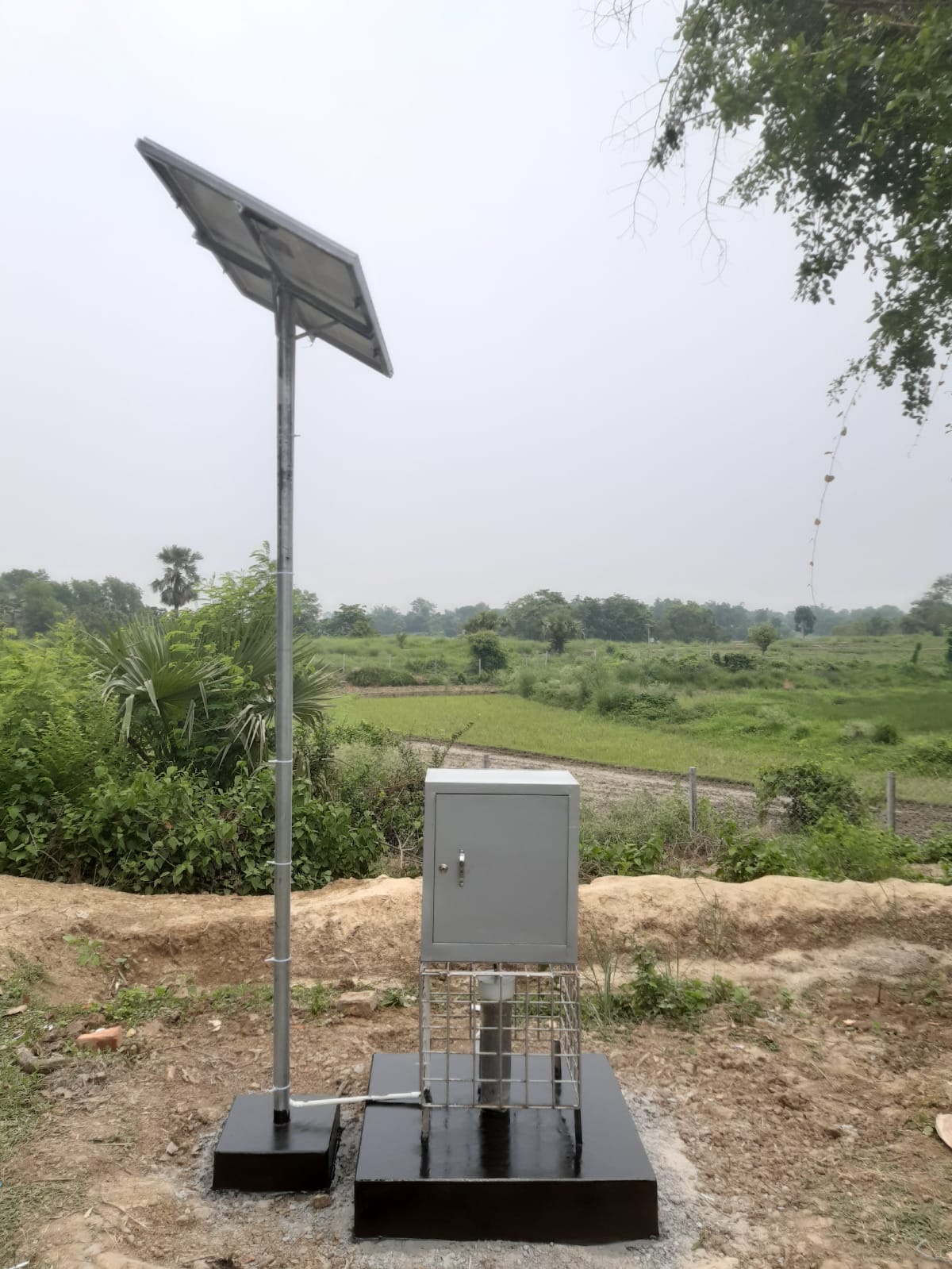
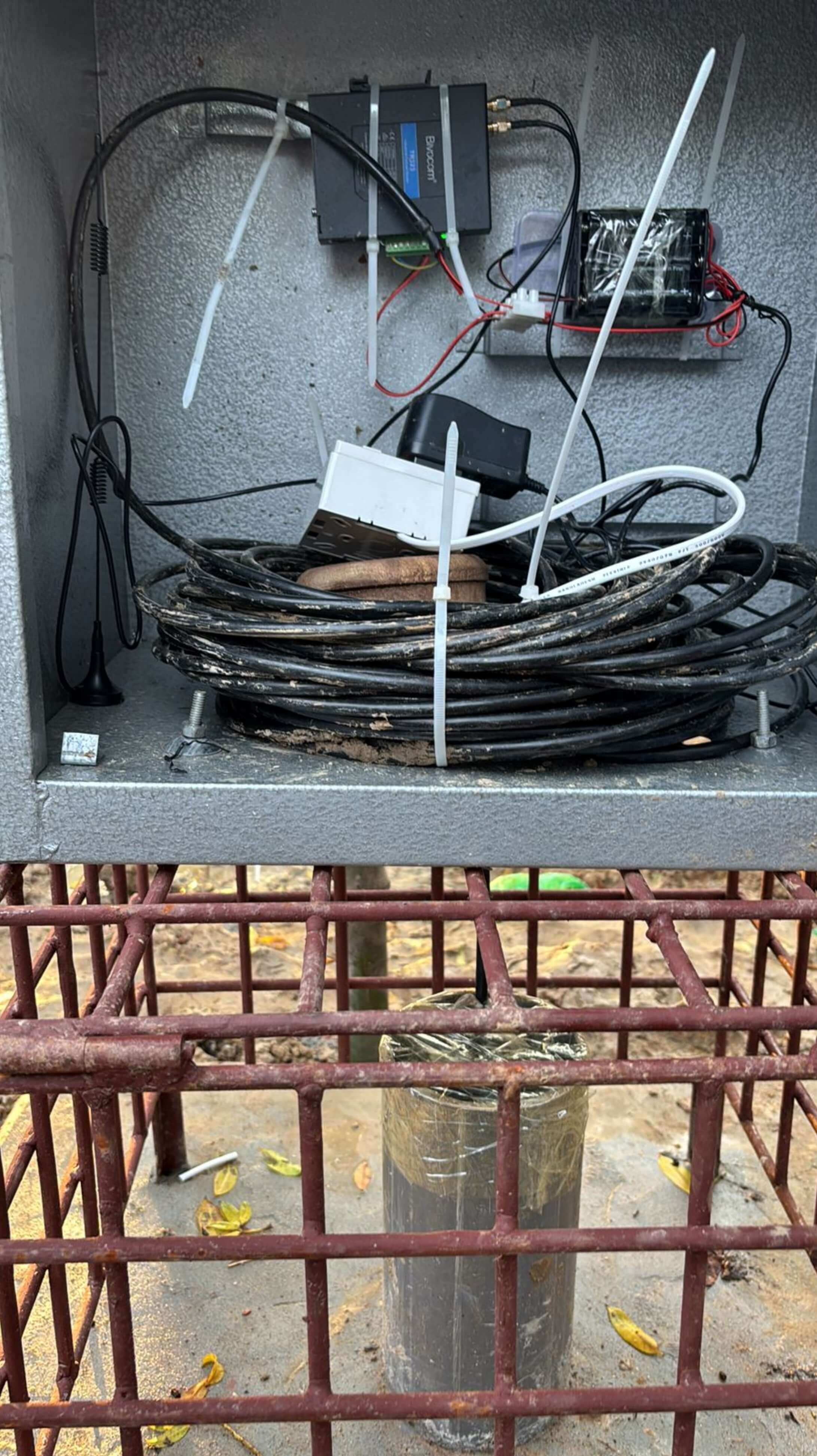
- Water Level Sensor: Installed in a PVC stilling well with a protective cage. It tracks both groundwater depth and field ponding water level. The primary values are flood early warning, drainage gate control, and sustainable aquifer management, reducing flood‑related losses and preventing over‑extraction.
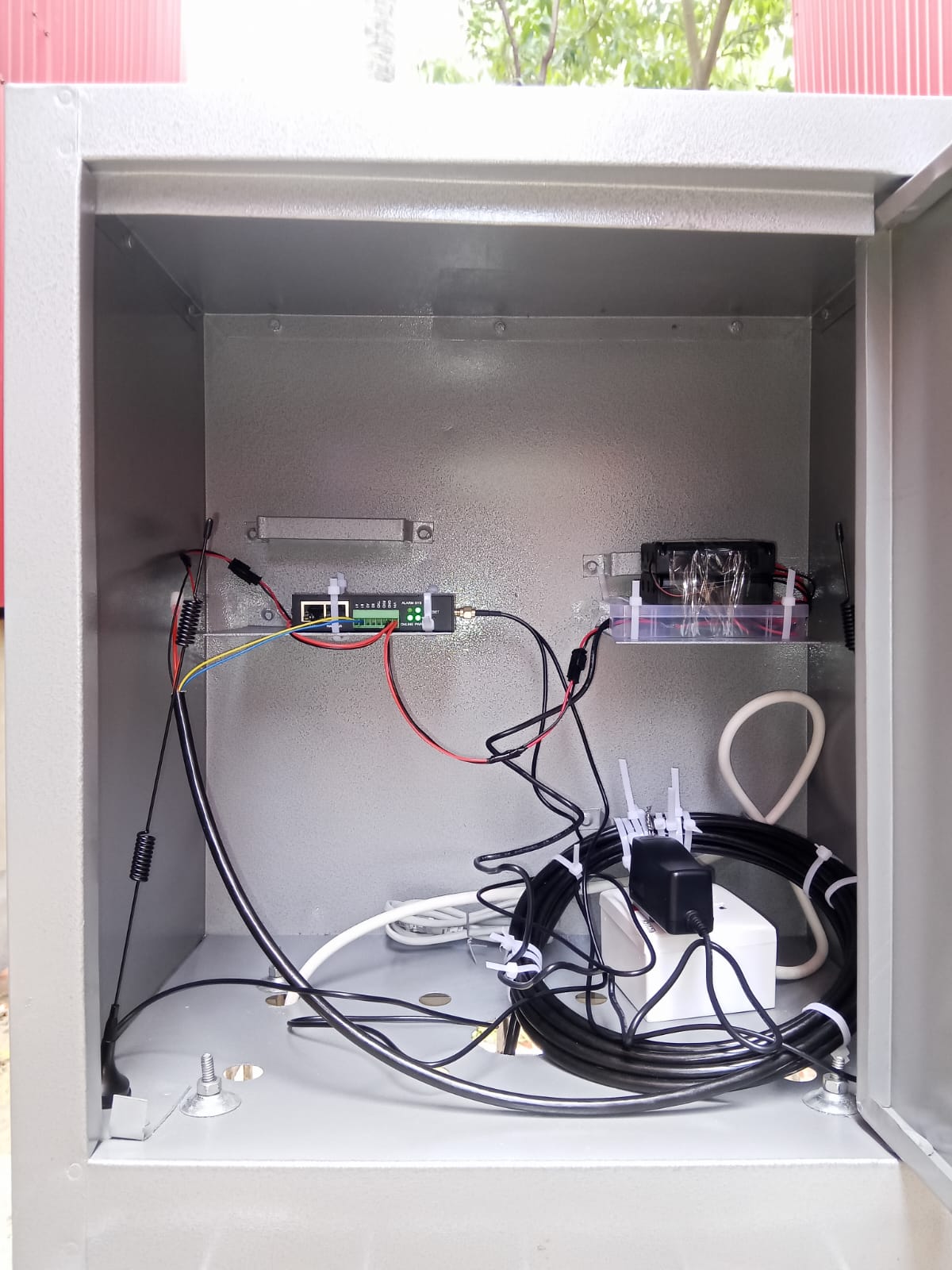
Power and protection are integrated at this layer: a pole-top monocrystalline solar panel, lithium battery bank, and voltage regulator (accommodating the TR323’s 5–35VDC wide input) ensure stable operation. Each station includes a weatherproof locked metal cabinet, protective cages around sensors, waterproof cable glands, and concrete anchor bases to prevent flooding displacement. All sensors are daisy‑chained over a single shielded RS485 bus back to the control cabinet. This unified bus architecture simplifies cabling, lowers material and labour costs, and allows easy expansion – additional sensors can be added without redesigning the entire wiring layout.c
Layer 2: Transmission Layer
At each station, the TR323 router acts as the central hub for data handling and connectivity:
- Data acquisition: polls all sensors via Modbus master on configurable intervals (5/10/15 min).
- Edge processing: converts raw sensor readings, adds timestamps, and formats data for uplink.
- Local caching: writes every reading to onboard flash memory, safeguarding data during network interruptions.
- Uplink: HTTP for real-time JSON, FTP for archival CSV logs (either separately or simultaneously, as the deployment requires)
- Cellular connectivity: integrates 4G/5G modem with dual SIM failover, ensuring service continuity even if one carrier’s signal weakens.
- Network resilience: when connectivity drops, the router retains all cached data and automatically retransmits after recovery, guaranteeing zero data loss.
Layer 3: Platform Layer
Two private server options are available—HTTP for real-time data, FTP for archival logs, either separately or in parallel as the deployment requires:
- HTTP Business Server – Receives real-time JSON data (site ID, timestamp, all readings) after each sensor poll. Powers live dashboards, alerts, and irrigation recommendations.
- FTP Archive Server – Receives scheduled batch CSV logs (hourly/daily), supporting compliance reporting, historical analysis, and flood reconstruction.
This is functional separation, not redundancy. HTTP delivers low-latency, low-bandwidth transmission for immediate decisions; FTP ensures complete, auditable archives with resume capability for interrupted transfers. All data stays within customer infrastructure—no cloud transit.
Practical resources: FTP in industrial IoT and IP camera snapshot upload.
Replicable Deployment Scenarios
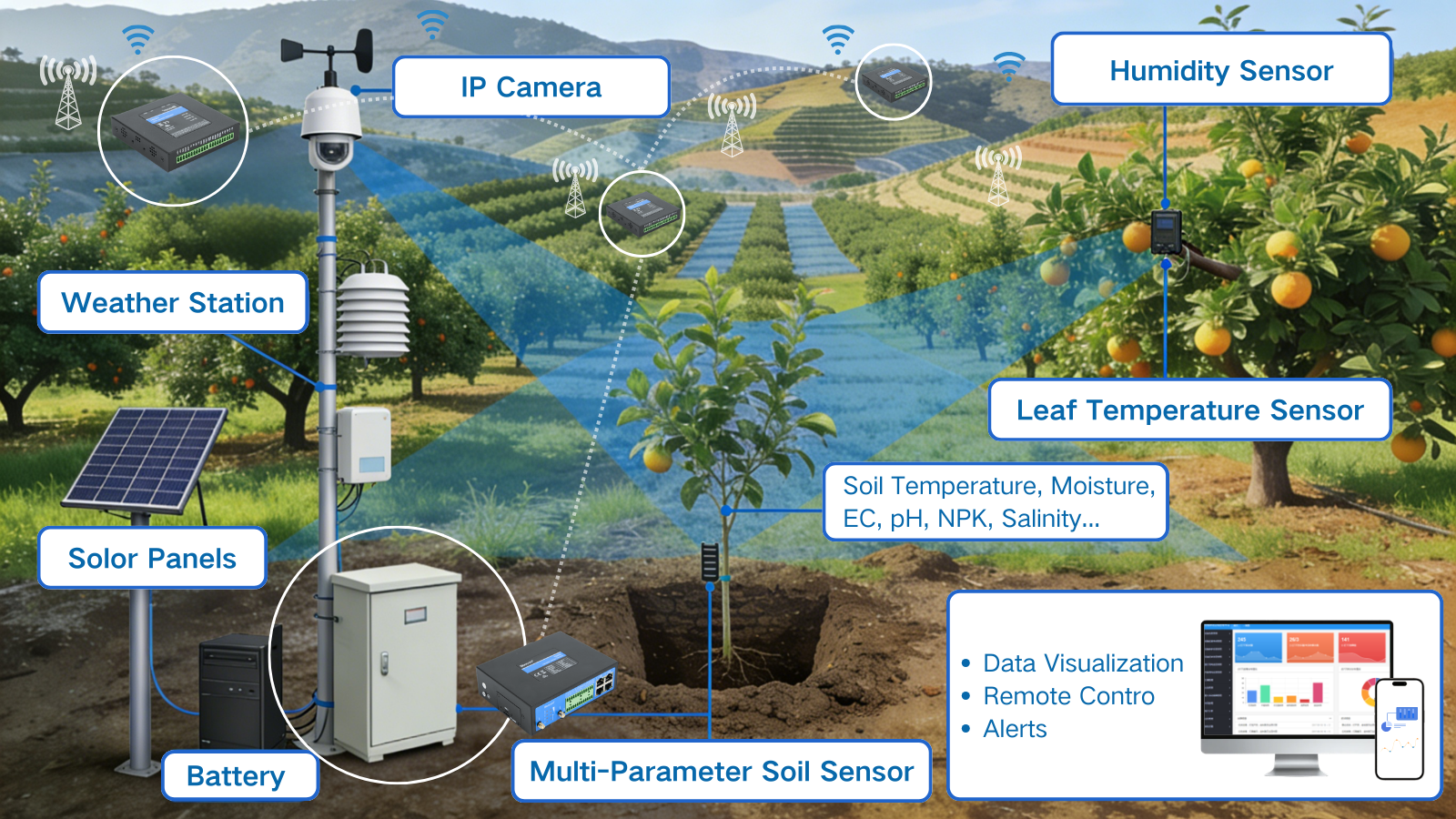
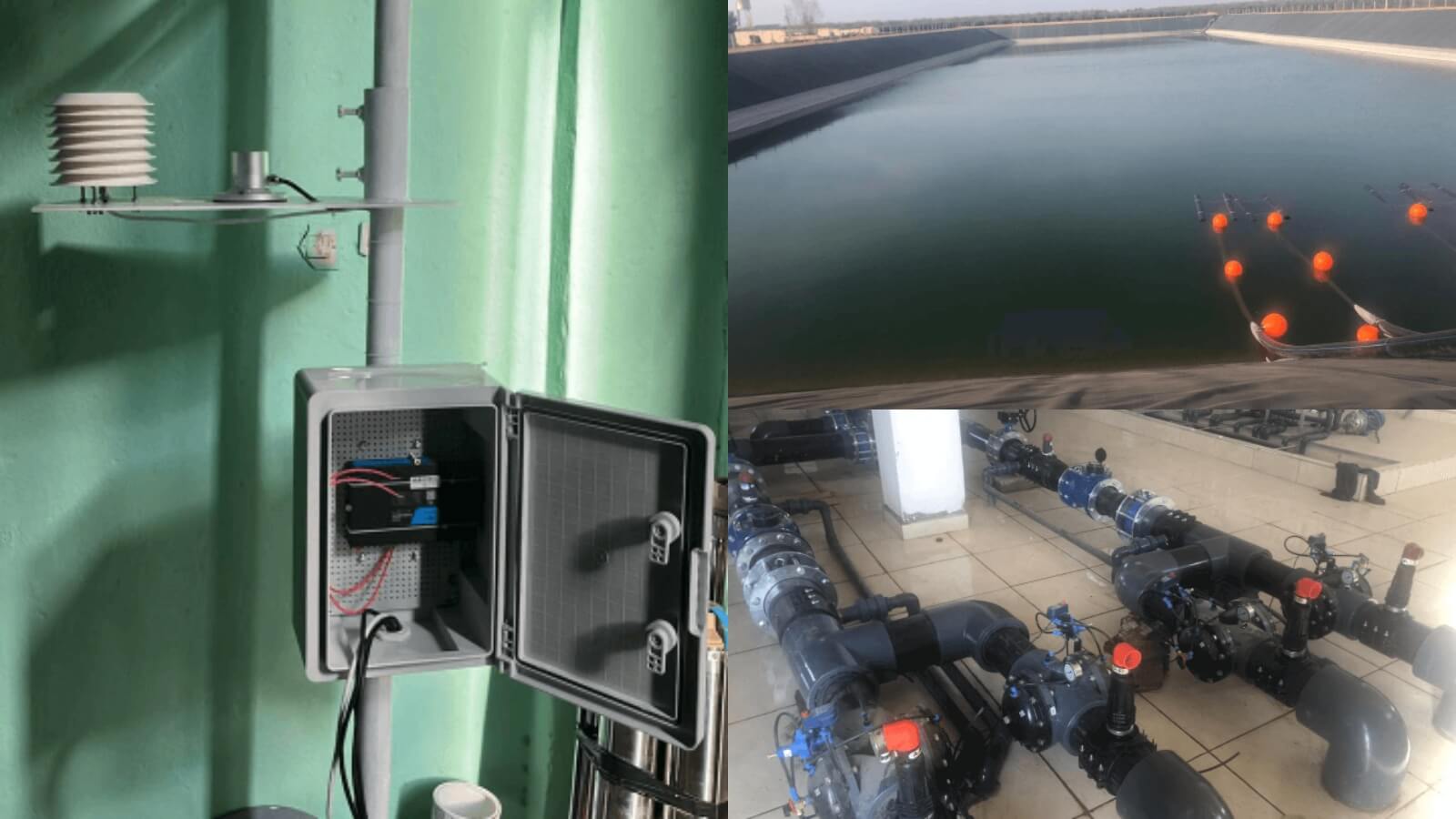
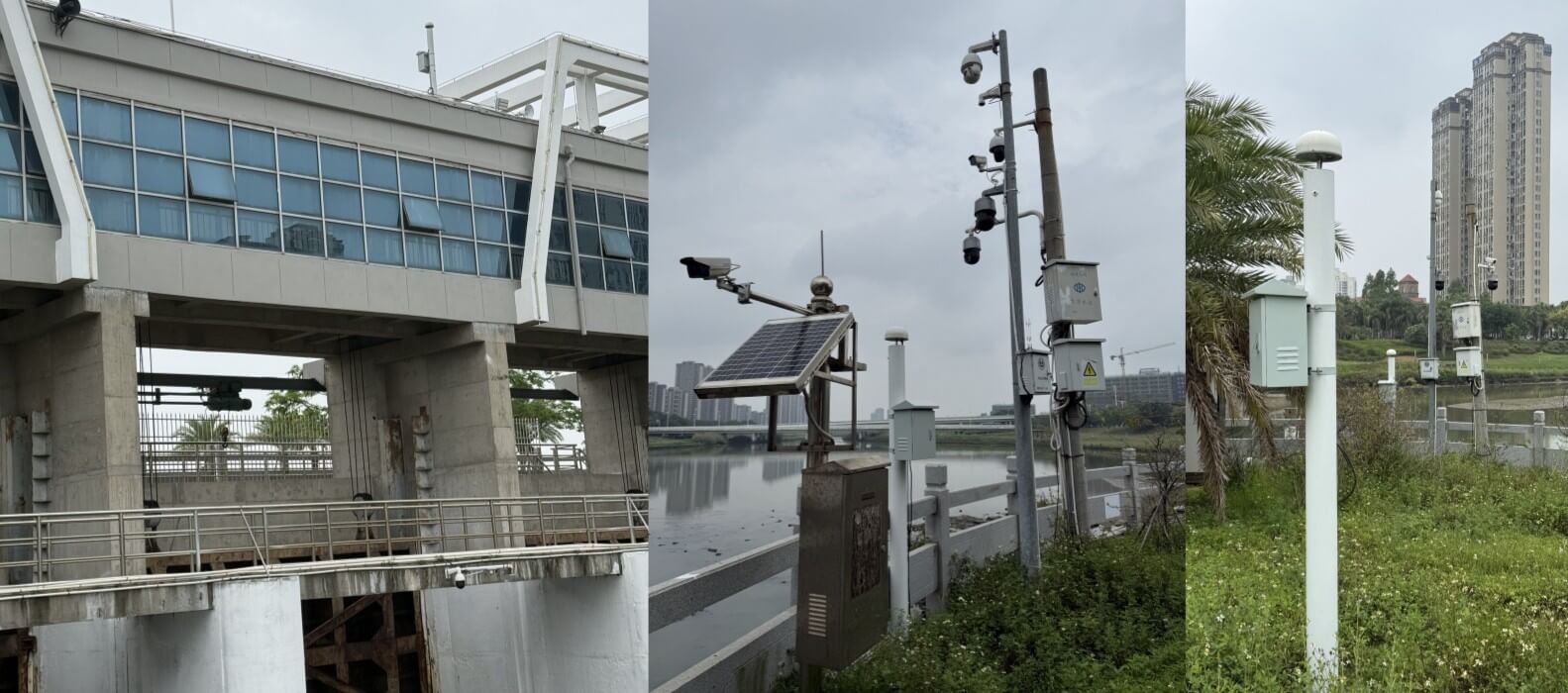
This same architecture works for many other applications. The core pattern stays the same: solar power, RS485 sensors, cellular backhaul, and private data delivery.
- Other crops. Precision agriculture – sugarcane, corn, cotton, palm oil, and rubber plantations face similar challenges. Swap the sensors, keep the gateway.
- Water resources. Rivers, canals, sluice gate, and groundwater networks need monitoring. Add flow meters or radar level.
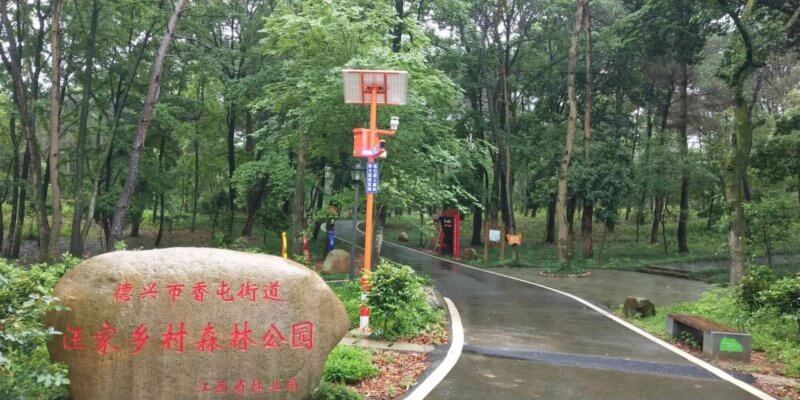
- Environment. Wetlands, forests, and coastal zones require long-term data collection. The solar-powered, unattended design fits perfectly.
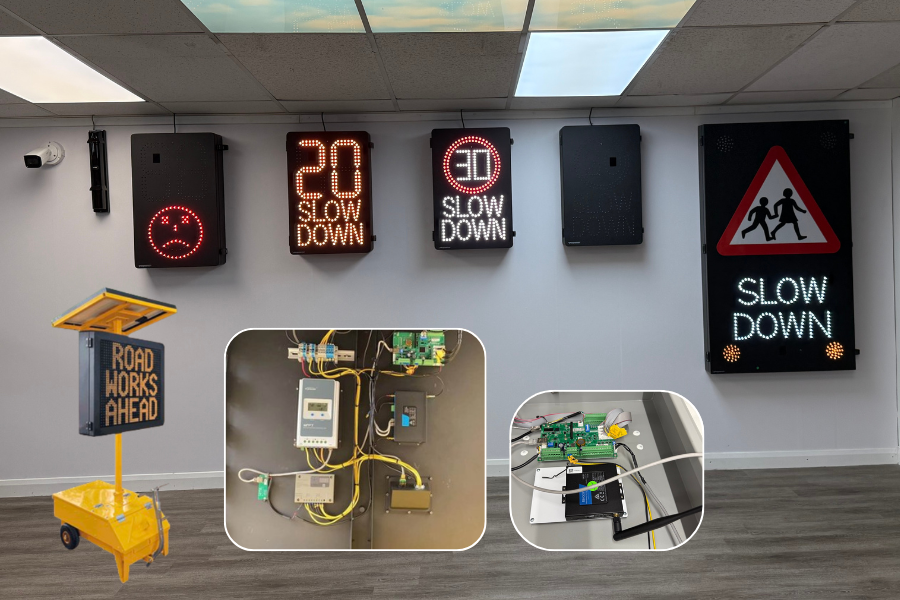
- Infrastructure. Pipelines, solar parks, and remote facilities need environmental monitoring.
About Bivocom
Bivocom Industrial 5G IoT router and gateway deliver a complete, field‑proven solution for large‑scale rice paddy monitoring. Designed for no‑power, rough‑terrain, extreme‑weather, and unreliable‑network conditions, it collects data from multiple sensors over a single RS485 bus and delivers it through two private channels—HTTP for real‑time action and FTP for complete archives. The result: smarter water use, less crop loss, lower operating costs, and full data control. The same architecture scales to agriculture, water resources, environment, and infrastructure projects worldwide.
- Global deployment expertise – IIoT installations across energy, water, agriculture, and smart cities in 90+ countries, with proven performance in tropical, arid, and coastal environments.
- End‑to‑end solution support – Full lifecycle assistance from sensor selection and system integration to field rollout, plus OTA firmware updates and remote diagnostics for ongoing maintenance.
- Flexible customization – OEM/ODM services and protocol adaptation for project‑specific requirements, including custom edge applications and private server integration.
Ready to transform your irrigation management?
Reach out to Bivocom today at [email protected]. We will design a cost‑effective IoT monitoring scheme that fits your basin, your crops, and your data governance needs—from pilot to full‑scale deployment.
-on-Bivocom-TG465-IoT-Edge-AI-Gateway-with-Ubuntu-768x512.png "Install Ollama & Llama (LLM, large language model)) on Bivocom TG465 IoT Edge AI Gateway with Ubuntu")

Comment