Smarter control, lower O&M
As solar energy scales up, operators face a hard question. How do you monitor hundreds of inverters across miles of land—or control multiple factory rooftops without daily site visits? The answer is a complete solar IoT solution. It bridges field devices and cloud platforms. It collects data, runs edge logic, and executes remote commands. In our prior blog post, we broke down system layouts, operational pain points and universal IoT value for utility-scale ground solar parks and large C&I rooftop solar facilities. This article centers entirely on Bivocom hardware portfolio, underlying IoT architecture, and scenario-specific deployments that resolve real operational hurdles across solar asset types.

Multiple Scenarios. One System.
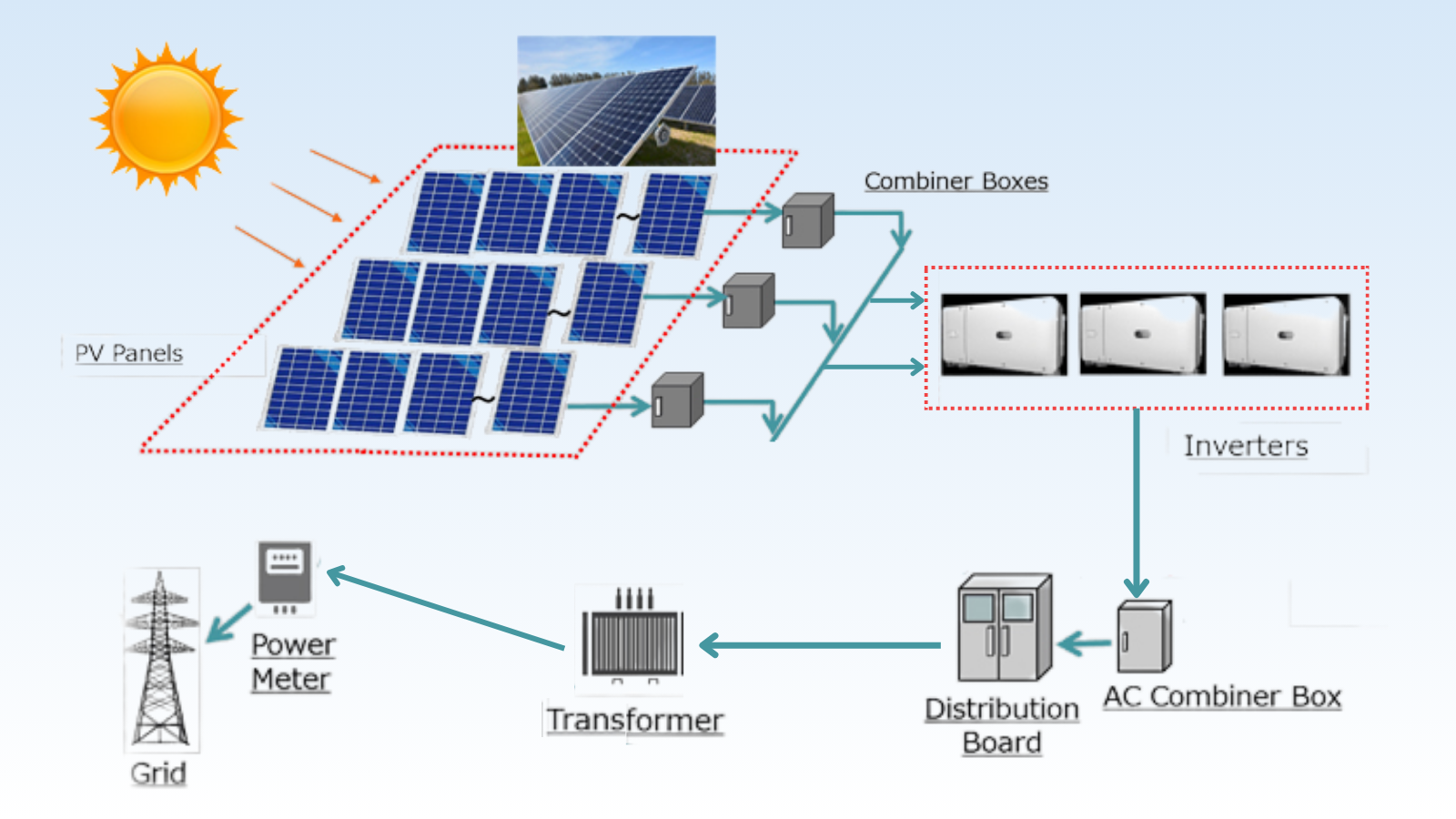
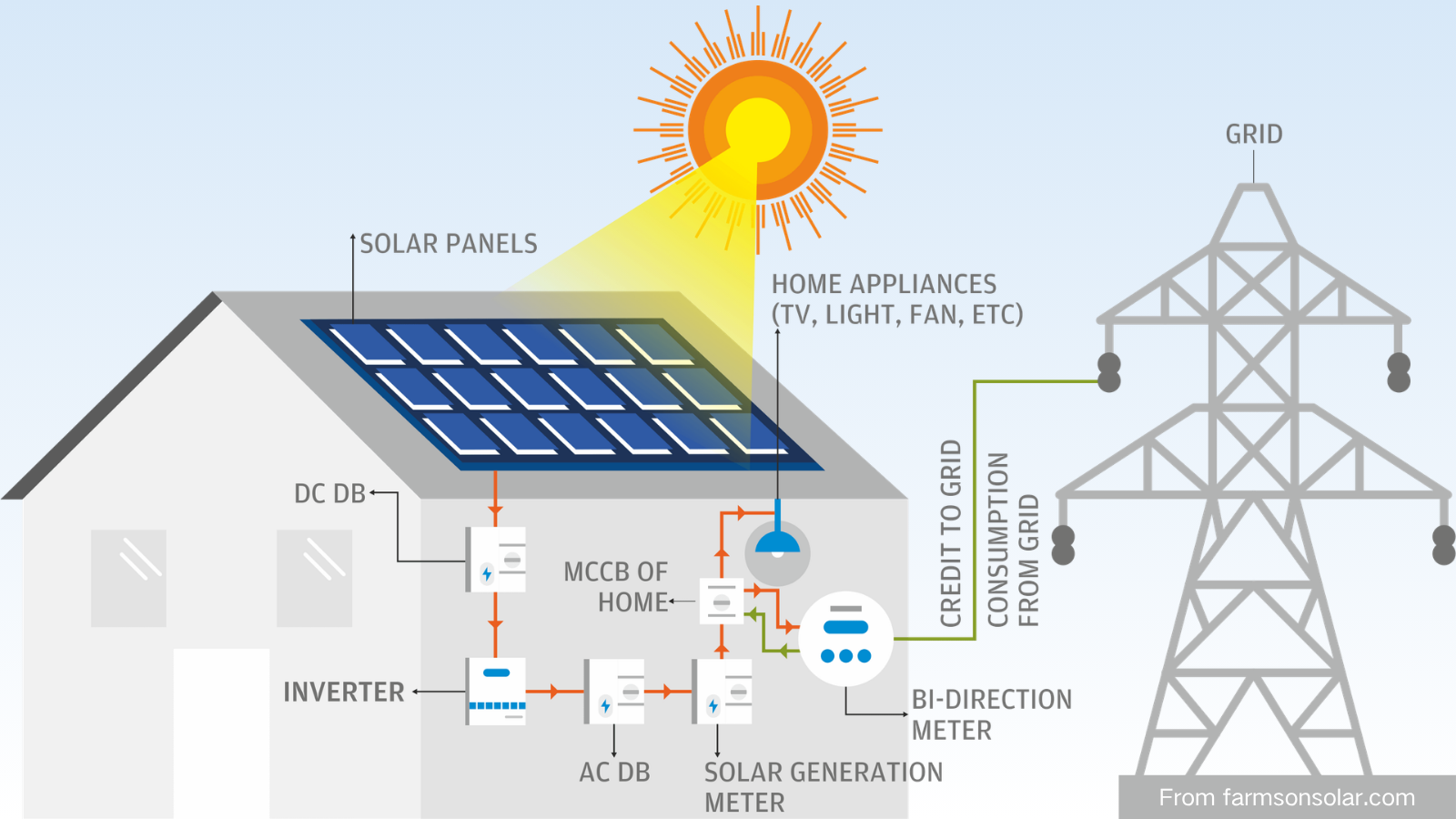
We will first review (Solar Parks & Rooftop Solar Plants) the two typical solar application scenarios introduced in the preceding section, along with their respective project requirements, operational pain points and technical demands. While these scenarios differ greatly, both require a robust Solar IoT solution to address existing challenges and optimize command, scheduling and overall deployment.
- Utility-Scale Ground Solar Parks: Large centralized PV facilities connected to high-voltage grids require fast grid dispatch response, stable long-distance communication, automatic diesel generator control, and secure local data backup to avoid compliance penalties and revenue loss.
- Large C&I Rooftop Solar Plants: Factory and commercial rooftop PV systems focus on improving self-consumption rates. Core demands include precise zero-export control, real-time power factor optimization, and seamless linkage of PV, energy storage and backup generators.
Shared Cross-Scenario Requirement
Today, solar deployments span a full spectrum of scenarios: from basic roadside PV setups and small distributed systems, to commercial rooftop plants, large utility ground parks, and advanced floating solar farms and solar-storage microgrids. These diverse projects share widespread operational challenges, including incompatible protocols among multi-brand inverters and sensors, unstable connectivity at remote sites, strict grid compliance rules, high costs from regular on-site inspections, and mandatory long-term data storage for financial reconciliation and official grid audits. A reliable industrial-grade solar IoT solution is critical to resolve these universal issues for all solar assets.
Bivocom Solar IoT Solution Portfolio
For over a decade, Bivocom has designed industrial IoT connectivity solutions. With a presence in 90+ countries and a strong R&D team, our portfolio spans GNSS/LoRa/5G routers, gateways, and RTUs, IoT platforms, and scenario-specific sensors—all built for energy and industrial applications. All hardware runs on OpenWrt or Ubuntu Linux, with full SDK access. Developers can program in C/C++, Python, or Node‑RED, compile their own applications, and install Docker containers. This openness enables true white‑label OEM/ODM: custom firmware, custom OS, custom UI, and custom hardware branding. This article highlights several representative products. For detailed model and solution recommendations, please consult the Bivocom team.
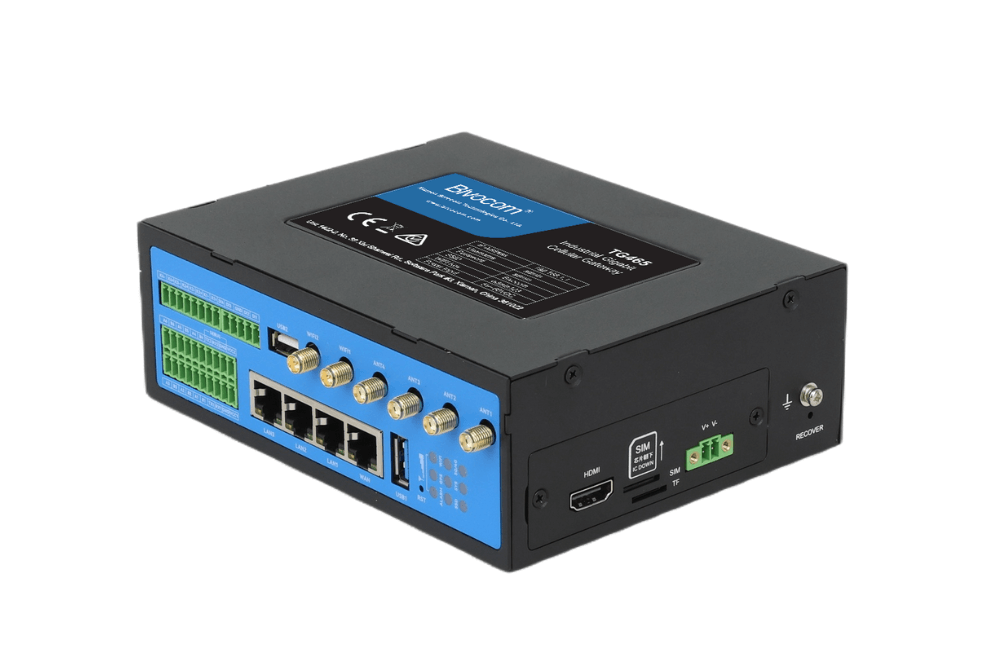
TG465: Programmable 5G Edge Gateway
Best for: Utility‑scale solar parks, smart grid core nodes, and mission‑critical energy applications.
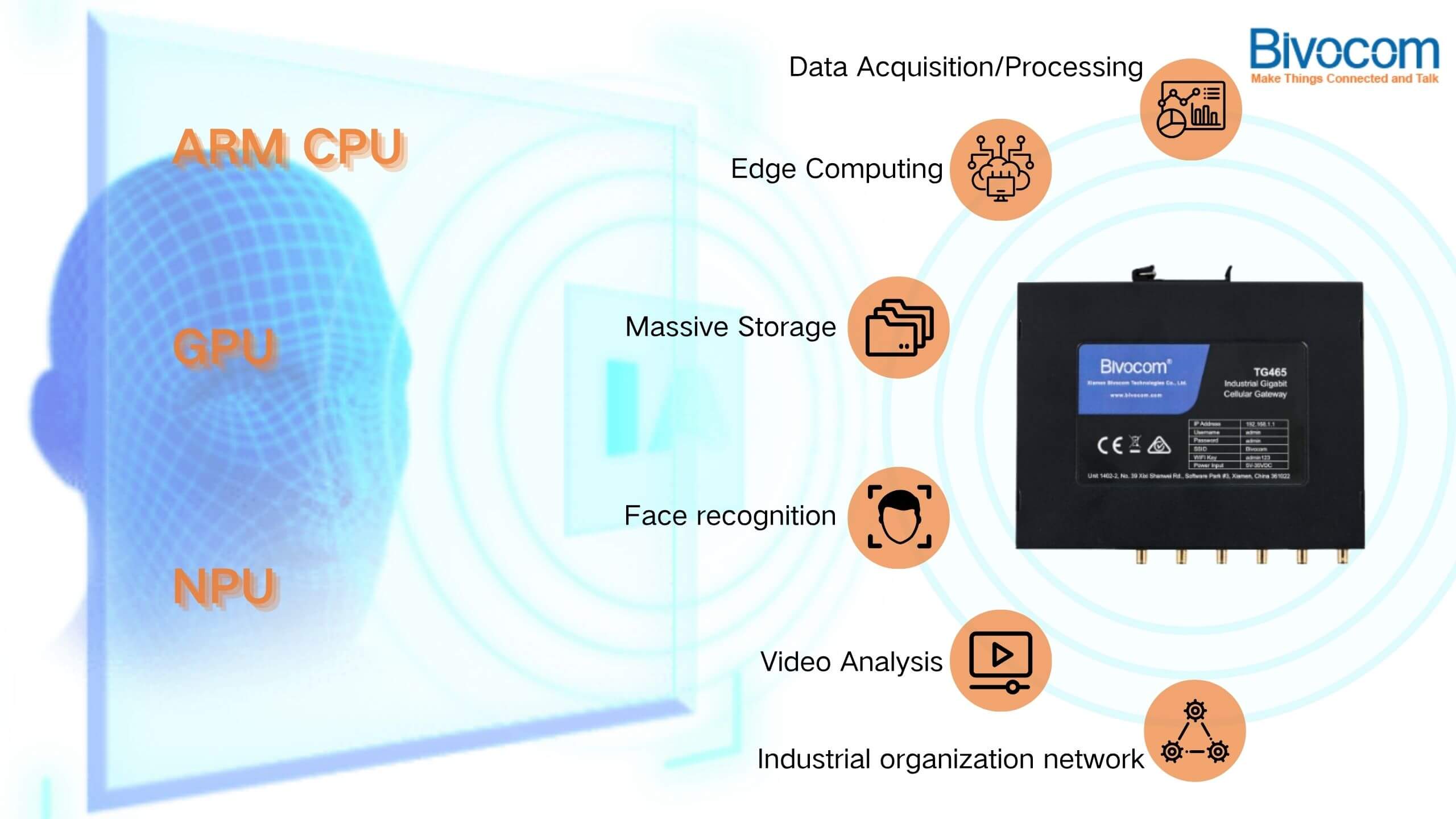
- Quad‑core 64-bit ARM Cortex‑A55 up to 2GHz; NPU up to 1 TOPS
- 2GB RAM (8GB option); 16GB eMMC flash (128GB option); NVMe SSD up to 2TB
- 4x Gigabit RJ45; 6x RS485; 1x RS232; 4x DI; 4x Relay
- 5G NR (dual‑SIM option); Wi‑Fi 6 option; -35°C to +75°C operating temperature
- Protocols: Modbus RTU/TCP, OPC UA, DNP3, IEC 101/104, MQTT, JSON, TCP/UDP, BACnet
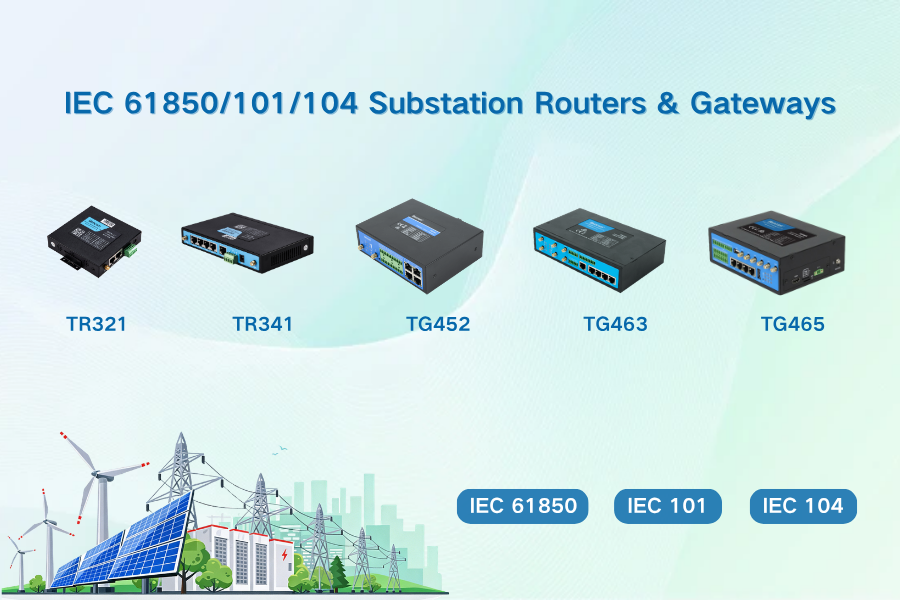
Why it works for utility parks: The TG465 supports power‑specific protocols like IEC 104 and DNP3, enabling real‑time dispatch response. Its 1 TOPS NPU runs AI‑driven power prediction and predictive maintenance locally. With global 5G/4G and dual‑SIM failover, it maintains connectivity even in remote areas. It‘s ideal for large‑scale PV/wind farms and smart grid core nodes. For substation integration, the TG465 operates as an IEC 61850 gateway, handling MMS client/server and protocol conversion between legacy Modbus/IEC 104 equipment and modern IEDs.
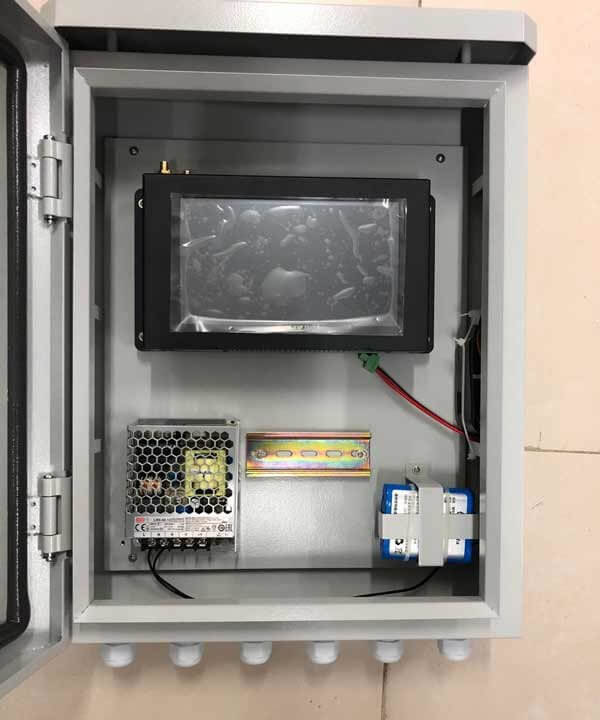
TG462S: Touch Screen IoT Edge Gateway
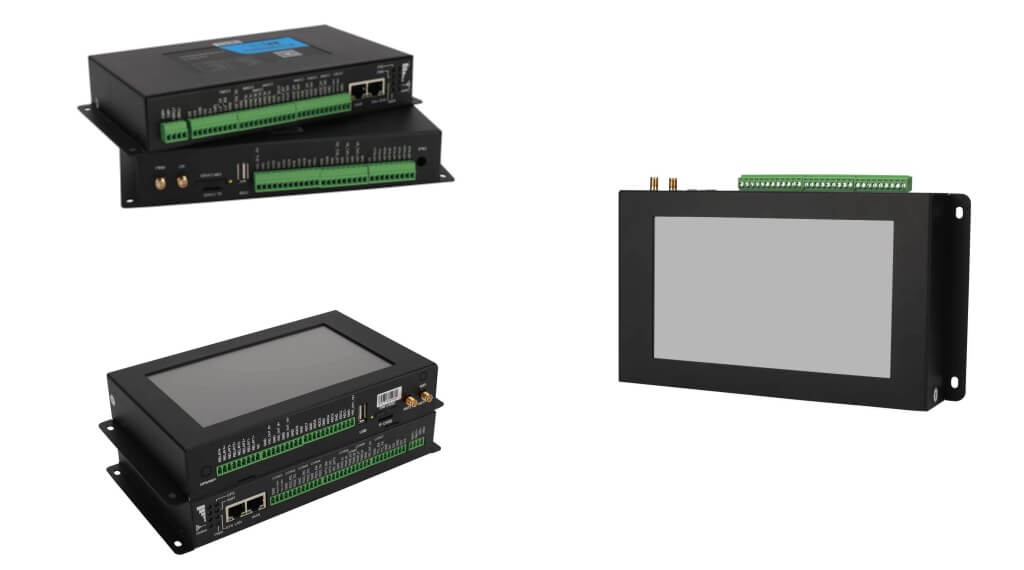
Best for: C&I rooftop plants, substation control rooms, and any site needing on‑site visualization.
- 7-inch HD touch screen; 800×480 resolution
- 32-bit ARM Cortex-A7 at 528MHz; up to 1GB flash; Micro SD up to 32GB
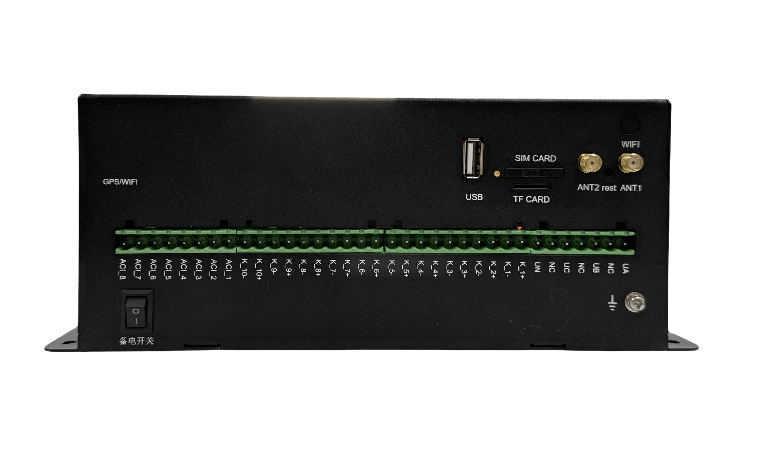
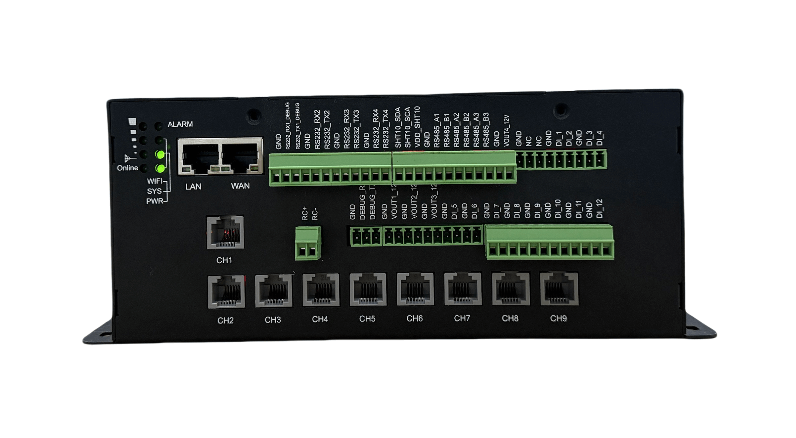
- 4x RS232; 3x RS485; 4x DI; 8x ADC; 4x Relay; 5x Power Output; I2C; TTL; USB
- 4G LTE (CAT6/CAT4) -35°C to +75°C operating temperature
- Protocols: Modbus RTU/TCP, MQTT, JSON
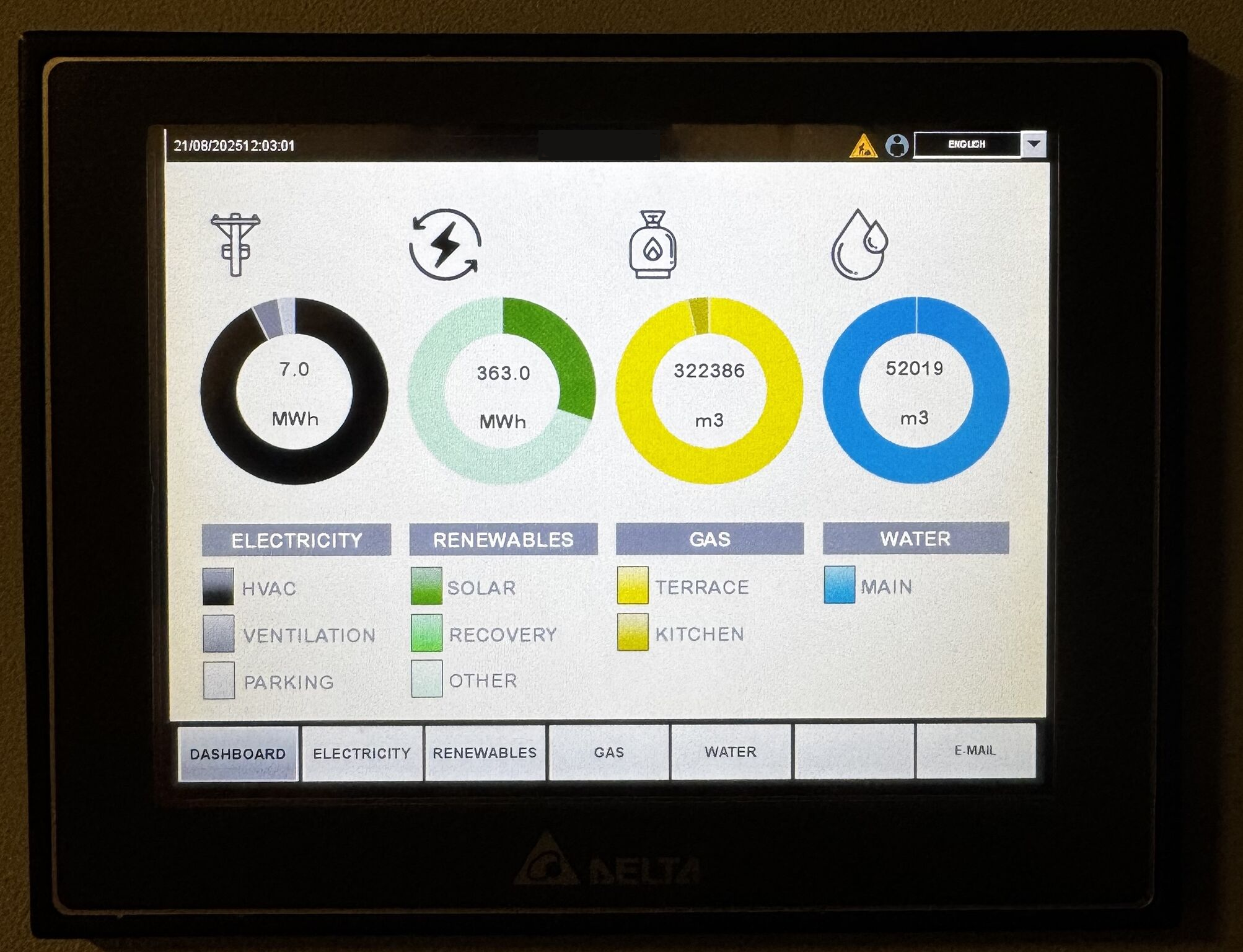
Why it works for C&I rooftops: The TG462S solves two problems at once. Edge‑native processing closes the anti‑export loop in under two seconds—no cloud latency. The built‑in touch screen lets facility managers see real‑time generation, building load, and cumulative savings without logging into a remote server. The rich I/O suite connects directly to inverters, meters, sensors, and relay outputs for power control. The TG462S also serves as a local HMI for battery cabinets and remote sites, storing up to 32GB of data for audit trails.
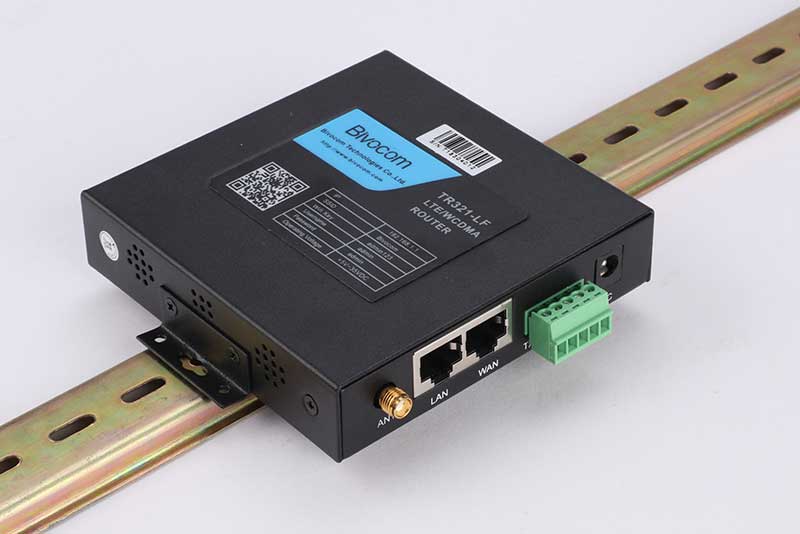
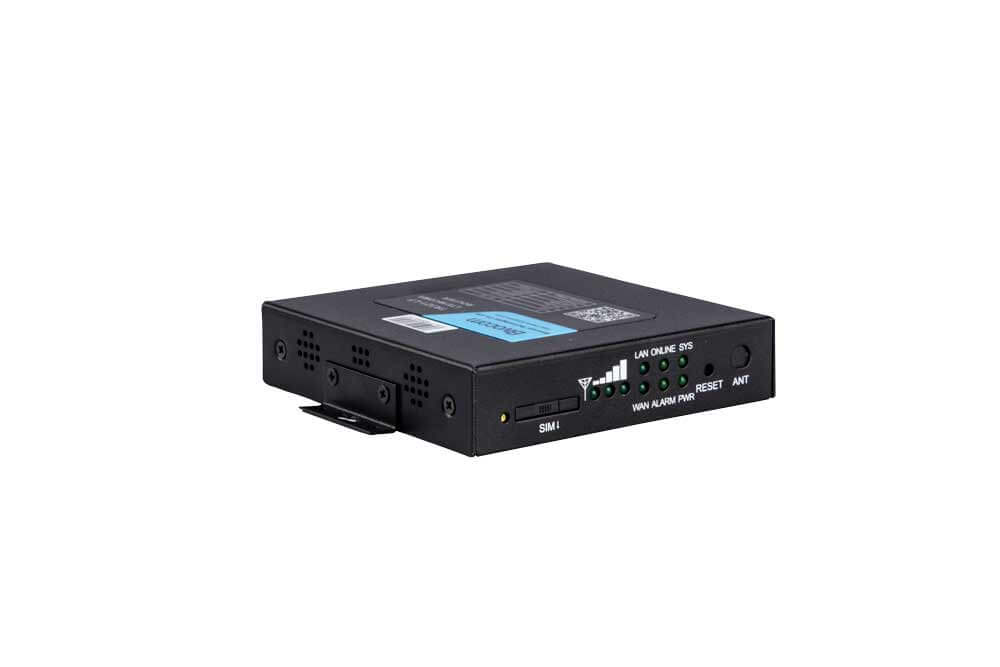
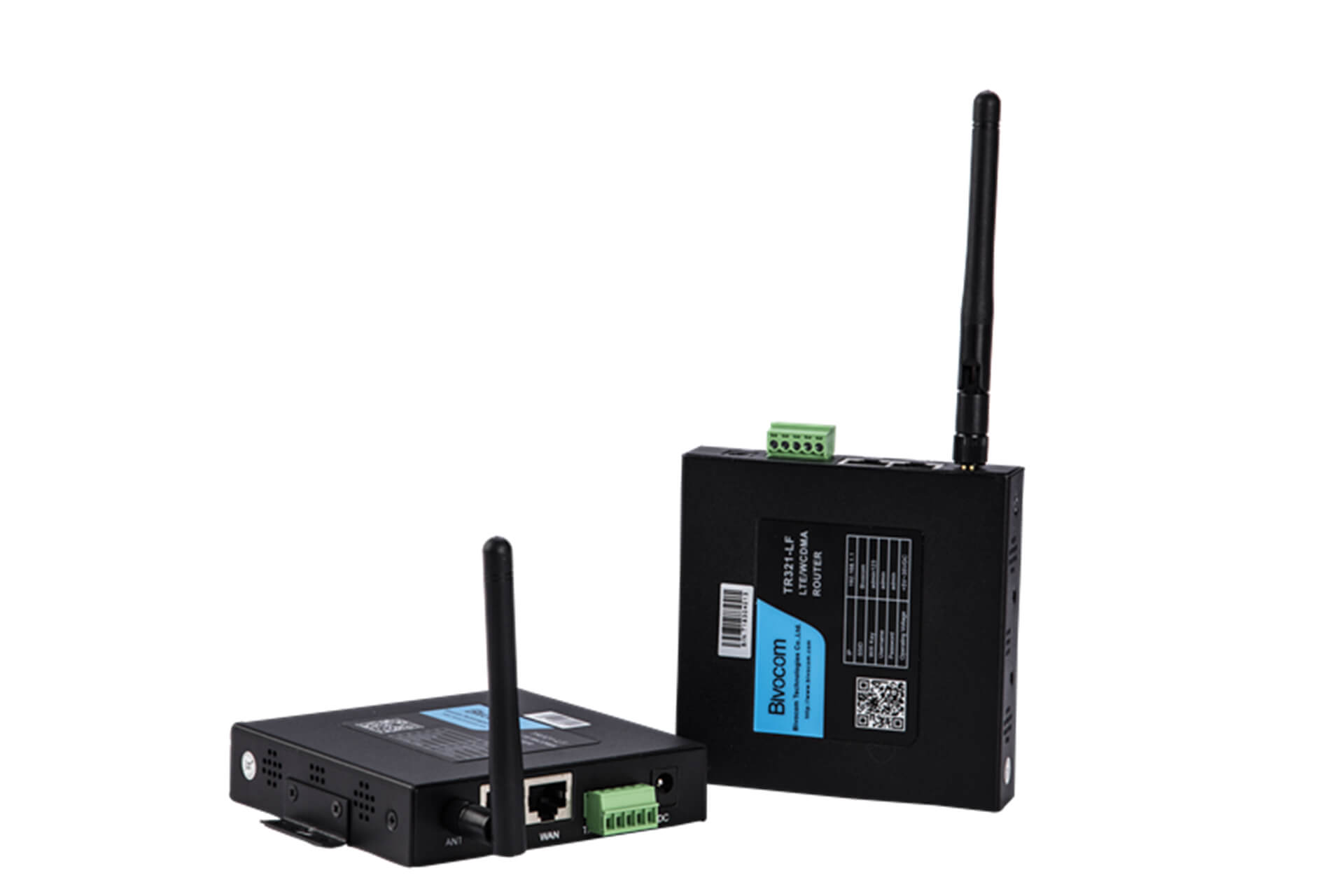
TR321: Compact Industrial Router
Best for: Smart metering, remote device connectivity, and low‑power distributed monitoring.
- 4G LTE, LTE CAT M1, NB‑IoT; 1x RS232; 1x RS485; 2x RJ45
- Failover between wireless and wired WAN; Modbus RTU/TCP, MQTT, JSON, VPN
Proven deployments: The TR321 is widely used for smart metering and distributed monitoring in commercial buildings, industrial facilities, and residential complexes. It connects to power meters, environmental sensors, and other field devices over Modbus RTU, then transmits data securely via 4G/LTE or NB‑IoT to cloud platforms for real‑time energy analysis.
Capabilities Built Into Bivocom Solar IoT Solution
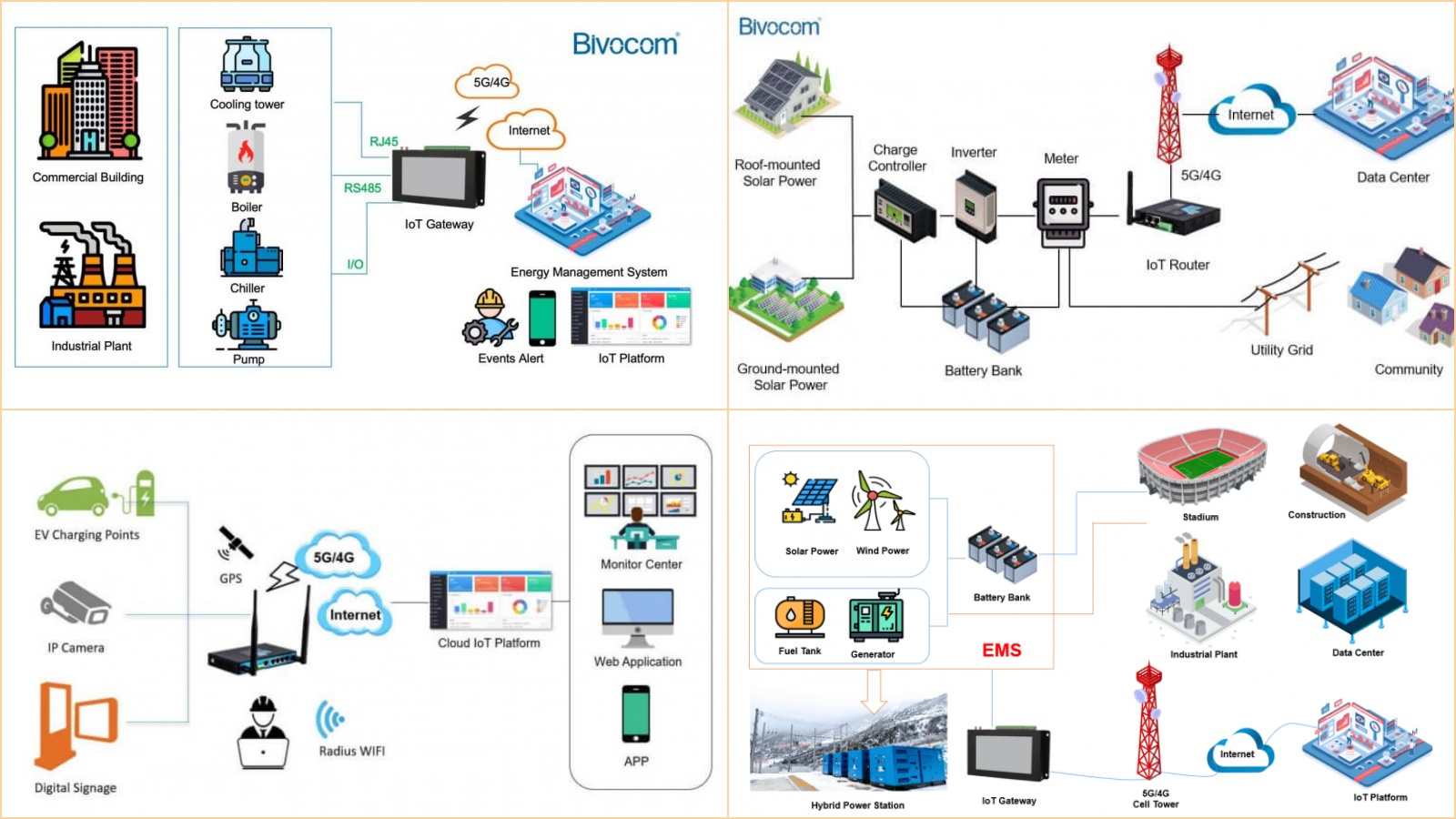
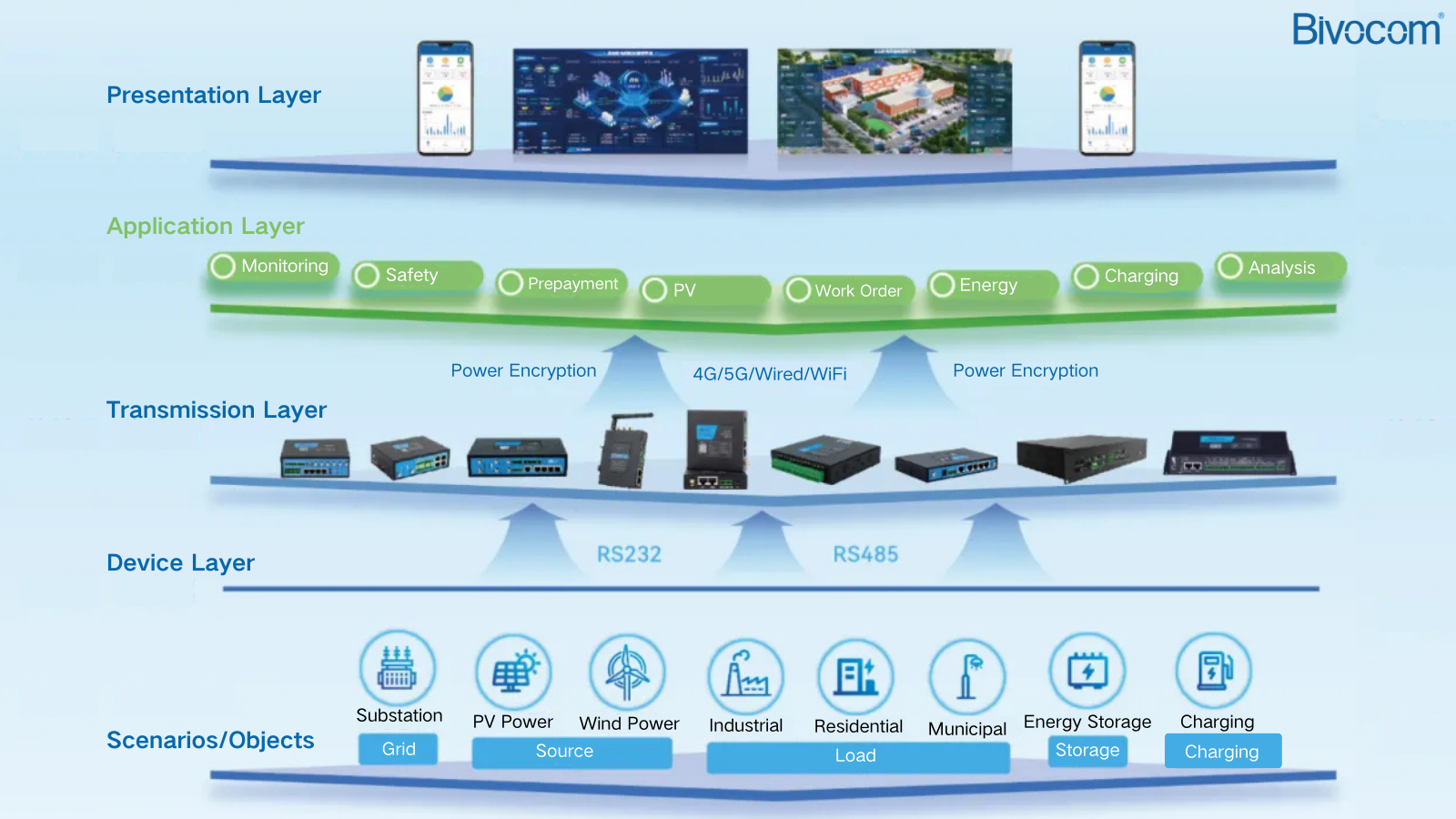
Every hardware unit within Bivocom’s solar IoT solution runs in-house developed industrial IoT architecture. Four core functional pillars guarantee stable, intelligent operation across all solar deployment types.
- Cross-Brand Industrial Protocol Compatibility. Each device natively supports Modbus RTU/TCP, OPC UA, DNP3, IEC 101/104, IEC 61850, and MQTT. This plug‑and‑play connectivity works with nearly all global inverter, meter, and sensor brands—reducing custom development and accelerating project deployment.
- Multi‑mode redundant networks. The entire product line supports concurrent 4G/5G cellular, LoRa, Wi-Fi and Ethernet. Additionally, it features dual-SIM carrier failover, which is vital for operations at remote ground-mount solar sites. Built‑in protocol conversion translates field‑side Modbus into standard MQTT and REST JSON APIs for seamless cloud integration.
- Local edge computing for low latency. Onboard edge logic executes control workflows without cloud round trips. It completes grid dispatch power adjustments within five seconds for utility parks and zero‑export power trimming within two seconds for C&I rooftops. This minimal latency ensures full compliance with local grid codes worldwide.
- Secure data storage and remote OTA updates. High‑capacity onboard storage enables store‑and‑forward data retention, protecting billing and audit records during temporary network outages. Unified over‑the‑air firmware updates support one‑batch remote upgrades for all deployed devices, reducing costly on‑site visits and long‑term O&M spending.
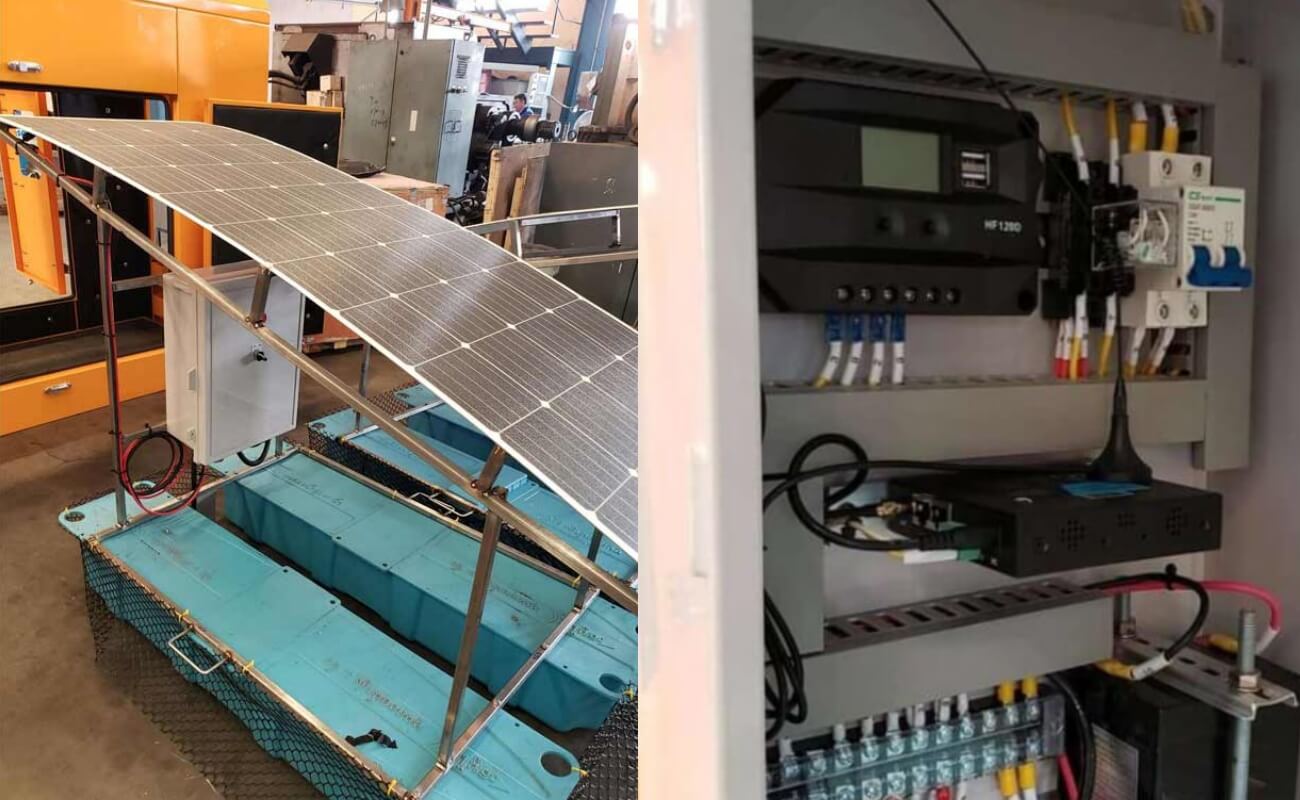
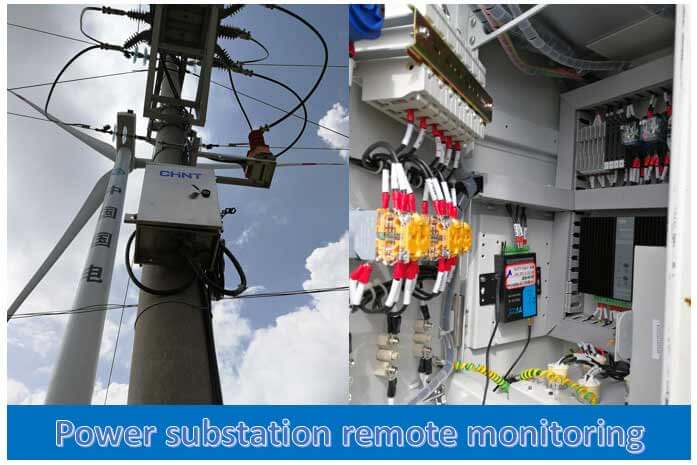
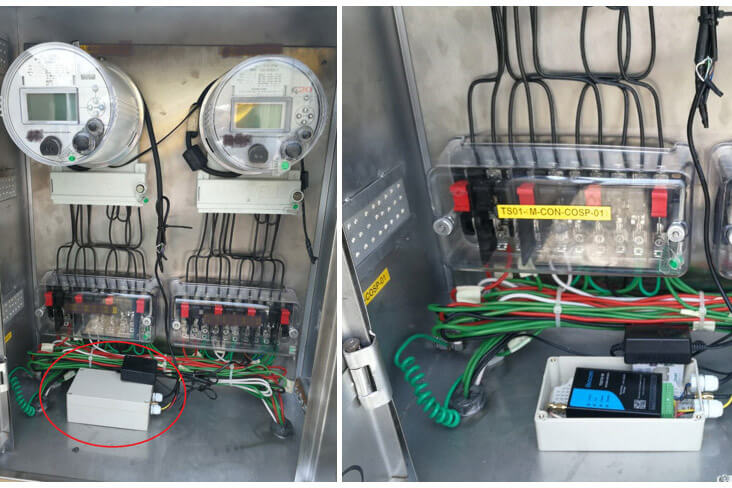
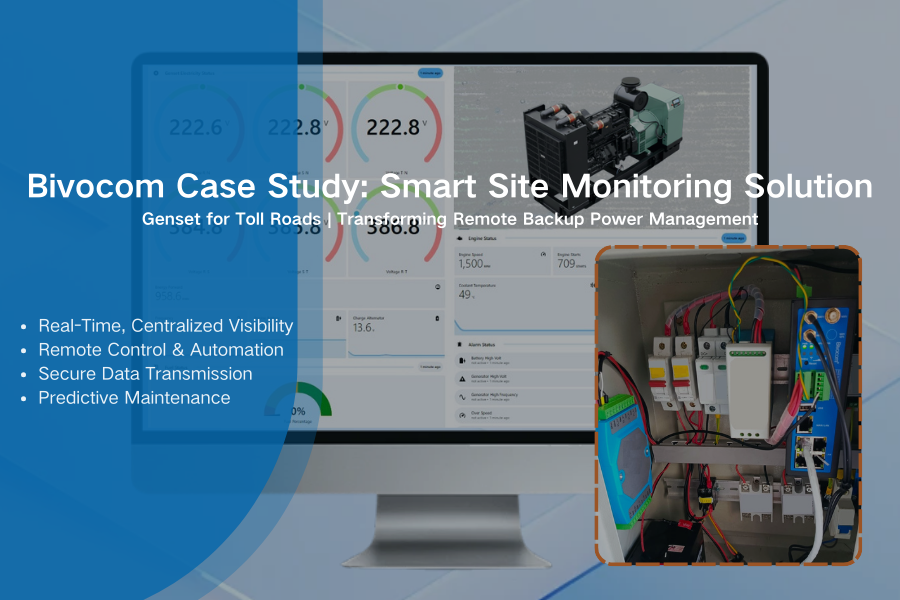
For over a decade, Bivocom has deployed industrial IoT solutions across solar, energy storage, smart buildings, and grid infrastructure worldwide. Our gateways power smart metering, generator monitoring, floating solar, and building automation—delivering universal protocol support, edge intelligence, and white‑label‑ready architecture in every deployment.
About Bivocom
Bivocom’s tiered hardware lineup, forms a complete solar IoT solution that covers entry-level distributed PV, mid-sized C&I rooftop systems and large utility-scale solar parks. Powered by unified protocol compatibility, redundant networking, low-latency edge computing and secure data management. Our integrated IoT architecture addresses nearly all core challenges facing today’s solar industry, including grid compliance, communication instability and high manual maintenance costs. As a trusted global IoT provider with mature OEM/ODM capabilities and comprehensive technical support, Bivocom empowers solar partners to build customized, branded monitoring systems and achieve sustainable profit growth across 20 to 25 years of solar asset lifecycles.
- Project‑stage design support: We help partners select the right gateway, antenna, and network configuration based on site size, terrain, and local grid requirements.
- Global deployment assistance: Factory pre‑provisioning, remote troubleshooting, and long‑term warranty.
- Platform ecosystem integration: Seamless connection to major cloud platforms, flexible IoT dashboards, and multi‑carrier SIM failover for uninterrupted data transmission.
Ready to build your own solar monitoring solution?
Contact us at [email protected]. Our engineering team will craft tailored solutions to fully digitalize your solar assets and maximize profitability. We deliver cost-effective, scenario-aligned hardware and software configurations tailored to your project scale and local regulations.
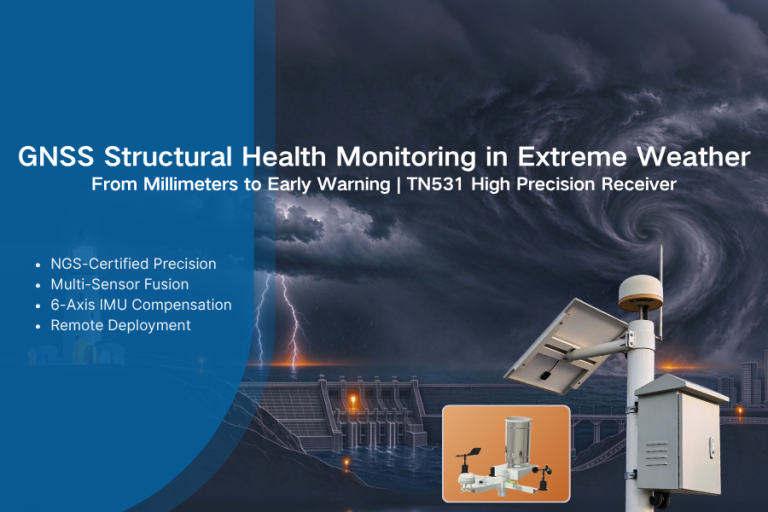
-on-Bivocom-TG465-IoT-Edge-AI-Gateway-with-Ubuntu-768x512.png "Install Ollama & Llama (LLM, large language model)) on Bivocom TG465 IoT Edge AI Gateway with Ubuntu")
Comment