Smarter Energy Storage System
As the global push for decarbonization intensifies, renewable energy sources like solar and wind are becoming dominant. However, their inherent intermittency creates a pressing challenge for grid stability. Battery Energy Storage System (BESS) have emerged as the backbone of this transition, capturing 70%+ of global new energy storage installations. Bivocom, a leader in industrial IoT communication, bridges BESS’s core components with cutting-edge IoT technology to deliver smarter, safer, and more efficient energy storage.

What Is BESS?
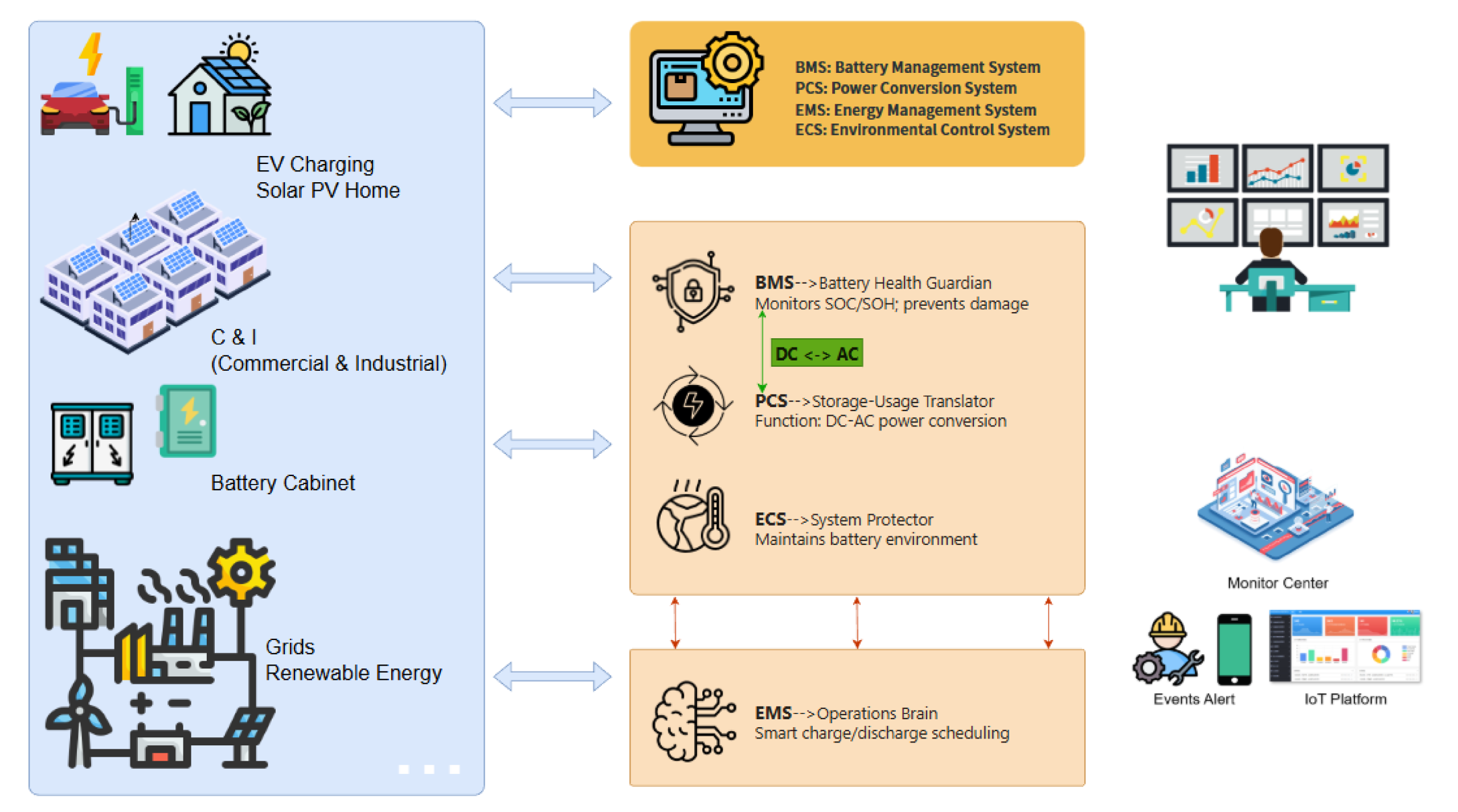
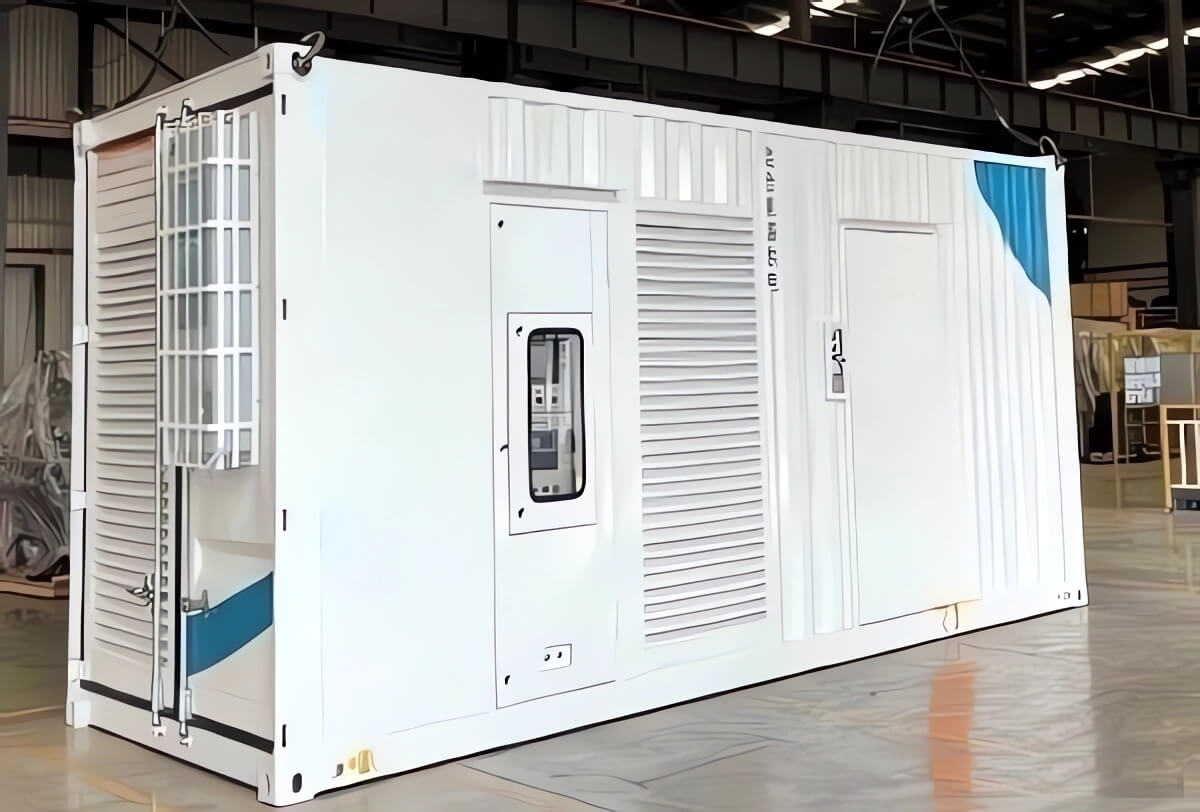
A Battery Energy Storage System (BESS) is an integrated technology solution that stores electrical energy for later use. It’s the key to balancing the intermittent nature of solar and wind power, shifting energy from times of plenty to times of need. Think of it as a “time machine” for electricity. The efficiency and intelligence of this “charge-store-discharge” cycle depend on the flawless synergy of several core components:
Key Application Scenarios
Why BESS Needs IoT?
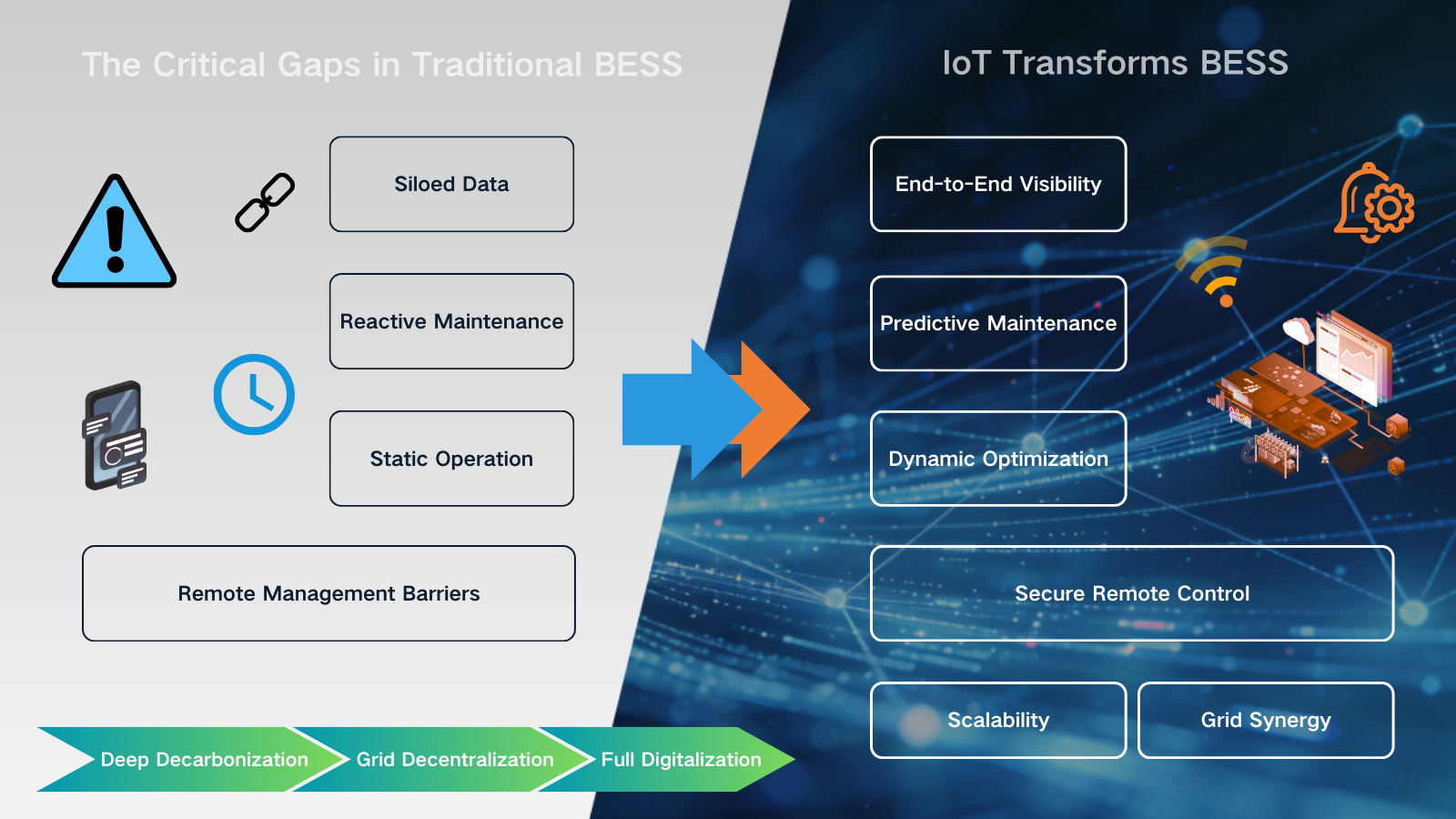
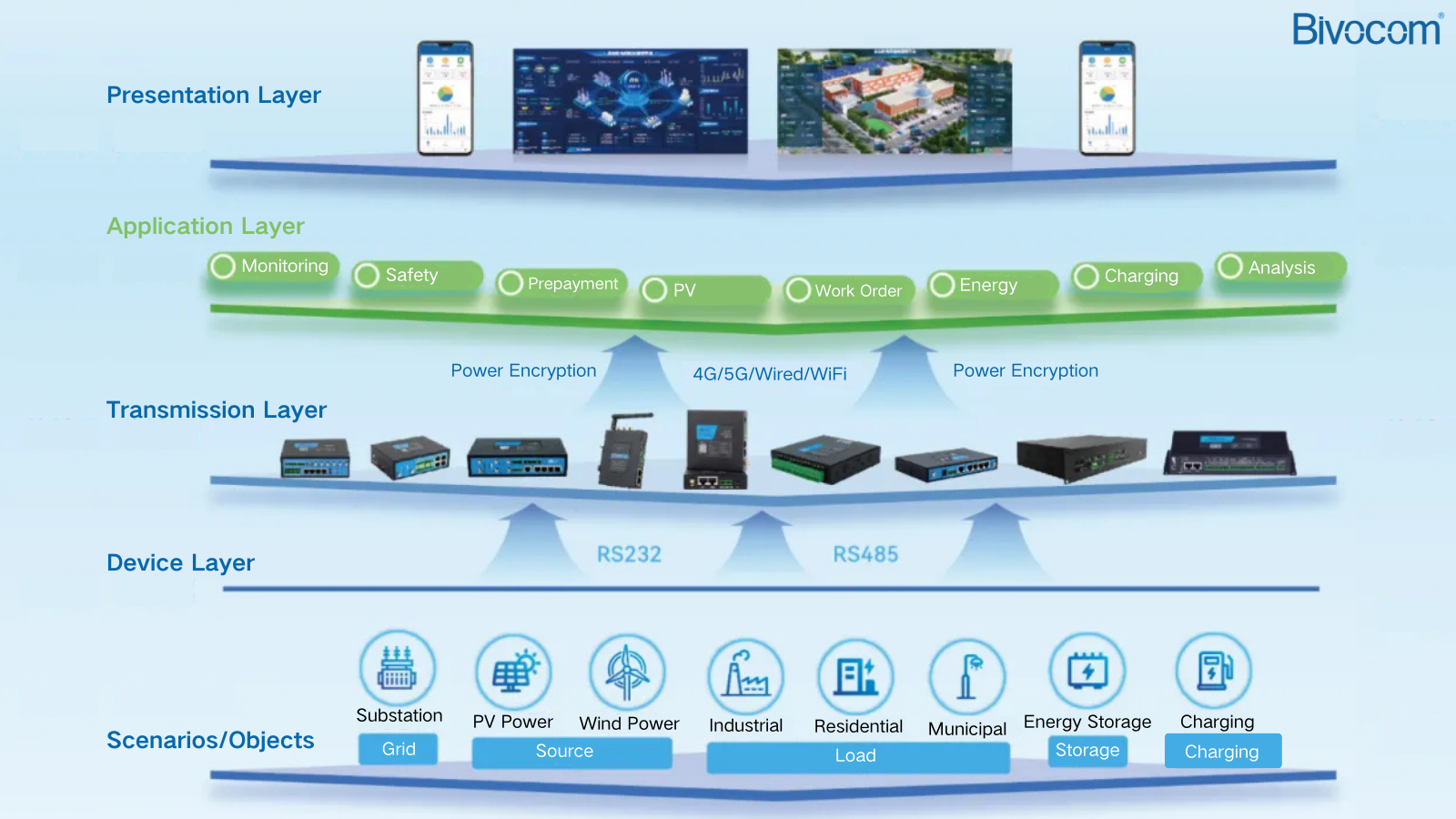
IoT technology bridges the gap between the physical BESS and the digital energy world. By deploying industrial-grade IoT hardware (GNSS/LoRa/5G routers, gateways, and RTUs), a BESS gains the connectivity and intelligence to overcome its traditional limitations.
- End-to-End Visibility: Break down protocol barriers, enabling real-time data flow and grid systems. Operators get a unified view of battery health, conversion efficiency, environmental conditions, and grid status—no more blind spots.
- Predictive Maintenance: AI-powered analytics turn sensor data into actionable insights, predicting battery degradation or PCS faults weeks in advance.
- Dynamic Optimization: IoT-enabled EMS adjusts charging/discharging in real time, aligning with renewable output, grid demand, and energy prices.
- Secure Remote Control: Cloud-based IoT platforms enable centralized management of distributed BESS—even in remote areas. Operators can adjust settings, troubleshoot issues, and update firmware remotely, cutting on-site visits.
- Scalability: Open IoT protocols and modular design let BESS fleets grow seamlessly (without reworking infrastructure).
- Grid Synergy: Two-way communication between BESS and smart grids, allowing storage to act as a “virtual power plant” (VPP) or grid stabilizer. This unlocks new revenue streams: frequency regulation, peak shaving, and backup power for utilitie.
The role of BESS is undergoing a fundamental transformation. No longer just backup power sources, they are now critical, active components in the modern energy ecosystem, driven by three megatrends:
- Deep Decarbonization: To phase out fossil fuels, grids must integrate vast amounts of variable solar and wind power. BESS storing surplus renewable generation for use during calm or dark periods.
- Grid Decentralization: The energy model is shifting from a few large power plants to millions of distributed assets—rooftop solar, microgrids, EV chargers.
- Full Digitalization: The vision of a responsive, self-optimizing “smart grid” depends on real-time data. It must become a transparent, communicative node in a vast digital network.
Bivocom BESS IoT Solutions
Bivocom BESS solutions are built on four pillars—seamless connectivity, edge intelligence, protocol compatibility, and industrial-grade reliability. We transform passive storage into active, responsive energy nodes that align with decarbonization, decentralization, and digitalization trends.
 "Battery Energy Storage System & Bivocom")
Real-World Success Cases
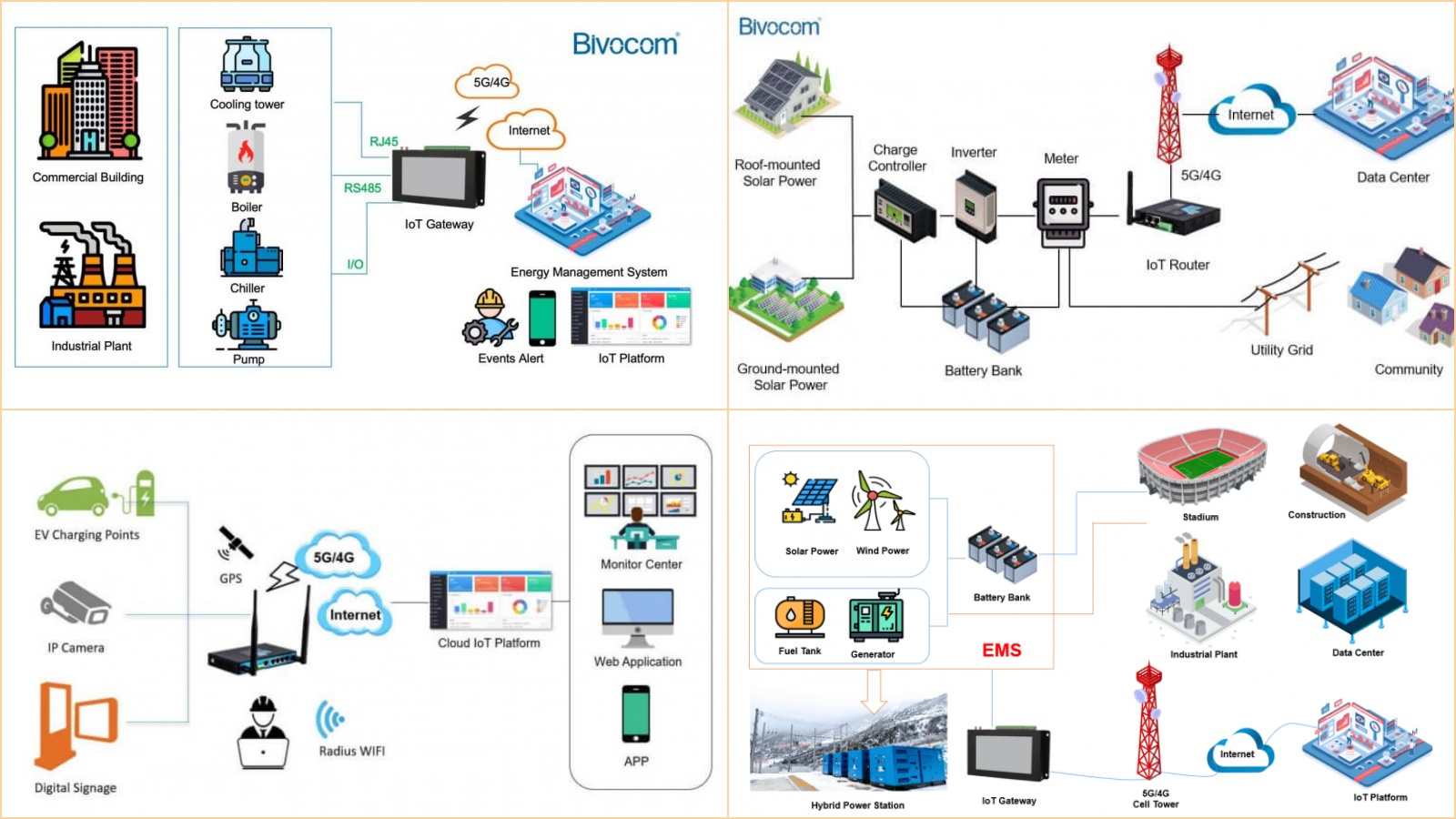
Bivocom technology is not theoretical. It is proven in demanding field applications. Below are key implementations with relevance to BESS:
- Residential & Distributed Renewable Energy: Bivocom provide reliable connectivity for solar-plus-storage systems. This integrated solution combines residential rooftop PV, heat pumps, and EV chargers. It enables full remote monitoring while stabilizing local power delivery. Compliance is ensured with key standards such as the UK Future Homes Standard.
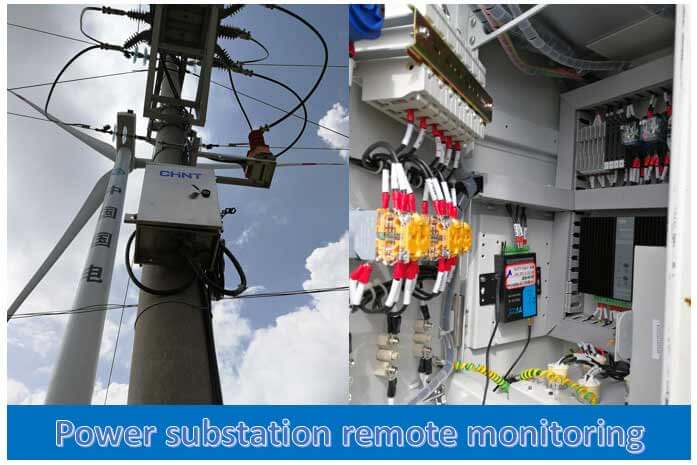
- Grid-Side & Hybrid Energy: Remote hybrid power stations and grid-side retrofits use Bivocom gateways/routers to sync BESS with EMS, enable intelligent charging/discharging, support grid stability, and cut emissions—delivering industrial-grade reliability for smart grids.
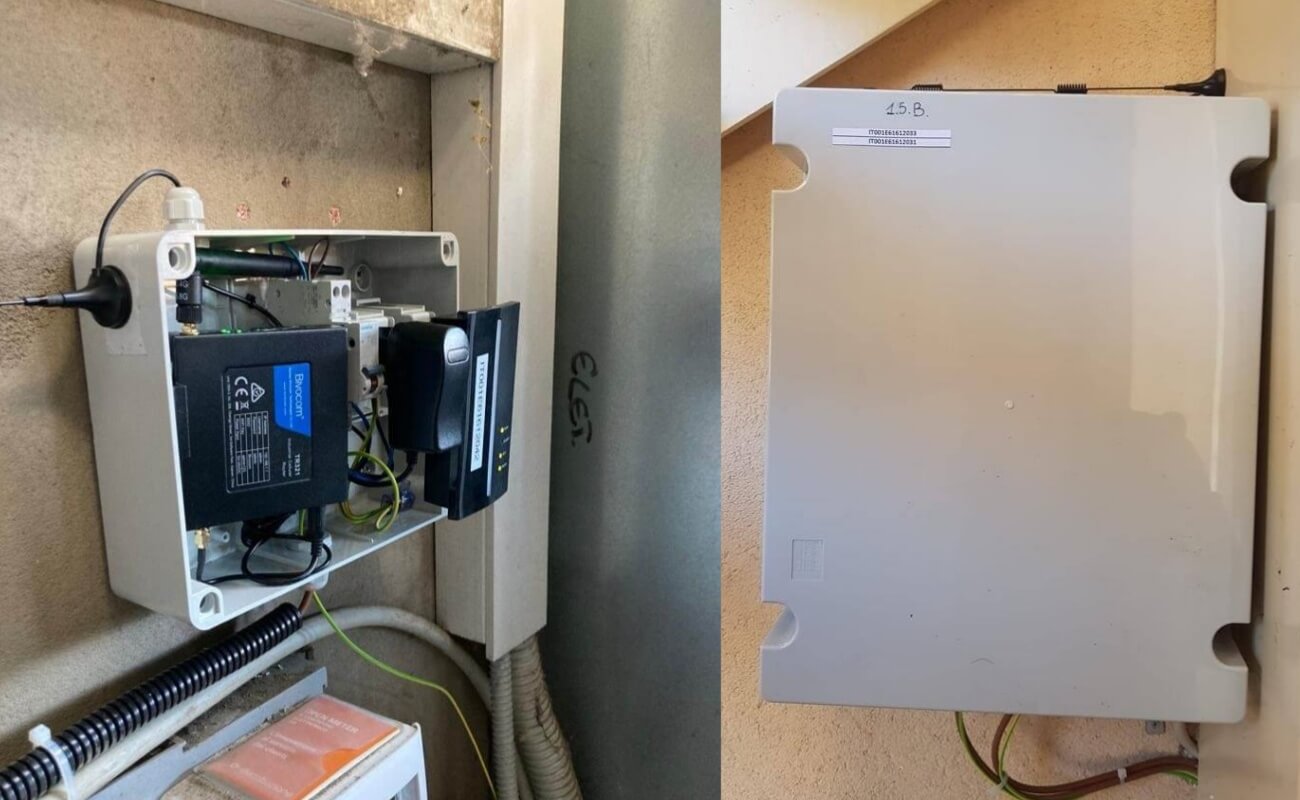
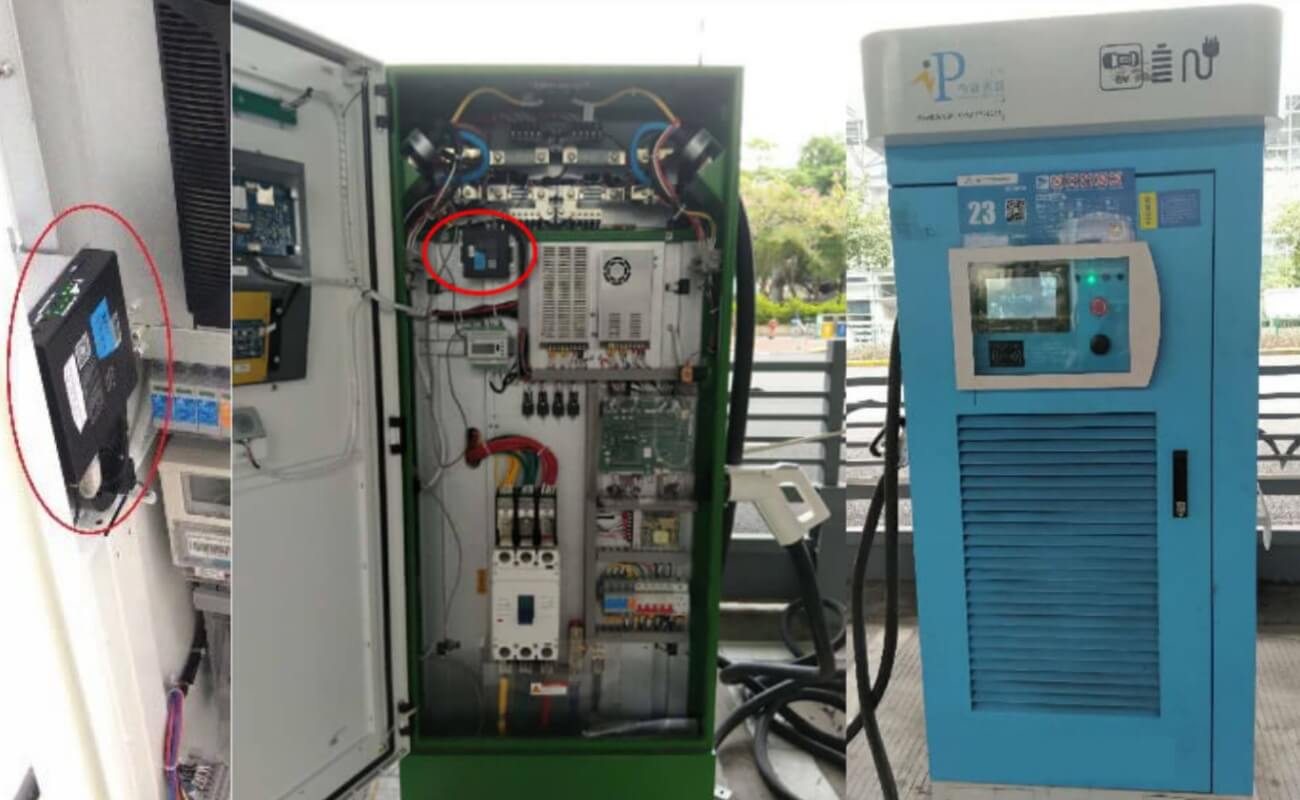
- Smart EV Charging Stations: Charging networks use TR341 routers to sync BESS with infrastructure, balancing demand with storage discharge to avoid transformer strain, enhance reliability, and lower operational costs.
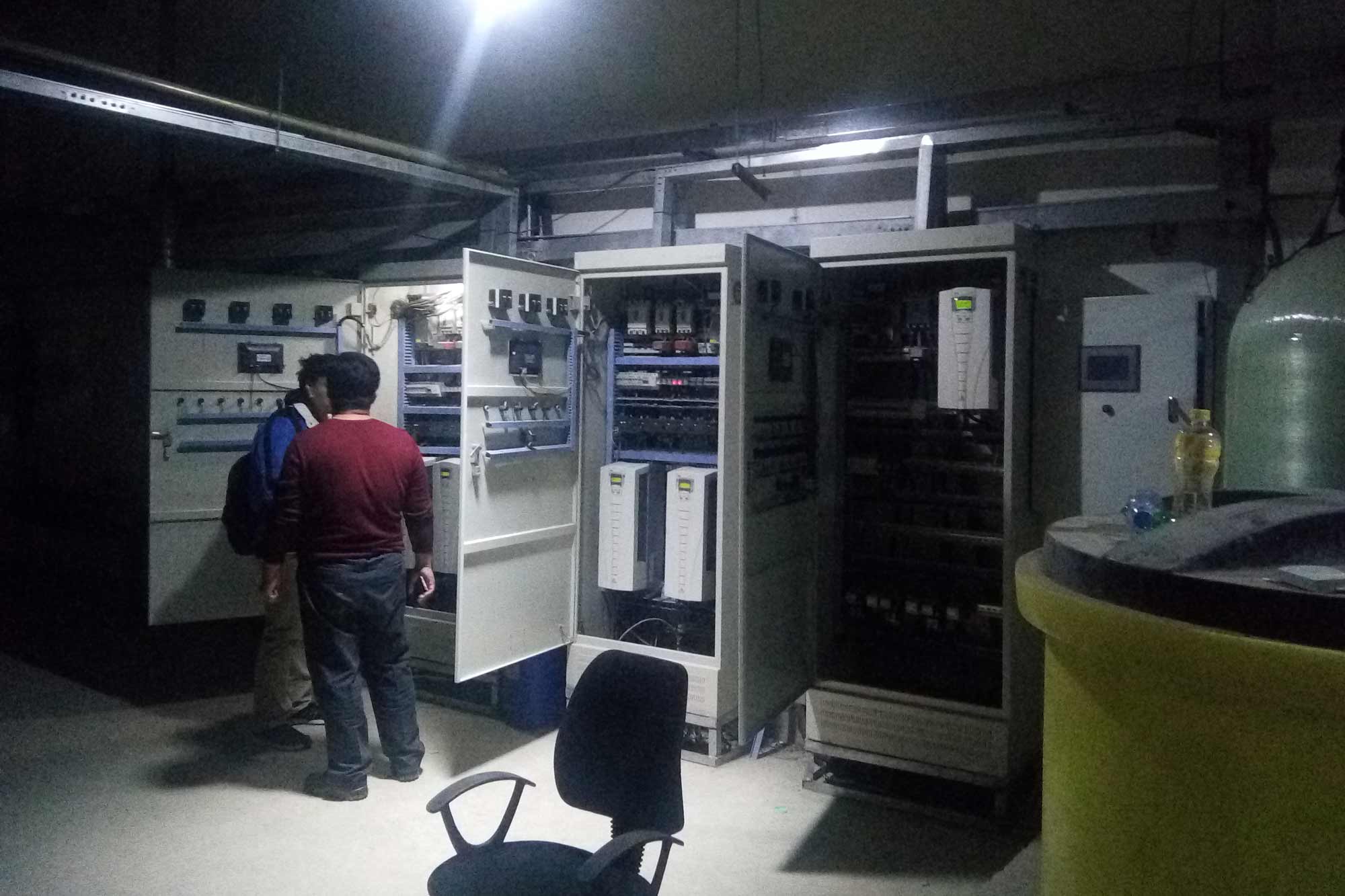
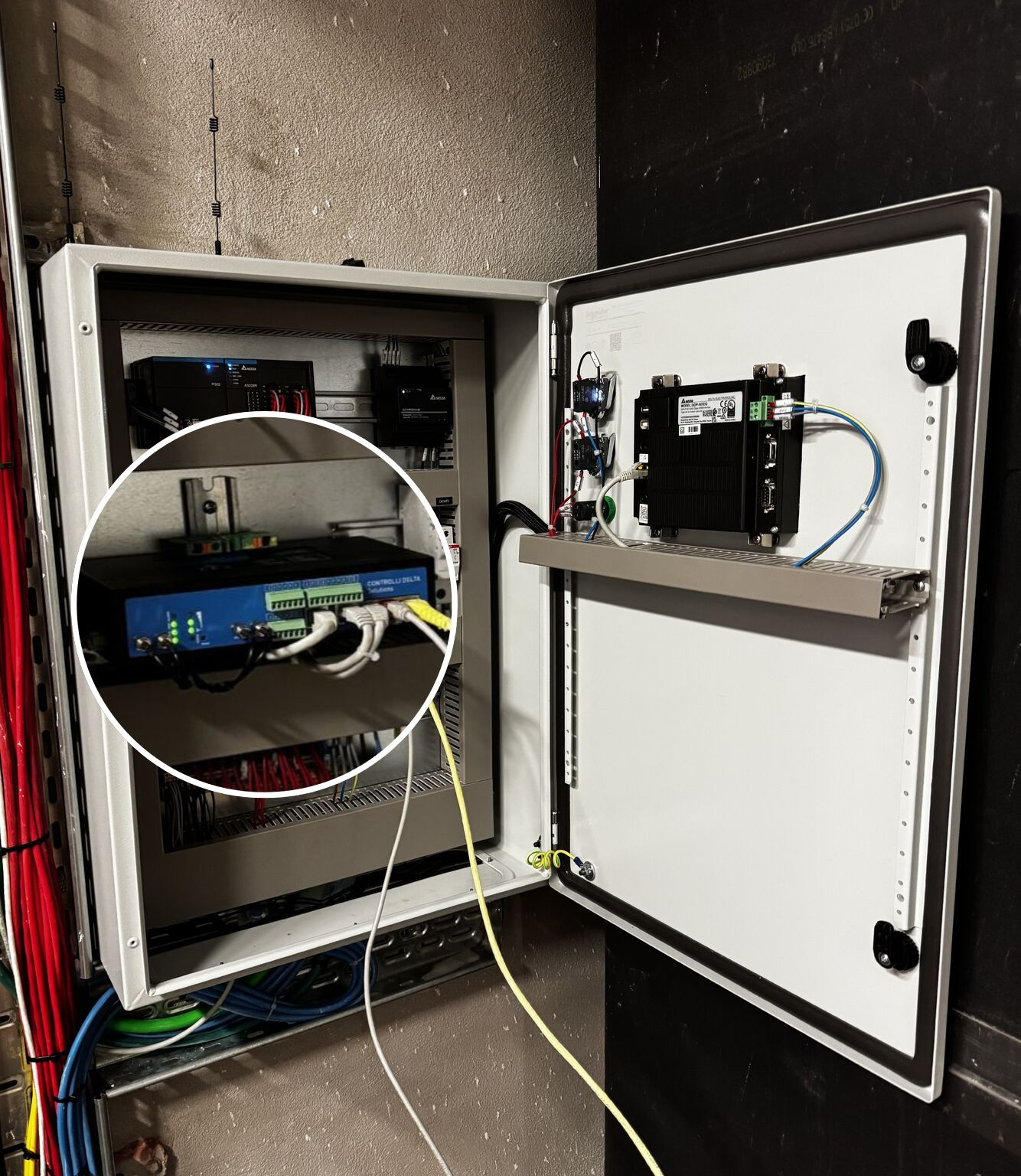
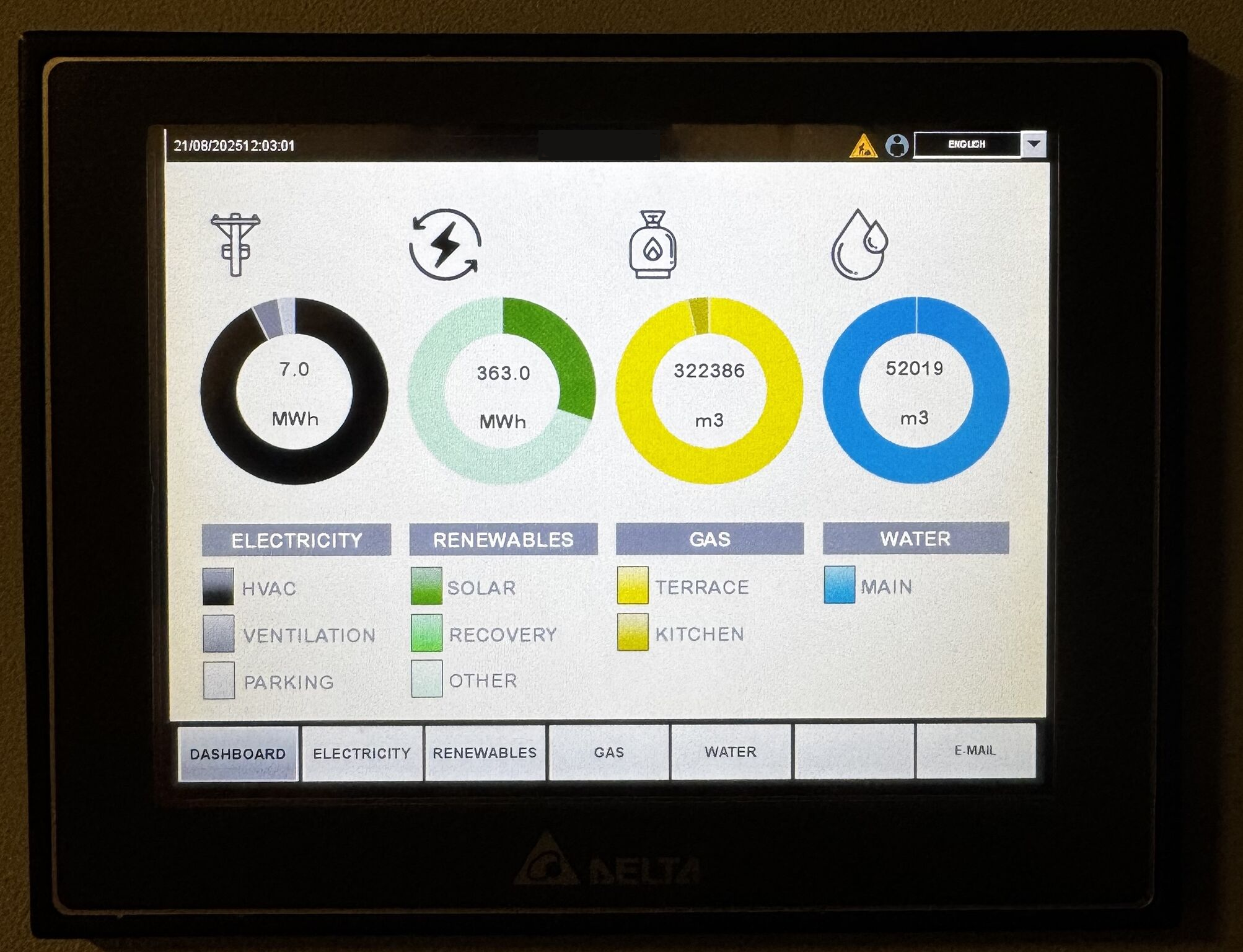
- Smart Building Energy Management (HVAC): Buildings use BESS to optimize HVAC/lighting energy use. Our intelligent gateways seamlessly integrate BESS with BEMS. Utilizing edge computing, they balance storage discharge during peak demand. This improves overall efficiency and ensures critical system uptime.
Future: Connected and Intelligent
The trajectory is clear: the future of energy storage is not just about larger batteries, but about smarter, interconnected systems.
- AI & Digital TwinPowered Intelligence: Embed high-performance NPUs in edge gateways and pair with digital twins—enabling battery lifecycle prediction, grid load forecasting, and autonomous charging/discharging.
- Material and Protocol Innovation: Supporting next-generation battery technologies (e.g., solid-state batteries) and universal communication standards to simplify BESS integration and reduce costs.
- Green Ecosystem & Autonomous Microgrids: Link BESS with EV chargers, smart buildings, and distributed renewables to build unified green energy networks (supporting net-zero goals). These systems evolve into self-healing microgrid.
-on-Bivocom-TG465-IoT-Edge-AI-Gateway-with-Ubuntu-768x512.png "Install Ollama & Llama (LLM, large language model)) on Bivocom TG465 IoT Edge AI Gateway with Ubuntu")

1 Comment