Behind the 2026 World Cup
The 2026 FIFA World Cup was co-hosted across 16 cities in the United States, Canada, and Mexico. With 48 teams, 104 matches, and millions of visitors across three countries, the tournament offered a large-scale demonstration of how smart stadium IoT deployments operate at peak intensity. Each venue hosted between 200 and 5,000 connected nodes—covering crowd management, traffic flow, energy efficiency, security monitoring, facility services and so on. For enterprise IoT and industrial solution providers, smart stadium IoT presents a familiar challenge. How do you connect thousands of sensors, controllers, and devices across a sprawling, high-density environment—and ensure every data point reaches its destination reliably, securely, and in real time? These deployment scenarios offer a valuable reference framework for industrial-grade connectivity—one that aligns directly with Bivocom‘s core design philosophy.
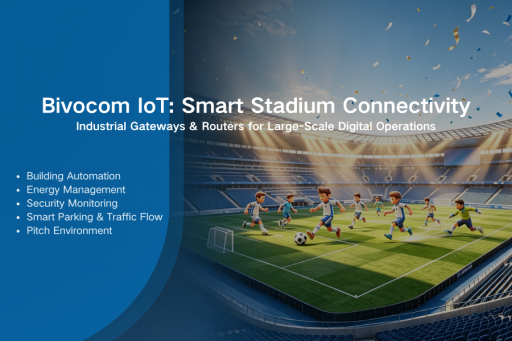
Pitch Environment & Match Data Monitoring
Sensing system on the competition field relies on stable communication to maintain turf quality and ensure accurate match data delivery. Turf sensors track soil humidity, pH values, and local meteorological conditions, while athlete tracking vests, smart match balls, and offside cameras generate millisecond-level data. Structural safety sensors also monitor stress on grandstand roofs and guardrails throughout the tournament.
The connectivity requirement. Field-deployed sensors operate in exposed environments with temperature fluctuations, electromagnetic interference from LED screens and audio systems, and limited physical access for maintenance. They require low-power, long-range connectivity for environmental sensors, ultra-low-latency backhaul for officiating data. And wide-temperature hardware that performs reliably from -35°C to +75°C without protective enclosures.
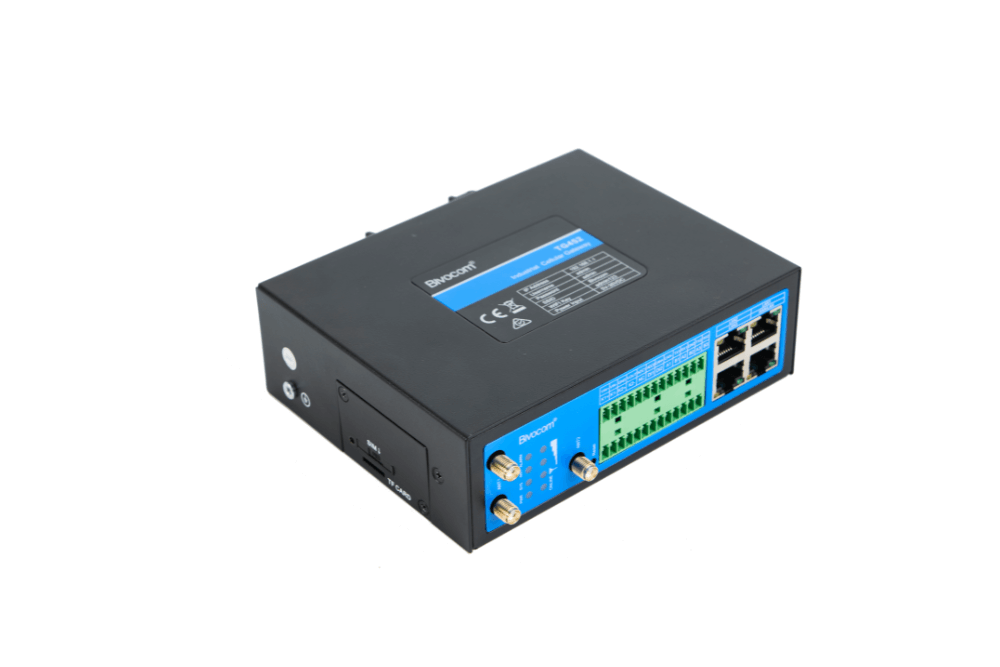
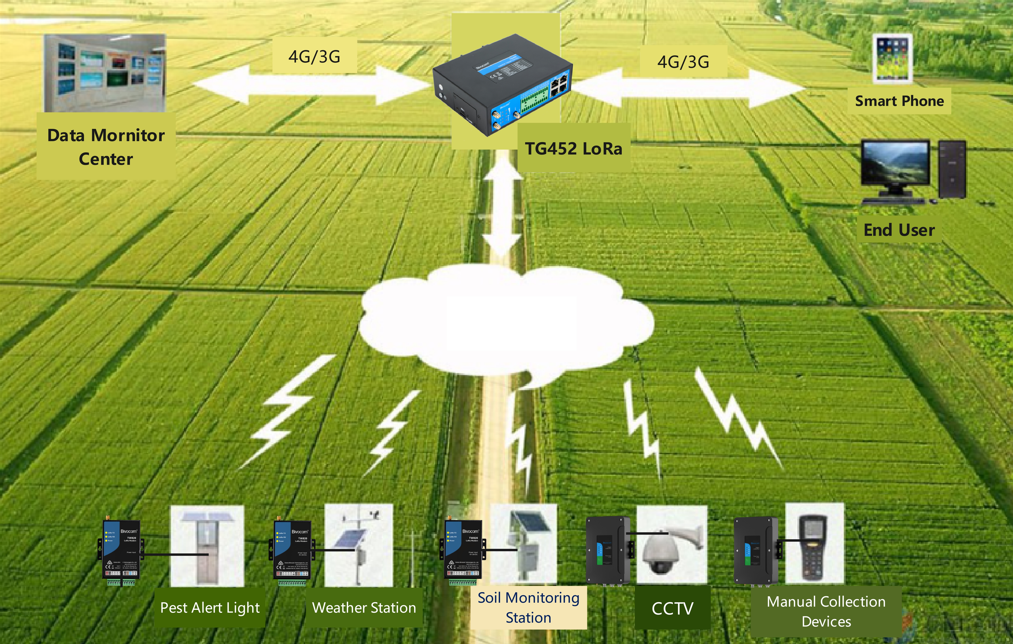
Relevant industrial solution. The Bivocom TG452 LoRa Gateway connects turf and structural sensors with up to 10 km line-of-sight LoRa communication for wireless sensor expansion across large pitch areas. Powered by a 32-bit ARM Cortex-A7 processor running OpenWRT-based Linux, it processes data at the edge and transmits to central dashboards over 4G.
Building Automation and Energy Management
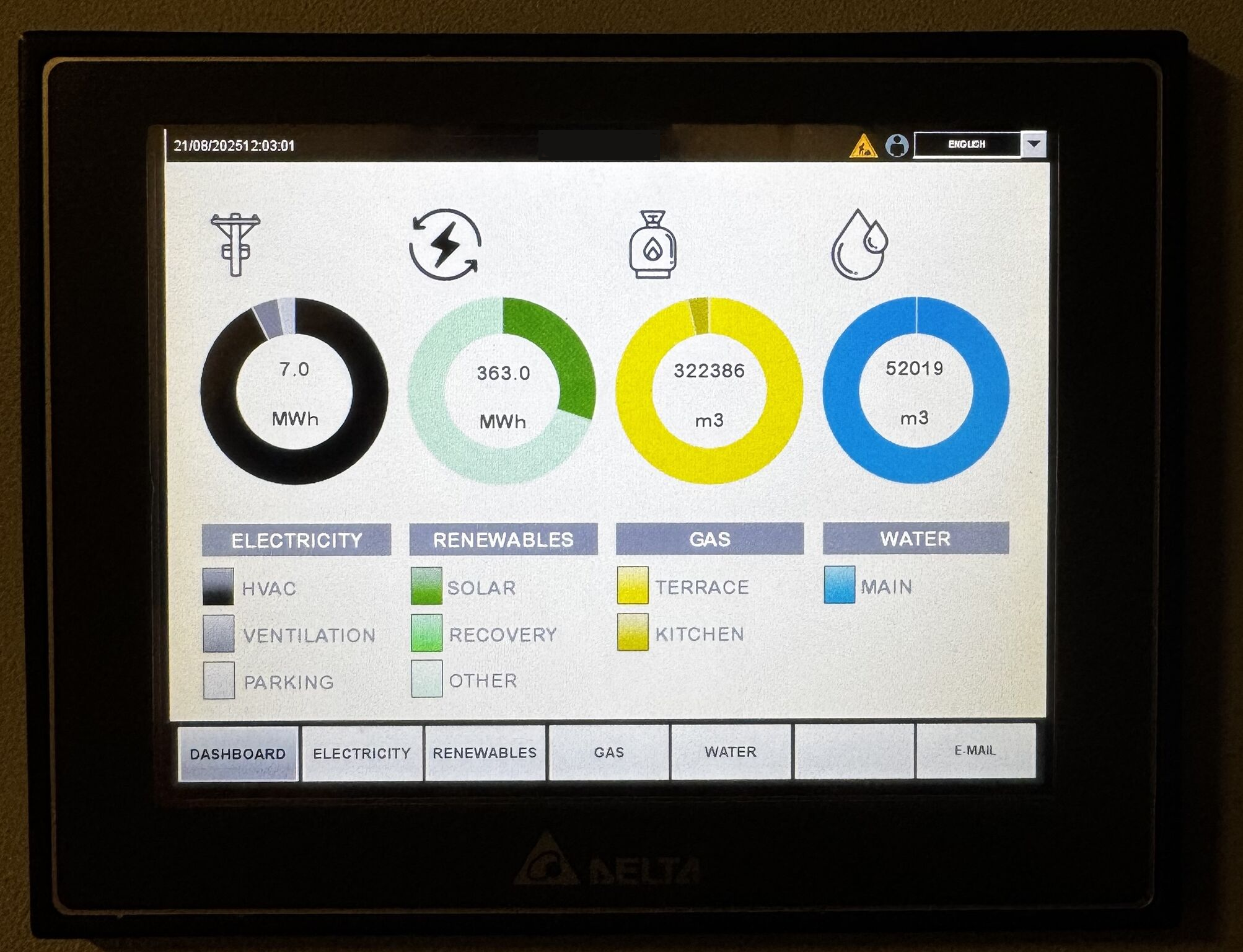
Modern stadiums are energy-intensive facilities. HVAC systems, lighting arrays, VAR equipment, and concourse displays must operate in harmony while keeping energy consumption under control. Smart Stadium IoT solutions use building automation systems that continuously monitor temperature, humidity, CO₂, and occupancy data through distributed sensor networks. These systems dynamically adjust air conditioning, ventilation, and lighting based on real-time conditions.
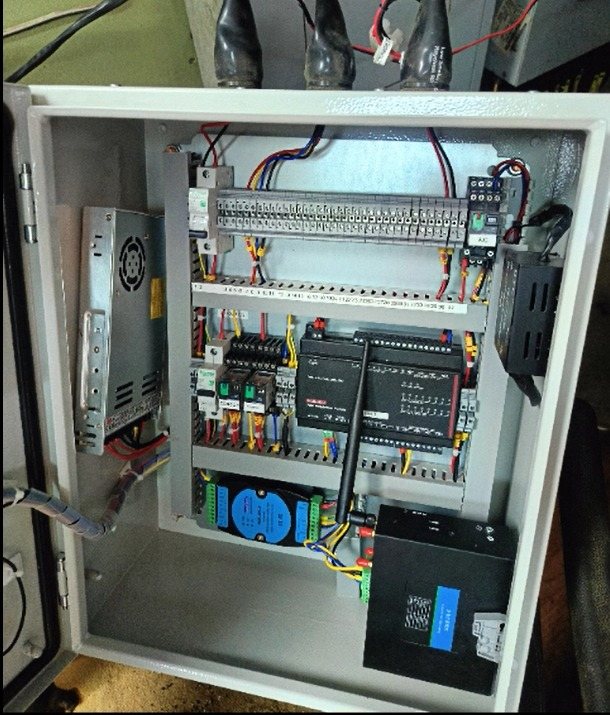
The connectivity requirement: Sensors and building controllers are deployed throughout the facility—from underground service tunnels to rooftop equipment rooms. They communicate over diverse industrial protocols like BACnet, Modbus, and MQTT. An industrial IoT gateway must bridge these legacy field devices to cloud-based building management platforms, process data at the edge for low-latency response, and maintain connectivity even in electrically noisy environments.
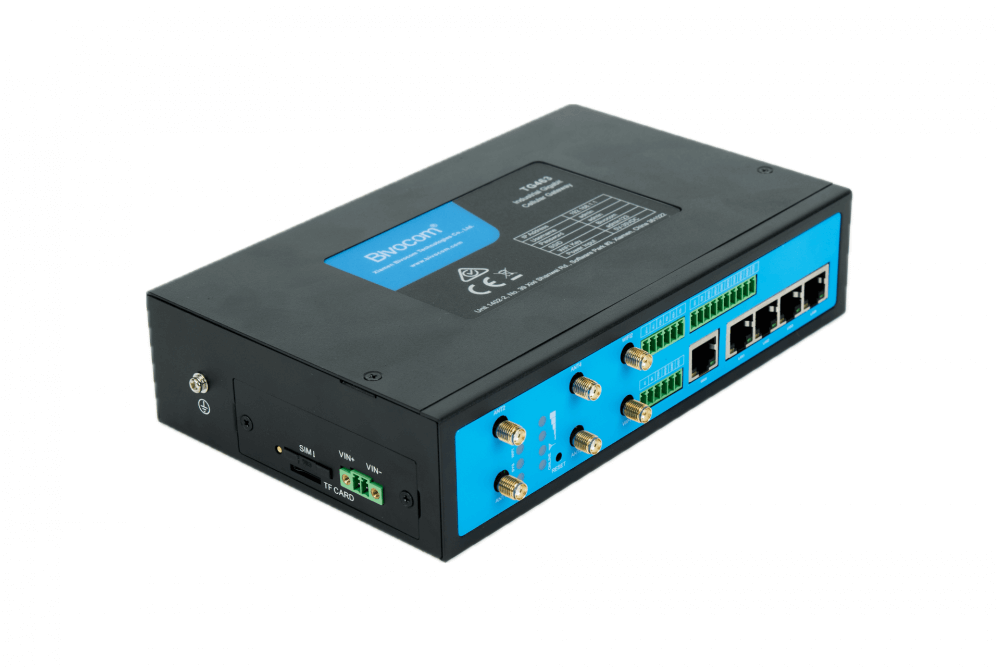
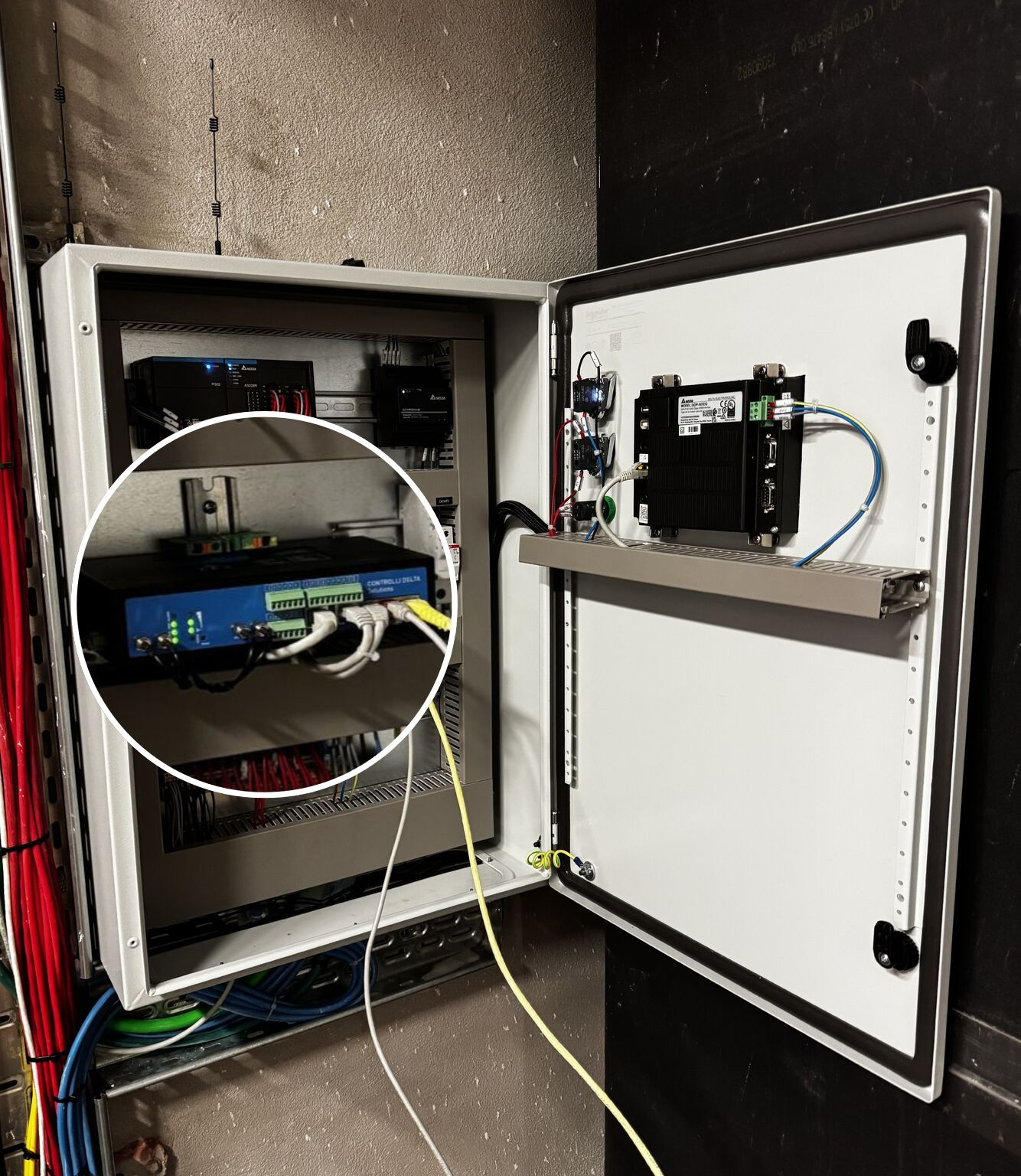
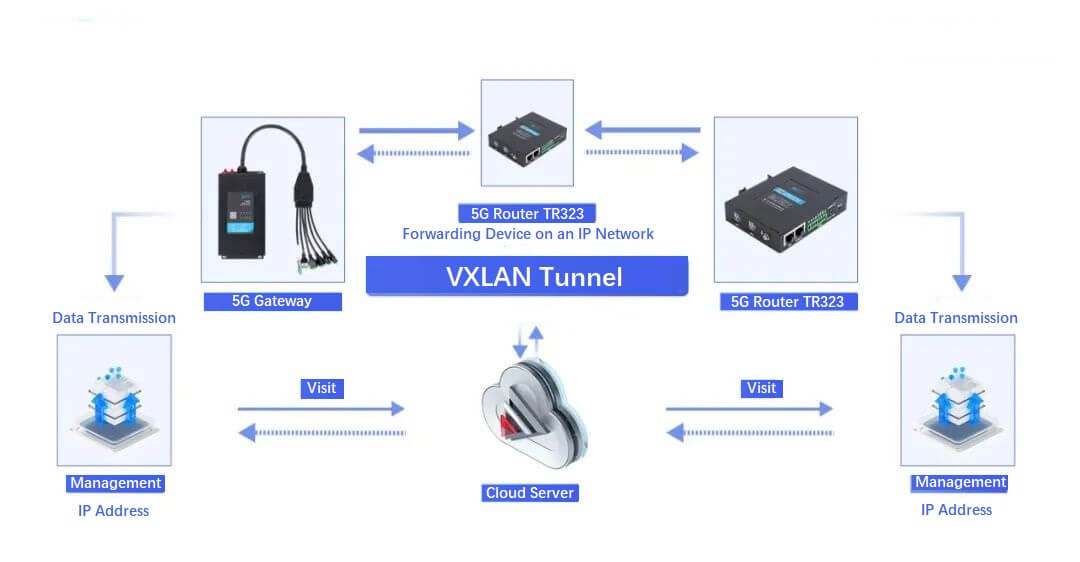
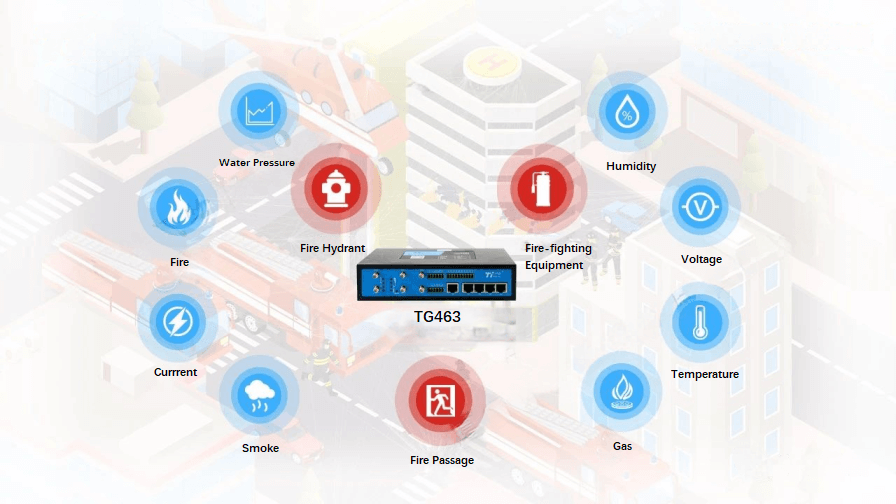
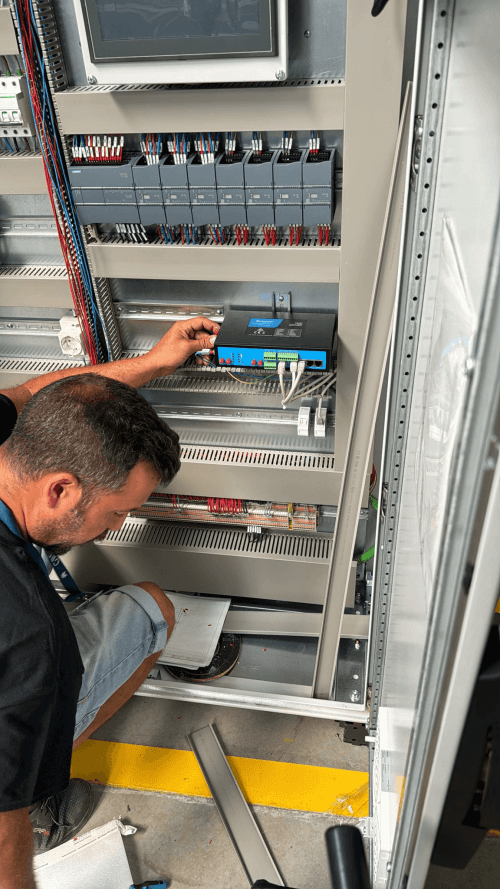
Relevant industrial solution: The Bivocom TG463 5G IoT Gateway supports BACnet MS/TP and BACnet/IP connectivity, Python-based edge control, and secure transmission. With 5 Ethernet ports (4 with PoE option), dual SIM failover, and wide-temperature operation, it ensures reliable performance in demanding environments. For multi-site deployments, the TG463’s VXLAN support enables secure network virtualization across distributed locations. Fire control systems can connect directly to digital I/O ports (2 inputs, 3 relay outputs)—once alarm panels trigger, gateways activate evacuation lighting and emergency broadcasts offline, without relying on cloud connectivity.
Smart Parking and Traffic Flow
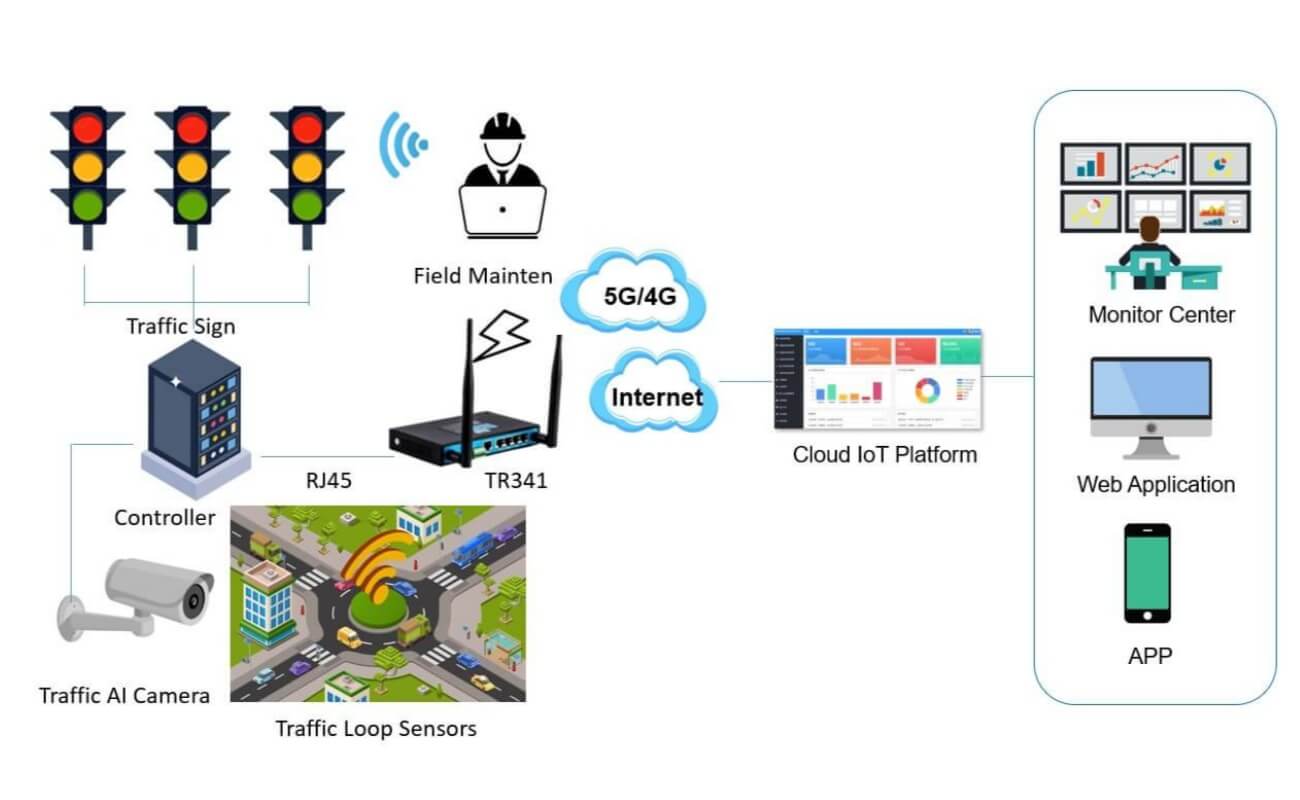
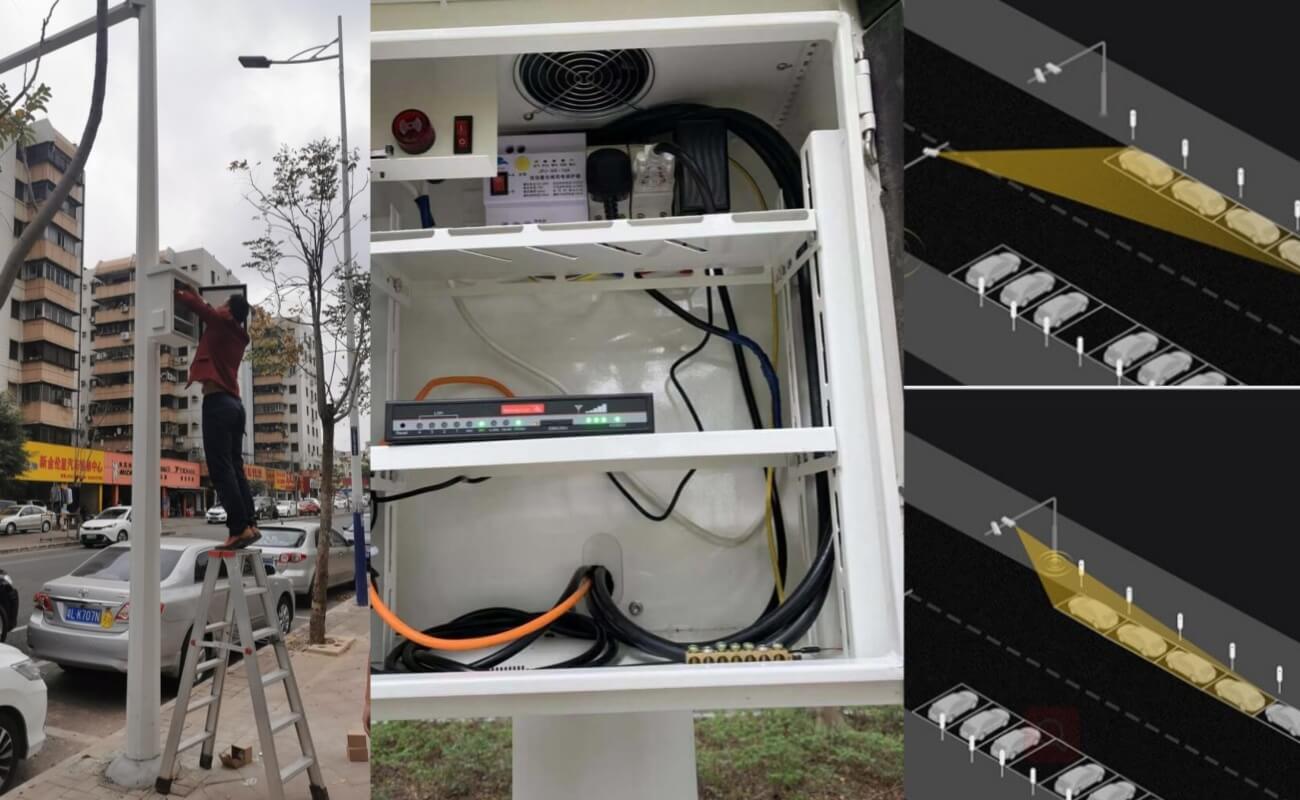
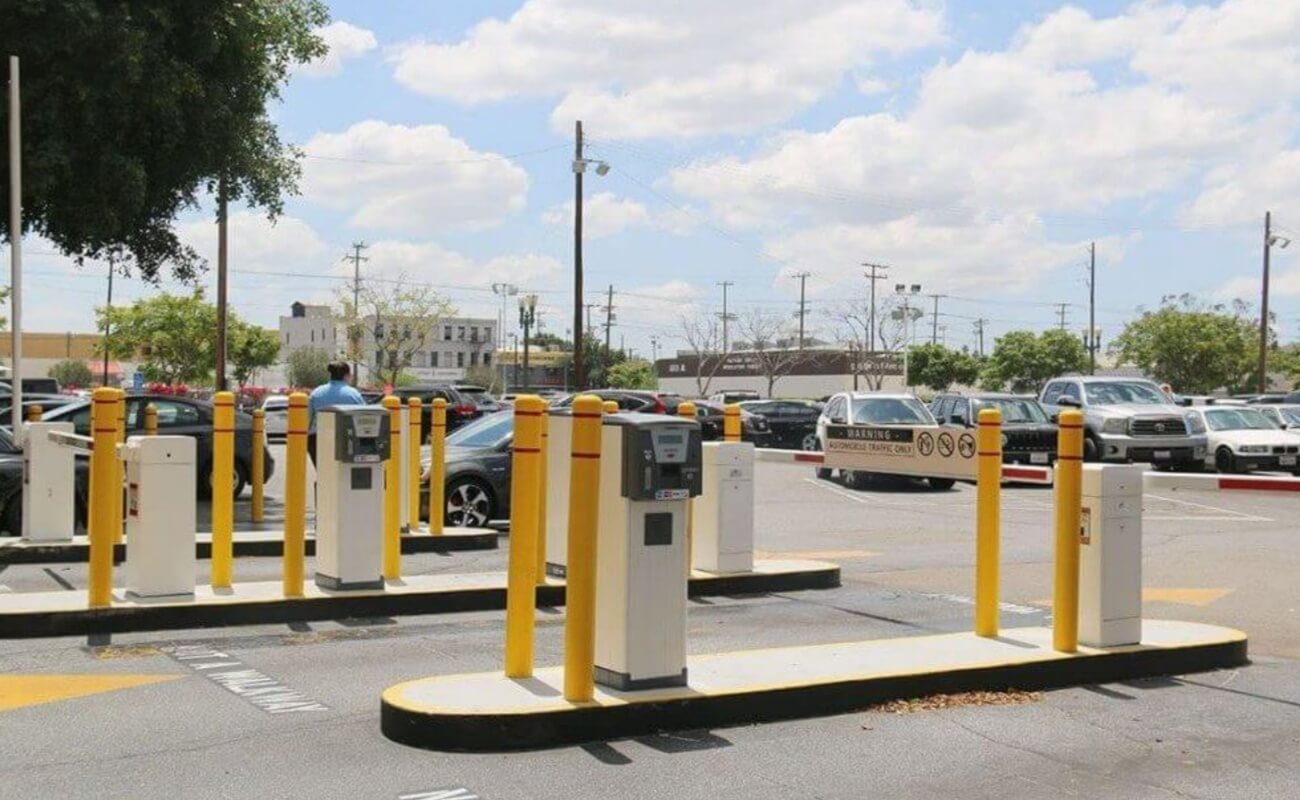
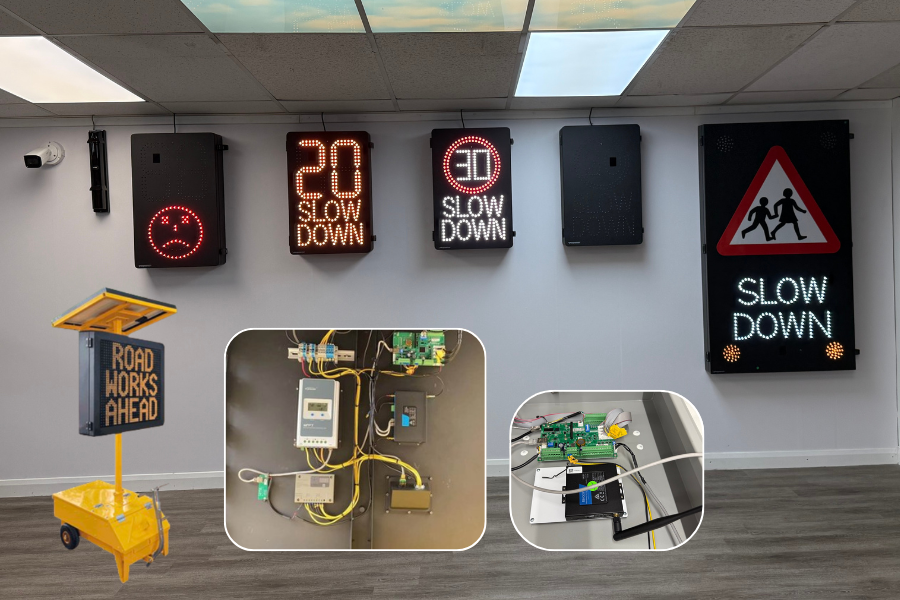
Mass vehicle arrivals around stadiums create heavy parking and traffic coordination pressure for every match. Smart Stadium IoT enables secure data exchange between venue parking systems and municipal traffic platforms. Buried geomagnetic and solar sensors feed real-time parking vacancy and road flow data to industrial gateways. Gateways aggregate encrypted data for traffic signs and venue digital signs, easing congestion, smoothing visitor arrivals and boosting parking utilization.
The connectivity requirement: Parking sensors are often deployed outdoors across large areas with limited wired infrastructure. They require low-power, long-range connectivity—typically LoRa or NB-IoT—aggregated through industrial gateways that provide cellular backhaul. These gateways must operate reliably across wide temperature ranges and withstand exposure to weather, dust, and vibration.
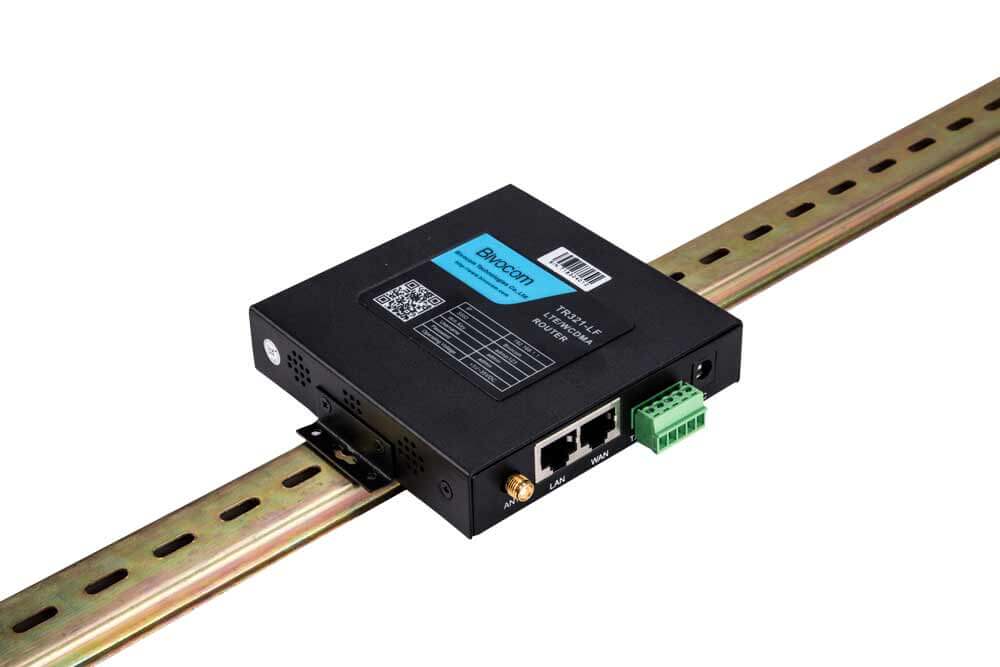
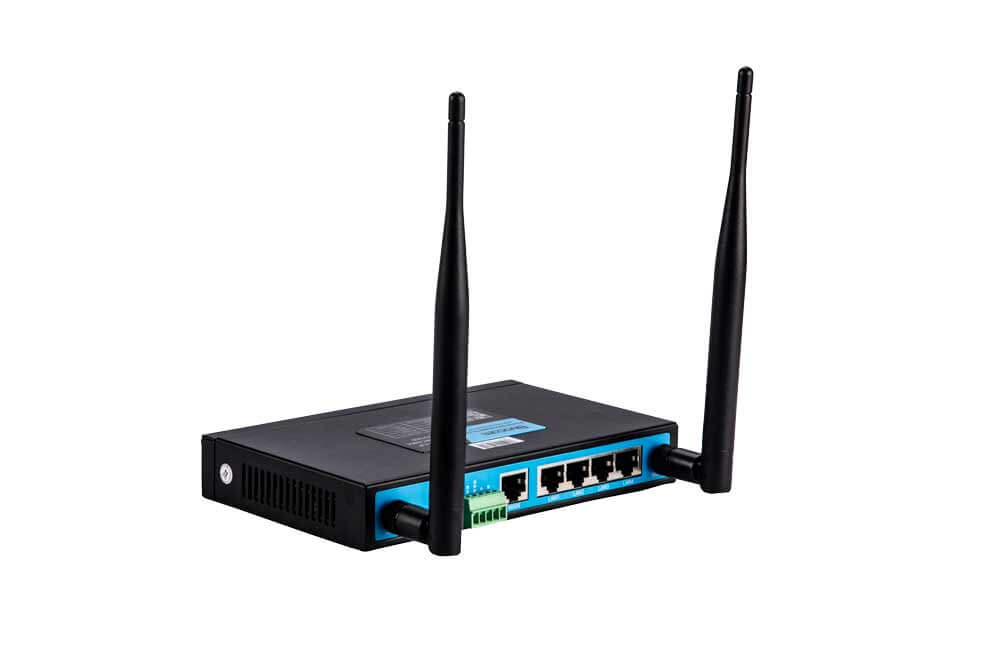
Relevant industrial solution: The Bivocom TR321 Router integrates with solar-powered sensors for real-time parking availability monitoring. Its low-power design and solar compatibility enable cost-effective, off-grid operation, with IP30 protection and a -35°C to +75°C operating range. For license plate recognition at parking entrances, the TR341 4G IoT Router delivers high data throughput to support multiple cameras, with compact design and industrial-grade durability for outdoor deployment.
Security Monitoring and Crowd Management
Stadium security operations rely on a dense network of IP cameras, crowd density sensors, Bluetooth beacons, and access control systems. These devices generate continuous streams of video and telemetry data that must be processed and analyzed in near-real-time to detect anomalies, predict congestion, and coordinate emergency responses.
The connectivity requirement: Security systems demand low-latency, high-bandwidth connectivity with built-in redundancy. IP cameras require sustained throughput for high-definition video streaming. Crowd sensors need reliable, low-power connectivity for continuous occupancy reporting. All devices must operate within a secure network architecture that prevents unauthorized access.
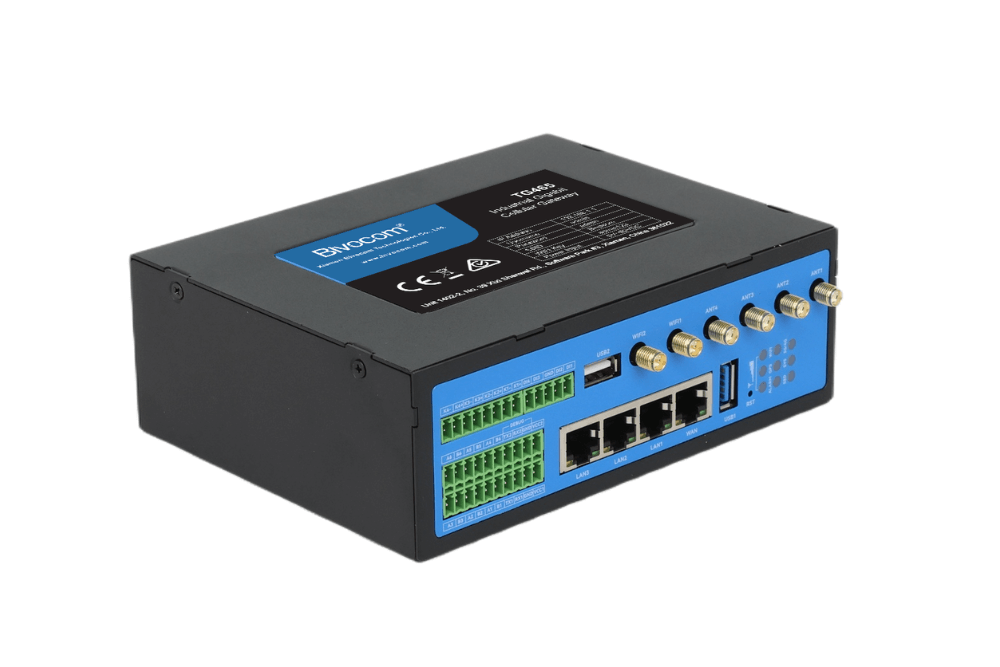
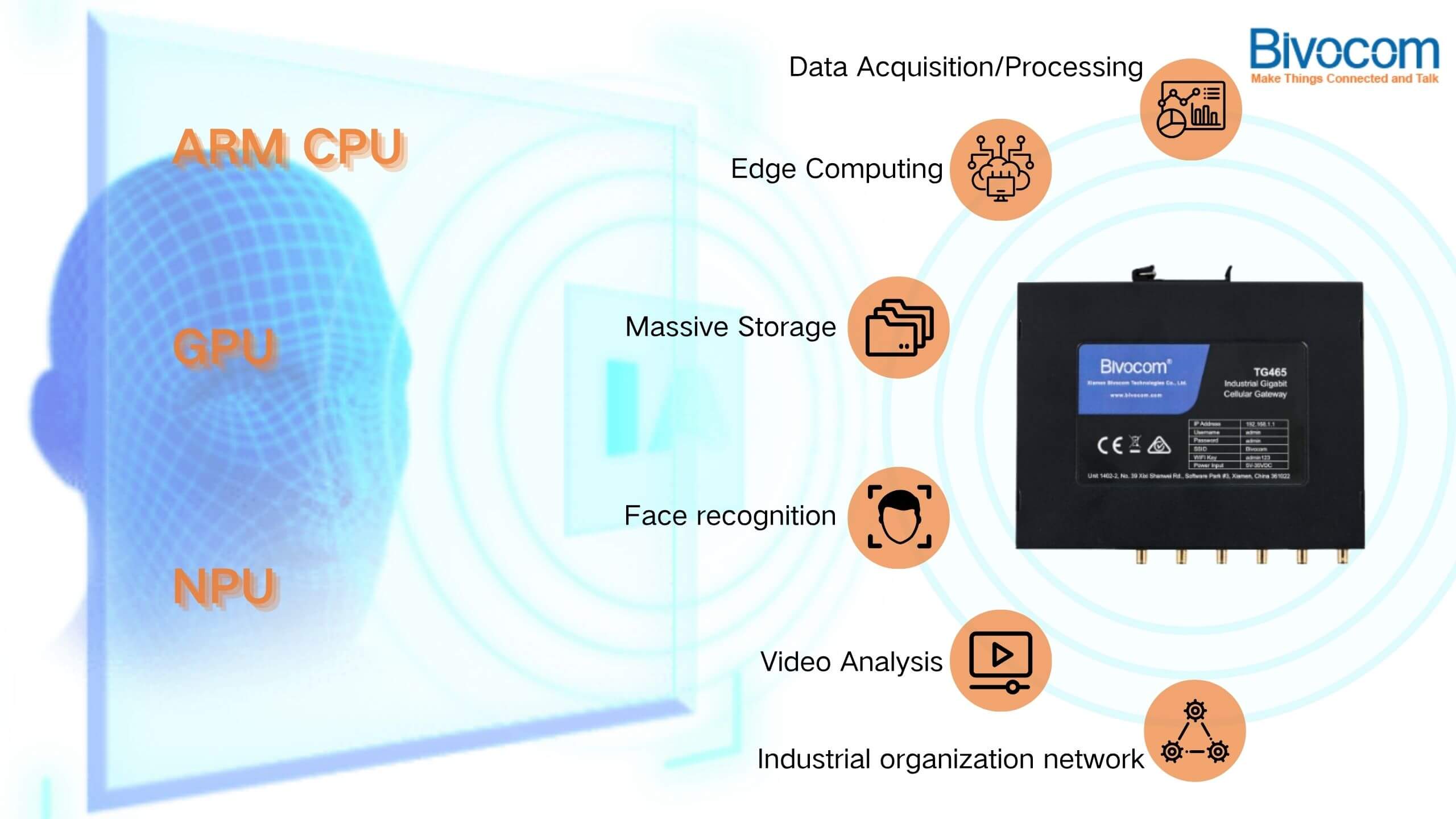
Relevant industrial solution: The Bivocom TG465 5G Edge AI Gateway is a programmable edge intelligence hub built on a quad-core processor with an integrated NPU (up to 1 TOPS). It runs Bivocom OS, Ubuntu, or OpenWrt Linux, supports Docker, Python and C/C++.
Global Media Broadcast Network
International media crews require secure, interruption-free transmission channels for exclusive match footage. The communication standards established via smart stadium IoT fit both fixed media offices and mobile broadcast trucks seamlessly.
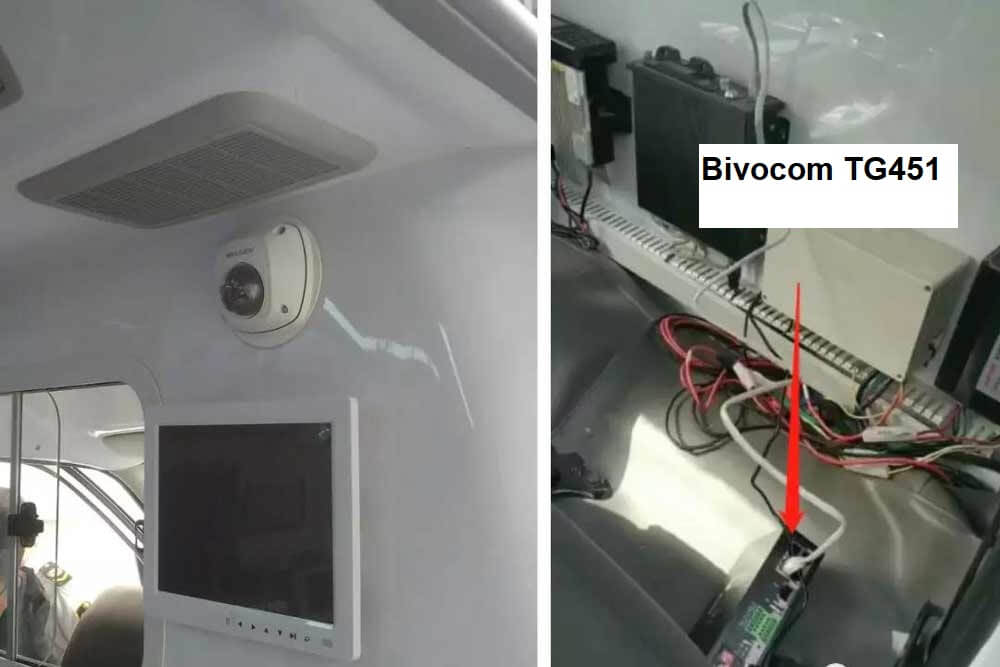
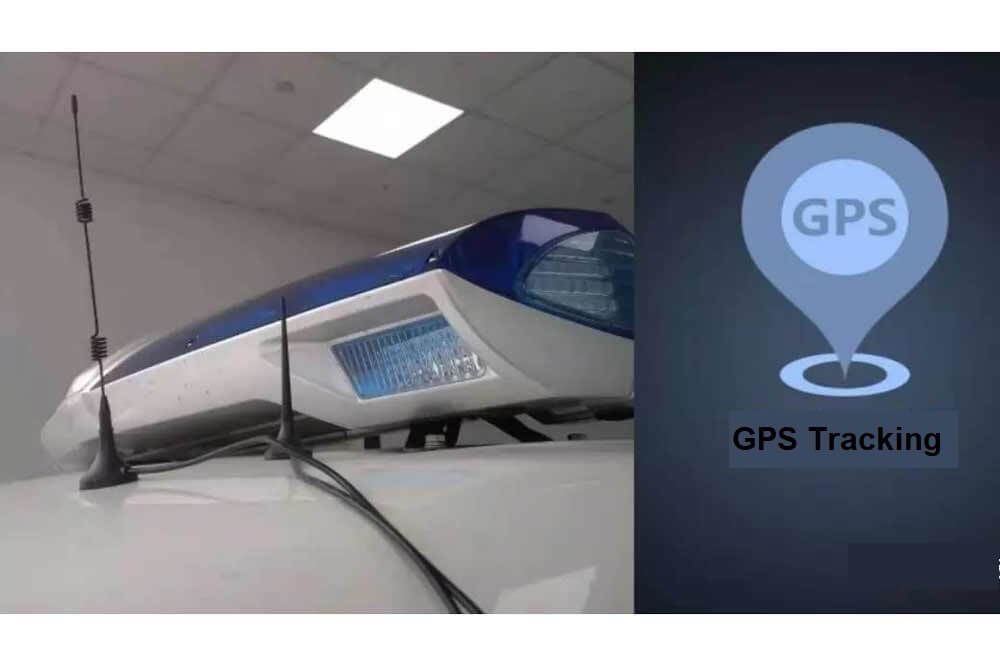
The connectivity requirement: Mobile production vehicles need rugged, compact routers with shock-resistant casings and wide-voltage power supply designs. They must aggregate bandwidth from multiple links to support steady 4K live signal backhaul. Integrated encryption blocks unauthorized access to copyrighted broadcast content.
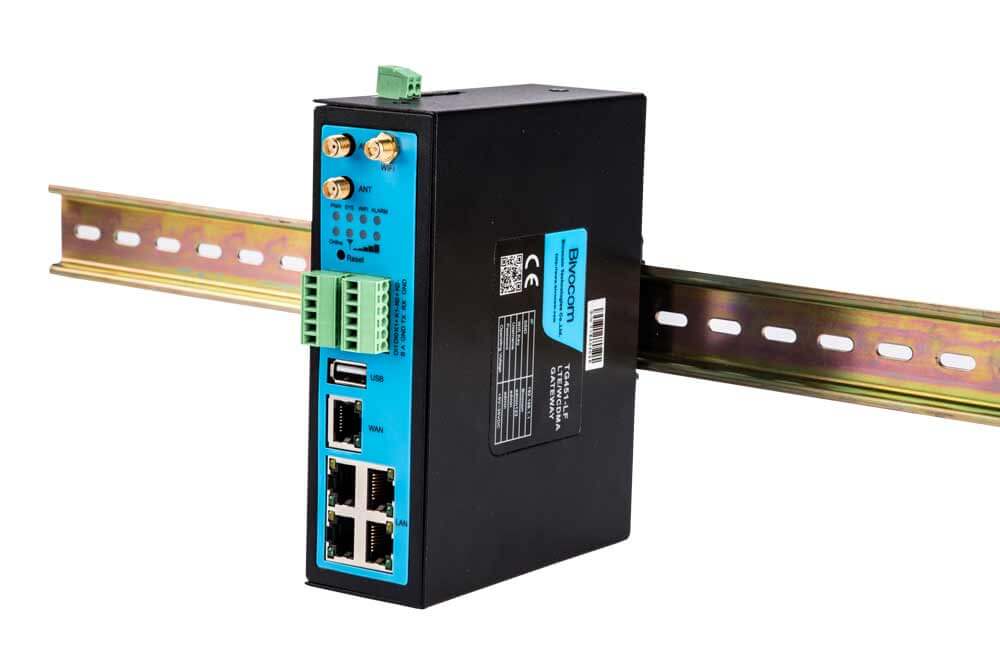
Relevant industrial solution: The compact TG451 supports dual SIM failover and sustained 4K throughput, with VPN encryption securing copyrighted content. Its rugged, wide-voltage design suits mobile production vehicles, while QoS-ready gateways can isolate broadcast, office, and venue management traffic for fixed media centers.
From Stadiums to Industry
The technologies powering smart stadium IoT are not unique to sports venues. The same industrial routers, gateways and edge platforms that interconnect sensors, controllers and safety devices are widely deployed daily across factories, energy sites, transport networks and smart city infrastructure. What the World Cup demonstrates is the scalability and reliability of industrial IoT when deployed at the highest level of operational intensity: thousands of devices, millions of data points, zero tolerance for failure.
Six industrial-grade advantages for replicating Smart Stadium IoT deployments:
- Multi‑protocol heterogeneous device access. RS232, RS485, Ethernet, LoRa, CAN, DI/DO, ADC, Relay, Wi-Fi, and Bluetooth interfaces connect legacy PLCs, sensors, and modern IP devices without full hardware replacement. Supports Modbus, BACnet MS/TP, MQTT, OPC UA, and 90% of standard industrial protocols.
- Multi‑link redundant transmission. Dual SIM auto-failover and load balancing eliminate single-point disconnection risks for mission-critical match and safety data.
- Rugged industrial hardware design. Wide temperature tolerance (-35°C to +75°C), industrial-grade protection, lightning isolation, and DIN rail mounting suit open pitches, equipment cabinets, and mobile broadcast vehicles. Hardware and software watchdogs ensure 24/7 autonomous recovery.
- Open, programmable edge computing. Bivocom OpenWRT‑based Linux/ Ubuntu with Python, C/C++, Node‑RED, and Docker. Seamless integration with leading IoT platforms—ThingsBoard, N3uron, AUTOSOL, and AWS IoT Core—streamlines deployment from device connectivity to data visualization.
- Cross‑site remote operations and maintenance. Unified cloud management platform supports batch configuration, remote OTA upgrades, and real‑time fault alerts for geographically separated stadium clusters.
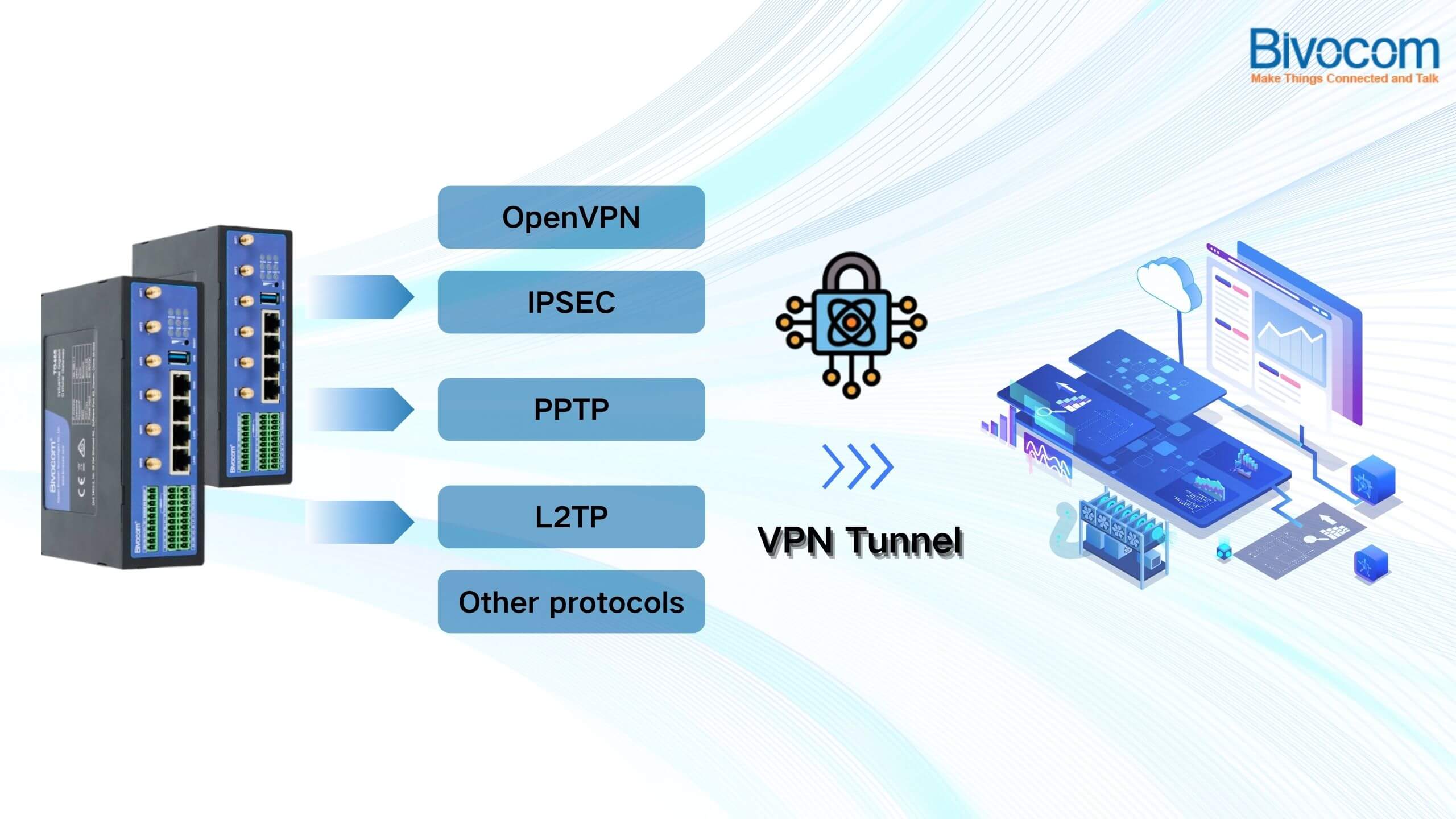
- Full‑stack data security protection. Embedded firewalls, multi‑type VPN tunnels (OpenVPN, IPsec, Tailscale, L2TP, PPTP). And hardware encryption secure sensitive match, visitor, and broadcast data during cross‑regional transmission.
About Bivocom
Smart stadium IoT sets a replicable industrial digital benchmark for large international sporting events. With over 11 years of IoT and M2M expertise across 90+ countries, Bivocom delivers industrial-grade wireless solutions—including GNSS/LoRa/5G routers, gateways, and RTUs, IoT platforms, and scenario-specific sensors. That form the connectivity backbone for energy, water utilities, smart cities, industrial automation, and agriculture. R&D remains at the core of our engineering DNA, driving continuous innovation in edge computing, protocol translation, and platform integration to meet the most demanding field conditions. Whether you are building a smart stadium, a remote oilfield monitoring system, or a factory-wide IoT deployment, the connectivity challenge is the same. And Bivocom delivers the industrial-grade reliability that makes smart infrastructure work.
- End-to-end solution: From device connectivity to IoT platform integration and data visualization.
- OEM/ODM customization: Tailored hardware, firmware, and software to meet specific project needs.
- Global deployment and local support: Regional certifications, multi-carrier compatibility, and responsive technical assistance.
-on-Bivocom-TG465-IoT-Edge-AI-Gateway-with-Ubuntu-768x512.png "Install Ollama & Llama (LLM, large language model)) on Bivocom TG465 IoT Edge AI Gateway with Ubuntu")


Comment